

Maddy summaryHR 7 prohibits federal funds from being used for abortions or health insurance plans covering abortion, with exceptions for pregnancies resulting from rape, incest, or when a woman's life is endangered. It blocks federal premium tax credits under the Affordable Care Act for health plans covering abortion (except in specified cases) and requires clear disclosure of abortion coverage and related surcharges in plan materials. The bill allows individuals or employers to purchase separate abortion coverage using non-federal funds, such as out-of-pocket payments, without affecting federal subsidies. It directly affects federal health programs, ACA marketplace plans, and health insurance issuers offering coverage that includes abortion services.
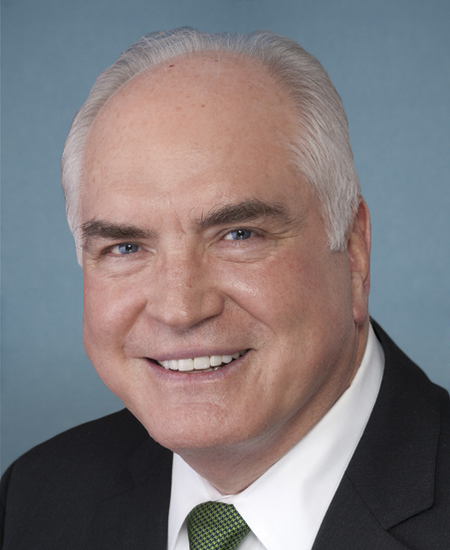
Rep. Mike Kelly
Sponsored bills
Maddy summaryThis bill requires the Treasury Secretary to regularly report to Congress about foreign countries that impose taxes on U.S. businesses or individuals considered unfair (extraterritorial or discriminatory taxes). For countries identified in these reports, it authorizes the U.S. to increase tax rates on income and withholdings from those countries, starting at 5% and increasing up to 20% over time. The bill also allows the U.S. to prohibit federal government purchases from entities in those countries and to consider these tax policies when negotiating tax treaties or trade agreements. It would directly affect U.S. businesses and individuals doing business with countries that have these tax policies, as well as those countries' businesses operating in the U.S.
Chiropractic Medicare Coverage Modernization Act of 2025 This bill expands Medicare coverage of chiropractic services to include all services provided by chiropractors, rather than only subluxation corrections through manual manipulation of the spine.
This bill increases the annual limit on the tax credit for qualified railroad track maintenance expenses (also referred to as the short line railroad tax credit) and expands eligibility for claiming the credit. Under current law, the tax credit is limited each tax year to $3,500 multiplied by the sum of the number of miles of railroad track owned or leased by the taxpayer (miles owned or leased) and the number of railroad track miles assigned to the taxpayer by a Class II or III railroad (miles assigned). This bill increases the annual limit to $6,100 multiplied by the sum of miles owned or leased and miles assigned. The $6,100 amount used in the calculation of the tax credit limit is adjusted for inflation for tax years beginning after 2025. The bill also expands eligibility for the tax credit to include gross expenses for maintaining railroad tracks owned or leased as of January 1, 2024. Under current law, the tax credit is limited to gross expenses for maintaining railroad tracks owned or leased as of January 1, 2015.
Maddy summaryThis bill codifies qualified immunity standards for law enforcement officers under federal law. It specifies that individual officers cannot be held liable in civil suits if they demonstrate either that the constitutional right at issue was not clearly established at the time of the incident, or that a prior court ruling already confirmed the conduct was lawful. Local government agencies also cannot be held liable if the officer is found not liable under these standards and was acting within their job duties. The law applies to all federal, state, tribal, and local officers with arrest powers, including police officers. The changes would take effect 180 days after enactment.
Maddy summaryHR 524, the "NO GOTION Act," blocks U.S. green energy tax credits for companies tied to specific countries. It amends tax law to deny benefits under sections like 30C, 45, and 48 to any "disqualified company" - defined as entities created in, controlled by, or linked to China, Russia, Iran, or North Korea. The law directly affects corporations with ties to these nations that seek federal tax incentives for clean energy projects. The policy takes effect for tax years after the bill's enactment, removing eligibility for these companies without altering other tax rules.
Maddy summaryThis bill creates special tax rules for certain Taiwanese residents with income from U.S. sources, primarily addressing double taxation concerns. It reduces withholding tax rates on interest, dividends, and royalties from 30% to 10% (or 15% for certain dividends) for qualified Taiwanese residents, and eliminates tax on certain wages paid to Taiwanese workers in the U.S. It also sets a $30,000 annual limit on tax-free income from entertainment or athletic activities. To qualify, individuals must meet specific residency and ownership criteria, and the bill requires reciprocal tax benefits from Taiwan before taking effect. This legislation is designed to facilitate economic activity between the U.S. and Taiwan without requiring a formal tax treaty.
Maddy summaryHR 404, the "Hearing Protection Act," reclassifies firearm silencers (devices that reduce gunfire noise) as firearms for federal tax and regulatory purposes. It imposes a 10% federal tax on silencers, requires the destruction of all existing federal silencer registration records within one year, and preempts state laws that tax or regulate silencers. The bill clarifies that silencers are treated as firearms under federal law, including for licensing and marking requirements, and defines "firearm silencer" to include specific components. Note: The bill’s title is misleading - it addresses firearm silencer regulation, not hearing protection for people.
Healthcare Freedom and Choice Act This bill nullifies a rule regarding short-term, limited-duration health insurance plans. The rule was promulgated by the Internal Revenue Service, Employee Benefits Security Administration, and Department of Health and Human Services; is titled Short-Term, Limited-Duration Insurance and Independent, Noncoordinated Excepted Benefits Coverage ; and was published April 3, 2024. Short-term, limited-duration health insurance plans are plans that may only offer coverage for a limited amount of time and are exempt from the market requirements of the Patient Protection and Affordable Care Act (e.g., coverage of individuals with preexisting conditions). The rule limits the length of the initial contract period for such a plan to no more than three months and, taking into account any renewals or extensions, the maximum coverage period to no more than four months. The rule also includes within the maximum renewal period limitation a new plan sold by the same issuer, or any issuer that is a member of the same controlled group, to the same policyholder within a 12-month period. Regulations in effect prior to the rule this bill nullifies permitted short-term, limited-duration health insurance plans with an initial contract period of fewer than 12 months and a maximum coverage period of up to 36 months, including renewals and extensions.
Maddy summaryHR 332, the Travel Trailer and Camper Tax Parity Act, would amend the tax code to allow business owners to claim a tax deduction for financing travel trailers and campers used for recreation. Specifically, it adds these vehicles to the definition of "floor plan financing" by clarifying that trailers/campers designed for temporary living (recreational, camping, or seasonal use) qualify, if towed or attached to a motor vehicle. This change directly affects small businesses and owners who finance such vehicles for commercial use, aligning their tax treatment with other similar vehicles. The provision would take effect for tax years beginning after December 31, 2024.