

Maddy summaryThis bill requires the President to provide Congress with a 15-day written notice before pausing, delaying, or suspending U.S. arms shipments to Israel, including detailed justification and impact analysis. It establishes strict congressional review periods: 15 days for initial review, plus additional 10-12 day windows if Congress introduces a disapproval resolution, effectively giving lawmakers significant power to block such pauses. The bill directly affects the President and the White House by restricting unilateral decisions on military aid to Israel, specifically targeting delays like the May 2024 pause on bomb shipments. Key provisions define "covered defense articles" as weapons under existing export laws and mandate transparency about funding, end users, and potential impacts on Israel’s military edge.
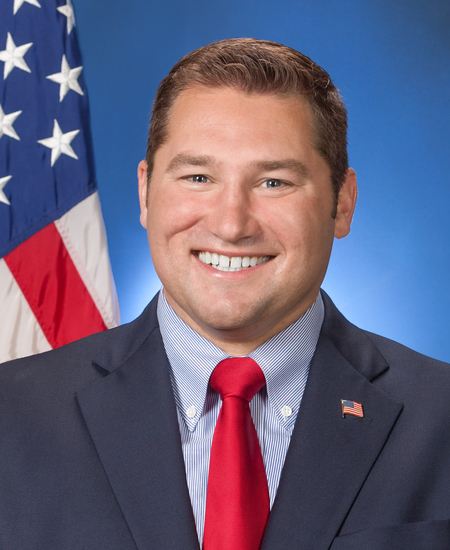
Rep. Guy Reschenthaler
Sponsored bills
Maddy summaryThis bill requires the U.S. Department of Defense and State Department to immediately deliver all previously approved military equipment and services to Israel within 15 days, reversing any pauses on arms transfers. It prohibits using federal funds to withhold, halt, or cancel defense article deliveries to Israel and mandates that unobligated security assistance funds for Israel must be spent by the end of 30 days. The bill also requires monthly reports to Congress detailing all security assistance provided to Israel since October 7, 2023, including specific items delivered and funding sources. The law directly affects U.S. agencies responsible for military aid and Israel as the recipient of the security assistance.
Maddy summaryThis bill amends the Law Enforcement Officers Safety Act (LEOSA) to expand where current and retired law enforcement officers can carry concealed firearms. It specifically allows qualified officers to carry in Federal facilities like post offices and courthouses (previously restricted), clarifies they may carry on public property and transportation, and updates firearms training requirements to accept certification from any state-certified instructor. The key change requires officers to meet recent firearms training standards (using flexible state-based criteria), rather than relying solely on their former agency's standards. This directly affects retired officers seeking to carry in more public spaces and federal buildings without needing prior agency certification.
Maddy summaryHR 8421 would abolish the Federal Reserve Board of Governors and all Federal Reserve Banks, ending the U.S. central banking system as currently structured. The bill requires a one-year wind-down period during which the Fed Chairman manages employee compensation, asset liquidation, and debt settlement, with all assets transferred to the Treasury and liabilities assumed by the Secretary of the Treasury. It repeals the Federal Reserve Act and mandates a joint Treasury-OMB report to Congress within 18 months detailing implementation progress. This bill directly affects the Federal Reserve System's operations and structure, not the general public or financial markets.
Maddy summaryHR 7581 requires the Attorney General to submit three new reports within 270 days of enactment, focusing on data gaps affecting law enforcement safety. The bill mandates a detailed analysis of violent attacks against officers (including ambushes), non-criminal aggressive incidents not currently reported, and mental health impacts from such events. These reports will assess current data collection systems, training effectiveness, resource availability, and disparities in reporting across federal, state, and local law enforcement. The goal is to inform better prevention strategies and resource allocation for officer safety and wellness, without creating new funding or programs.
Maddy summaryThis bill requires Medicare to pay separately for certain high-cost diagnostic drugs used in nuclear imaging (like those for cancer detection) starting in 2024. It applies to drugs with a daily cost of $500 or more (adjusted annually), ensuring they are not bundled with other services. Payments will be based on either the drug's average sales price or wholesale cost, with adjustments to keep overall Medicare spending unchanged. This directly affects Medicare Part B providers (hospitals, clinics) and beneficiaries receiving these specific diagnostic treatments.
Maddy summaryHJRES 143 is a congressional resolution seeking to block a Department of Labor rule that would amend specific exemptions for retirement investment transactions. The bill targets a rule (published April 25, 2024) that would change how retirement funds can invest, particularly affecting retirement plan providers and fiduciaries managing employee savings. It directs Congress to disapprove the rule under a specific federal law, meaning the rule would not take effect if passed. This is a procedural step to halt the rule's implementation, not a new policy change.
Maddy summaryHJRES 140 is a resolution requesting Congress to disapprove a Department of Labor rule that amended Prohibited Transaction Exemption 2020-02. The rule, published in the Federal Register on April 25, 2024, would have changed how retirement plan fiduciaries can engage in certain investment transactions, specifically affecting retirement account providers and administrators. If approved, this resolution would block the rule from taking effect, directly impacting entities managing retirement funds that rely on the exemption framework. The bill uses the statutory disapproval process under Chapter 8 of Title 5, U.S. Code, to halt the rule’s implementation.
Maddy summaryH.J.Res. 141 is a congressional resolution disapproving a Department of Labor rule (89 Fed. Reg. 32302, April 25, 2024) that amended Prohibited Transaction Exemption 84-24. This rule would have changed regulations governing retirement investment transactions, specifically affecting how financial institutions and retirement plan administrators handle certain transactions. The resolution, if passed, would block the rule from taking effect by invoking the disapproval process under Title 5 of the U.S. Code. It directly impacts retirement plan providers and financial firms that rely on this exemption for investment activities. The bill does not create new policy but seeks to prevent the implementation of the specific Department of Labor rule.
Maddy summaryHRES 1210 is a non-binding House resolution condemning the Biden administration's border policies as the cause of a crisis that burdens law enforcement. It claims these policies led to record illegal border crossings, security threats (including encounters with individuals on terrorist watch lists), and increased crime involving migrants, citing specific incidents like assaults on officers and violent crimes. The resolution urges the administration and local officials to support law enforcement and recognizes the mental, physical, and psychological stress faced by officers. As a symbolic resolution, it does not enact legal changes but expresses the House's position on border policy.