

Maddy summaryThis bill creates a new occupational category (code 31-1123) within the federal Standard Occupational Classification system specifically for direct support professionals (DSPs) who assist people with intellectual or developmental disabilities. It directly affects DSPs, state agencies, and federal data collectors by reclassifying their work - currently grouped under home health aides - into a distinct category. The key mechanism is revising the SOC system to better track DSP workforce data, address high turnover rates (43% nationally), and recognize their unique role in promoting clients' independence and community inclusion. This change aims to improve data accuracy for addressing staffing challenges, without altering service delivery or benefits.
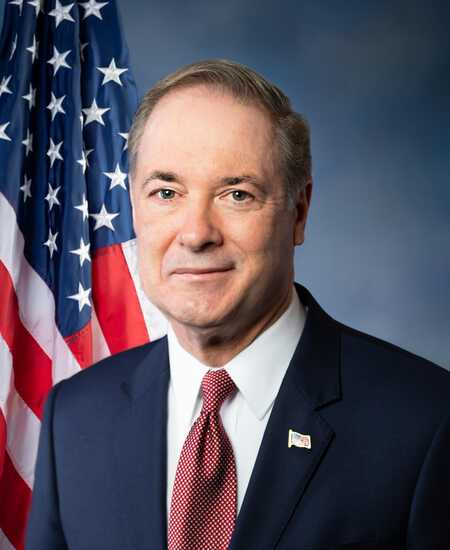
Rep. John Joyce
Sponsored bills
Maddy summaryThis bill (HJRES 163) is a congressional disapproval resolution targeting an Environmental Protection Agency (EPA) rule finalized on May 9, 2024. The EPA rule established new emissions standards for greenhouse gases from fossil fuel power plants (both new and existing) and repealed a previous rule called the Affordable Clean Energy Rule. The resolution would block this EPA rule from taking effect by invoking the Congressional Review Act (Chapter 8 of Title 5, U.S. Code). If passed, it would prevent the EPA rule from being enforced, directly affecting fossil fuel power plant operators and the EPA’s regulatory authority over emissions.
Maddy summaryHJRES 133 is a congressional resolution seeking to block an Environmental Protection Agency (EPA) rule titled "Greenhouse Gas Emissions Standards for Heavy-Duty Vehicles-Phase 3." This rule, published in the Federal Register on April 22, 2024, established new emissions requirements for large trucks and commercial vehicles. The resolution, if passed, would prevent the EPA rule from taking effect by formally disapproving it under standard congressional review procedures. The measure directly affects the EPA’s regulatory authority and vehicle manufacturers who would have been required to comply with the proposed standards.
Maddy summaryH.J. Res. 117 is a joint resolution that would disapprove an Environmental Protection Agency (EPA) rule concerning the reconsideration of National Ambient Air Quality Standards for particulate matter. The EPA rule, published on March 6, 2024, was part of the agency’s process to review these standards, which set limits for harmful air pollutants. This resolution invokes a congressional disapproval procedure under federal law to block the rule from taking effect. If enacted, the rule would have no force or effect, preserving the existing air quality standards for particulate matter.
Maddy summaryThis bill expands online privacy protections under the Children's Online Privacy Protection Act to cover teens aged 12-17, in addition to children under 13. It requires website and app operators to obtain verifiable consent from parents for children and from teens themselves before collecting personal information. The bill restricts operators from using collected data for individual-specific advertising to children or teens and mandates clear notices about data practices. Operators must provide users with the right to access, delete, and correct personal information they've collected. These requirements apply to websites, online services, and mobile applications that collect information from children or teens or have actual knowledge a user is a child or teen.
Maddy summaryThis bill directs the Joint Committee on the Library to procure a statue of Benjamin Franklin and place it in the U.S. Capitol. The committee must secure the statue within two years of the bill's enactment and install it in a public-accessible location by January 1, 2026, for viewing during Capitol Visitor Center guided tours. It is a procedural measure with no policy changes or direct impact on constituents or legislation.
Maddy summaryThis bill modifies Medicaid and CHIP rules to let eligible out-of-state healthcare providers enroll without extra state screening. It applies to providers already in Medicare or their home state program, with low fraud risk, serving children under 21 with complex medical conditions. Providers would receive 5 years of enrollment under this streamlined process, eliminating state-level barriers. The change directly affects children seeking specialized care across state lines and the providers who serve them.
Maddy summaryHJRES 204 is a congressional disapproval resolution targeting an EPA rule that would have reclassified certain large pollution sources (like industrial facilities) as smaller, less-regulated "area sources" under the Clean Air Act. If passed, this resolution would block the EPA's September 10, 2024, rule (published in the Federal Register) from taking effect, preventing the regulatory change. The resolution directly affects the EPA's authority to implement this specific reclassification, which would have altered how certain facilities are regulated under Section 112 of the Clean Air Act. It does not create new policy but halts an existing EPA rule through a procedural congressional action.
Maddy summaryHR 705, the Veterans 2nd Amendment Protection Act, prohibits the Department of Veterans Affairs (VA) from automatically sending veterans' personal information to the national background check system solely because a fiduciary (like a guardian) manages their benefits. It specifically blocks the VA from sharing this data with the Justice Department without a court order finding the veteran a danger to themselves or others. This directly affects veterans who have a fiduciary appointed due to incapacity but are not deemed dangerous, preventing automatic barriers to firearm purchases based only on their fiduciary status. The bill amends 38 U.S.C. § 5501B to require judicial authorization before such data can be transmitted.
Maddy summaryThis resolution aims to block a rule issued by the National Highway Traffic Safety Administration (NHTSA) that sets new fuel efficiency standards for passenger cars, light trucks (starting in 2027), and heavy-duty pickup trucks/vans (starting in 2030). If passed, it would prevent this specific rule from taking effect by disapproving it under a congressional review process. The rule directly affects vehicle manufacturers by requiring them to meet these updated fuel economy targets for future model years. This is a procedural resolution, not a new law, focused solely on halting the implementation of the existing NHTSA rule.