

Maddy summaryThis bill prevents state or local governments from banning or restricting energy connections (like installation, modification, or access) based on the type or source of energy, such as electricity, natural gas, or renewable fuels. It directly affects consumers choosing energy providers and energy companies seeking to offer services. The key provision prohibits local laws, regulations, or policies that limit energy services sold in interstate commerce, covering all energy types listed in the bill’s definitions. It does not create new programs but limits regulatory authority at the state or local level. The law aims to ensure open access to diverse energy sources without source-based restrictions.
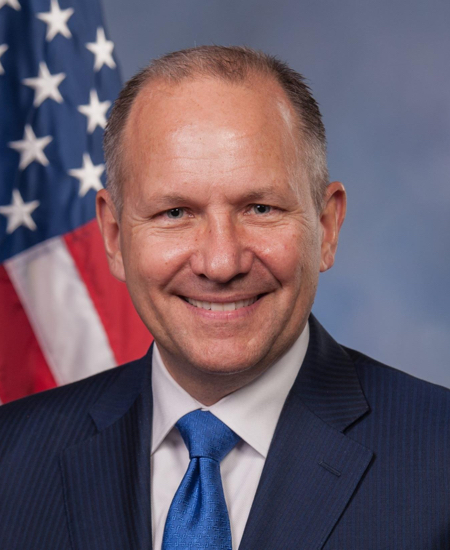
Rep. Lloyd Smucker
Sponsored bills
Maddy summaryThe CLOSE Act terminates three federal unemployment assistance programs established under the CARES Act, ending all future payments 30 days after the bill's enactment. It cancels unspent funds that were allocated for these programs, requiring states to return unused money to the federal government. This directly affects states administering the CARES Act unemployment programs but does not change current benefits for individuals already receiving assistance. The bill focuses on ending future funding and reclaiming unused resources, with no impact on existing recipients.
Maddy summaryThis bill requires states to annually submit to the federal government a list of private adoption agencies licensed by the state, in good standing, and tax-exempt under IRS Section 501(c)(3). The federal Children’s Bureau will compile and publish this information publicly. States that fail to submit the required list risk losing federal incentive payments for adoption and legal guardianship programs. The bill also mandates annual reports to Congress identifying any state-licensed agency not included on the national list and any disciplinary actions taken against such agencies.
Maddy summaryHR 7118, the Genomic Answers for Children’s Health Act of 2026, requires Medicaid to cover whole genome and whole exome sequencing for Medicaid-eligible children with specific medical needs, including genetic disorders, rare diseases, congenital anomalies, developmental delays, or intellectual disabilities. It mandates that this testing be ordered as a first-tier test by a physician and paid separately, not bundled with other services. The bill also requires the Department of Health and Human Services to convene stakeholders, conduct outreach to raise awareness, and publish a report within two years detailing state payment rates and usage data. Additionally, it directs a Comptroller General report assessing implementation barriers, workforce challenges, and payment alignment with market costs. The changes take effect January 1, 2027.
Maddy summaryHR 909, the Crime Victims Fund Stabilization Act of 2025, modifies how funds from the False Claims Act are deposited into the Crime Victims Fund. It specifies that from 2025 through 2029, certain False Claims Act proceeds (specifically those for qui tam plaintiff payments and government damage reimbursements) cannot be deposited into the fund. This change directly affects the composition of the Crime Victims Fund by excluding these specific revenue streams during the specified period. The bill does not create new benefits or alter victim services; it only adjusts fund allocation rules for existing False Claims Act revenues.
Maddy summaryHR 6997, the Community Passport Services Access Act, allows qualified public libraries to become official passport acceptance facilities and collect the standard execution fee for passport applications. It directly affects non-profit public libraries meeting U.S. State Department regulations, enabling them to serve as passport application sites - expanding access beyond current locations like post offices. Key provisions authorize new libraries to apply for this role and automatically authorize existing libraries that previously accepted passports. The bill also updates the Passport Act to formally include public libraries in the list of authorized acceptance locations. This creates a concrete policy change in where passport services are available to the public.
This resolution expresses the sense of the House of Representatives that (1) Congress should adopt a fiscal target to reduce the federal budget deficit to 3% of gross domestic product or less as soon as possible and no later than the end of FY2030; and (2) after the target is achieved, Congress should continue to pursue further deficit reduction with the goal of achieving a balanced federal budget.
Maddy summaryHR 6972 (Reporting Accountability and Abuse Prevention Act of 2026) requires health centers receiving federal funds under Title X (which supports family planning services) to comply with all state and local laws requiring reporting of child abuse, sexual abuse, intimate partner violence, and human trafficking. It mandates that these centers create written compliance plans, provide annual training for staff on reporting obligations and safety protocols, screen minors for potential abuse when presenting with STIs or pregnancy, and document all reports. Centers must maintain detailed records of minor patients and reports, and allow federal officials to review these records. Failure to comply can result in corrective action, repayment of funds, or a 36-month ban on future Title X funding for repeat violations.
Maddy summaryThis bill directs the National Cancer Institute to review stomach cancer incidence, risk factors (like H. pylori infection), screening effectiveness, and current awareness efforts among high-risk groups and the public. It also requires the Defense Department to study stomach cancer rates, military-specific risk factors (including burn pit exposure and H. pylori), and disparities among active-duty service members and veterans. Both reviews must be completed within 18 months of enactment, with reports to Congress containing recommendations for improved screening guidelines, prevention strategies, and military health system protocols. The findings aim to inform future public health actions targeting early detection and reducing disparities in stomach cancer outcomes.
Maddy summaryHR 6895, the Debt Solution and Accountability Act, requires the Treasury Secretary to submit detailed reports to Congress before increasing the debt limit. These reports must include current and projected debt levels, drivers of future debt, plans to reduce debt growth (short, medium, and long-term), and analyses of how debt limit actions affect government spending, debt service, and the dollar's global role. The bill also mandates a progress report within 180 days after any debt limit increase or suspension, and requires public posting of all reports on Treasury's website for six months. Additionally, it grants congressional committees specific access to Treasury financial data upon request, including cash flow details and debt transaction information. The bill focuses solely on transparency and reporting requirements, without altering debt policy or spending levels.