

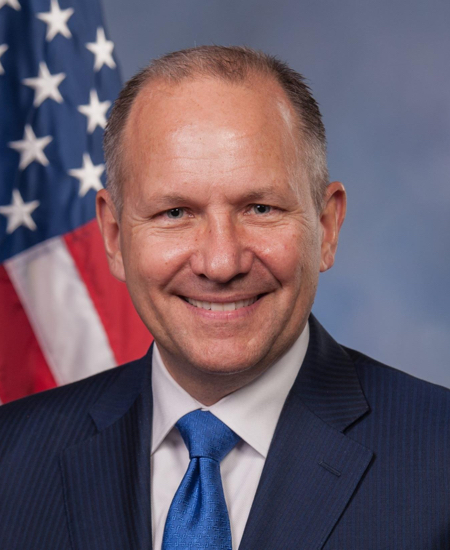
Photo of Lloyd Smucker
R United States House · District 11 · Pennsylvania On the 2026 ballot

Rep. Lloyd Smucker

Compare
Total votes
2,837
all sessions
Attendance
98%
43 missed
Near the chamber average
With party
96%
of cast votes
Higher than 81% of chamber peers
Bipartisan score
2%
crosses aisle rarely
Lower than 82% of chamber peers
Sponsored
644
bills & resolutions
Lower than 81% of chamber peers
Committees
6
assignments
644 bills and resolutions

Sponsored bills

Total
644
Primary
77
Co-sponsor
567
This page
644
matching current filters
Co-sponsor HJRES 44
Failed · Indiana House · Co-sponsor
Providing for congressional disapproval under chapter 8 of title 5, United States Code, of the rule submitted by the Bureau of Alcohol, Tobacco, Firearms, and Explosives relating to "Factoring Criteria for Firearms with Attached 'Stabilizing Braces'".

Maddy summaryHJRES 44 is a congressional resolution seeking to block a 2021 rule by the Bureau of Alcohol, Tobacco, Firearms, and Explosives (ATF). The rule classified firearms with stabilizing braces as "short-barreled rifles," which would have required additional licensing and regulation. This resolution uses a specific legal process (under Title 5, U.S. Code) to formally disapprove the ATF rule, meaning the rule would no longer be in effect. It directly affects firearm owners, manufacturers, and dealers who would have been subject to the rule’s requirements.

Failed Jun 22, 2023 1 co-sponsor
Co-sponsor HJRES 45
Vetoed · Indiana House · Co-sponsor
Providing for congressional disapproval under chapter 8 of title 5, United States Code, of the rule submitted by the Department of Education relating to "Waivers and Modifications of Federal Student Loans".

Maddy summaryHJRES 45 is a congressional disapproval resolution targeting a specific Department of Education rule about federal student loans. It seeks to block the rule implementing "One-Time Federal Student Loan Debt Relief" (including modifications to Perkins, FFEL, and Direct Loan programs) by invoking the Congressional Review Act. If passed, this resolution would nullify the rule, preventing the Department of Education from using it to modify or waive student loan obligations. The bill directly affects borrowers who might have qualified for debt relief under the targeted rule.

Vetoed Jun 21, 2023 1 co-sponsor
Co-sponsor HR 277
Passed · Indiana House · Co-sponsor
Regulations from the Executive in Need of Scrutiny Act of 2023

Maddy summaryHR 277 would require Congress to approve major federal regulations before they take effect. Major rules are defined as those with significant economic impact ($100 million+ annually), major cost increases for consumers or industries, or significant adverse effects on competition, employment, or innovation. Agencies must submit detailed information about these rules to Congress, including cost-benefit analyses, before they can take effect. Congress would have 70 session days to approve the rule with a joint resolution; if they don't act within that timeframe, the rule would not take effect. This would increase congressional oversight of federal regulations and require more detailed information about proposed rules before they become law.

Passed Jun 21, 2023 1 co-sponsor
Co-sponsor HR 3940
In committee · Indiana House · Co-sponsor
Neighborhood Homes Investment Act

Maddy summaryThe Neighborhood Homes Investment Act creates a new tax credit for developers who rehabilitate or build affordable homes in distressed communities. The credit is calculated based on the difference between rehabilitation costs and the sale price, with homes required to be sold at affordable prices to qualified homeowners with incomes up to 140% of the local median family income. The bill targets specific "qualified census tracts" defined by high poverty rates, low homeownership, and below-average home values. Developers must ensure homes are sold to qualified homeowners who use them as primary residences for at least five years, with additional safeguards to prevent program abuse and ensure fair housing practices.

In committee Jun 9, 2023 1 co-sponsor
Co-sponsor HR 3792
In committee · Indiana House · Co-sponsor
U.S.-Israel Partnership and Abraham Accords Enhancement Act of 2023

Maddy summaryHR 3792 extends U.S. security funding for Israel through 2028 (Section 3) and expands energy cooperation to include advanced nuclear technologies and carbon capture (Section 5). It requires annual reports on regional security partnerships involving Israel (Section 6) and ensures countries in the Abraham Accords can access U.S. development programs (Section 8). The bill also mandates reports on diplomatic efforts against ICC investigations targeting the U.S. and Israel (Section 10) and encourages people-to-people programs to strengthen the Abraham Accords (Sections 7, 9). These provisions directly affect Israel’s diplomatic engagement, security partnerships, and economic cooperation in the Middle East.

In committee Jun 1, 2023 1 co-sponsor
Co-sponsor HR 3127
In committee · Indiana House · Co-sponsor
SHOPP Act

Maddy summaryThe SHOPP Act (HR 3127) expands the types of healthy foods SNAP participants can buy with their benefits. It allows fresh frozen fruits and vegetables to count toward nutrition incentives year-round and adds legumes (like beans and lentils) to the list of eligible items. This directly affects SNAP recipients by increasing access to affordable, nutritious options beyond just fresh produce. The changes take effect March 6, 2024, modifying the 2008 Food, Conservation, and Energy Act.

In committee Jun 1, 2023 1 co-sponsor
Co-sponsor HR 3036
In committee · Indiana House · Co-sponsor
Increased TSP Access Act of 2023

Maddy summaryHR 3036, the Increased TSP Access Act of 2023, amends conservation program rules to expand access to third-party providers (TSPs) who offer technical assistance to farmers on conservation practices. It creates new pathways for non-Federal entities like agricultural cooperatives or professional associations to certify TSPs, streamlines certification processes (requiring Secretary review within 10 business days), and sets payment rates for TSPs equivalent to government-provided technical assistance. The bill mandates public reporting on certification numbers, payment details, and a target utilization rate for TSPs to improve conservation program delivery. It directly affects farmers participating in USDA conservation programs by increasing options for technical support and requiring transparency in how TSPs are certified and compensated.

In committee Jun 1, 2023 1 co-sponsor
Primary HR 3734
In committee · Indiana House · Lead sponsor
Essential Workers for Economic Advancement Act

Maddy summaryThe Essential Workers for Economic Advancement Act creates a new H-2C visa program for non-agricultural workers in jobs that remain unfilled after employers recruit U.S. workers. Employers must advertise positions for 30 days, pay prevailing wages, and register positions with the government before hiring H-2C workers, with a numerical cap of 65,000 positions in the first year. The bill includes worker protections against wage theft, prohibits treating workers as independent contractors, and requires employers to pay fees directly rather than deducting them from wages.

In committee May 25, 2023 0 co-sponsors
Co-sponsor HR 3662
In committee · Indiana House · Co-sponsor
Adoption Tax Credit Refundability Act of 2023

Maddy summaryThis bill makes the adoption tax credit refundable, meaning adoptive parents who claim the credit can receive a cash refund even if they owe no federal income tax. Currently, the credit is non-refundable, so any excess credit beyond taxes owed is lost. The bill redesignates the credit in tax code (from section 23 to 36C), adds new requirements for third-party affidavits to verify adoptions, and applies to tax returns filed for 2024 and later. It directly affects adoptive parents who qualify for the credit but have no tax liability.

In committee May 25, 2023 1 co-sponsor
Co-sponsor HR 3665
In committee · Indiana House · Co-sponsor
Defending American Jobs and Investment Act

Maddy summaryThis bill requires the Treasury Secretary to report quarterly on foreign countries imposing "extraterritorial" or "discriminatory" taxes targeting U.S. businesses. It mandates progressively higher tax rates (starting at 5% and increasing to 20% over time) on income and payments from foreign individuals and corporations in those countries. The U.S. government can also restrict federal procurement from such entities and consider these taxes in trade negotiations. These measures directly affect foreign businesses operating in the U.S. or conducting transactions with U.S. entities. The policy aims to counter foreign tax policies that the U.S. views as unfair under international tax norms.

In committee May 25, 2023 1 co-sponsor
Showing 351 to 360 of 644 bills
Previous 1 … 35 36 37 … 65 Next