

Maddy summaryHRES 96, the "Transparency in Federal Spending Resolution," requires that any House bill, resolution, or amendment authorizing or making appropriations must include a machine-readable table detailing program-specific funding amounts, annual breakdowns, and estimated debt servicing costs. This procedural rule change applies to all appropriations-related legislation considered by the House, directly affecting how such bills are processed. The bill itself does not alter spending levels but mandates greater disclosure of fiscal details before debate can begin. It aims to improve transparency in federal budgeting by standardizing how spending information is presented. (Note: As a procedural rule change, this summary is concise per the bill's nature.)
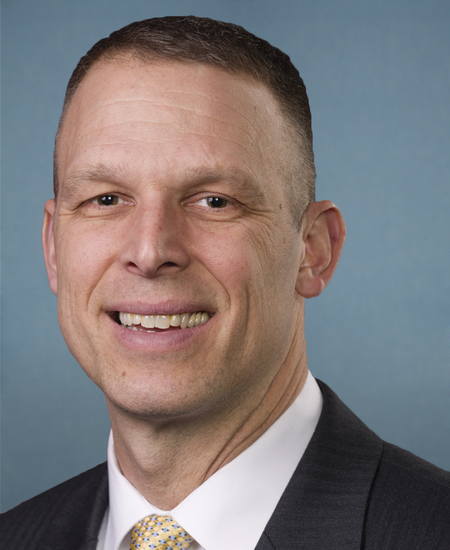
Rep. Scott Perry
Sponsored bills
Maddy summaryHR 812, titled the "Inflation Reduction Act of 2023," would repeal the Inflation Reduction Act of 2022 (Public Law 117-169) and rescind unobligated funds from that law. This bill does not establish new policy but reverses the existing 2022 legislation, halting its ongoing programs and redirecting unused funding. It directly affects the continuation of the 2022 act's provisions, including climate and healthcare initiatives, by formally terminating them. The key mechanism is the repeal of the 2022 law and the rescission of remaining unobligated balances.
Maddy summaryHR 780, the "Mobilizing Against Sanctuary Cities Act," blocks federal funding for state and local governments that refuse to share immigration information with federal authorities under existing law (8 U.S.C. 1373). It requires the Attorney General to annually identify non-compliant jurisdictions and report them to Congress, with affected areas losing all federal funding for at least one year until compliance is certified. The bill directly impacts local governments that do not cooperate with federal immigration enforcement, such as those with policies limiting information sharing. This policy change creates a direct financial penalty for non-compliance, replacing discretionary federal funding with a mandatory cutoff.
This resolution impeaches Secretary of Homeland Security Alejandro Nicholas Mayorkas for high crimes and misdemeanors related to his actions regarding border security and immigration.
Maddy summaryThis bill helps new car dealers affected by pandemic-era supply chain disruptions by changing tax rules for inventory sales. It allows dealers using LIFO accounting to treat certain sales of unsold vehicles (liquidations) between March 2020 and December 2021 as "qualified" for tax purposes. Dealers can defer recognizing income from these sales and have until 2026 to replace the sold vehicles before potential tax adjustments apply. The provision specifically targets dealers who couldn't replenish inventory during the supply chain crisis.
Maddy summaryHR 719 would prohibit employers from entering neutrality agreements with unions during organizing campaigns. It specifically bans employers from providing "organizing assistance" (such as funding or space for union activities) as part of such agreements. The bill amends labor law to define "organizing assistance" as a prohibited "thing of value" under Section 302. This directly affects employers and unions involved in unionization efforts by restricting certain forms of employer support for organizing drives.
Maddy summaryHR 720, the Davis-Bacon Repeal Act, would eliminate the Davis-Bacon wage requirements for federal construction projects. It directly affects federal contractors working on projects funded by the government, removing a longstanding rule that required them to pay prevailing wages. The bill repeals Subchapter IV of Chapter 31 in Title 40 of the U.S. Code, which established these wage standards. The repeal would take effect 30 days after enactment but would not impact existing contracts or bids outstanding on that date.
Maddy summaryHR 646, the SHORT Act, clarifies firearm definitions under federal law to exclude antique firearms and certain collector items from the "firearm" category. It removes restrictions on short-barreled rifles and shotguns used lawfully by eliminating specific prohibitions in federal law and preempts state laws imposing taxes or registration requirements on these weapons. The bill also mandates the destruction of federal records related to short-barreled rifles, shotguns, and other weapons defined under the National Firearms Act within 365 days of enactment. This directly affects owners of these specific firearms, particularly collectors and individuals possessing short-barreled weapons legally under federal law. The key mechanisms include revised definitions, federal preemption of state regulations, and record destruction requirements.
Ceasing Age-Based Trucking Restrictions Act This bill exempts drivers who transport goods from a port of entry and another place within the same state from age restrictions and other requirements that apply to federal commercial driver's licenses.
Maddy summaryThis bill would prohibit the FDA from approving new abortion medications or investigational uses of existing ones. It would restrict currently approved abortion drugs to in-person administration only in clinics, hospitals, or medical offices by certified providers who can handle complications like ectopic pregnancy or severe bleeding. The law requires detailed adverse event reporting (excluding patient identifiers) to the FDA by both manufacturers and prescribers, and mandates provider certification covering pregnancy assessment, surgical intervention capabilities, and patient safety documentation. These provisions apply directly to healthcare providers, patients seeking medication abortions, and manufacturers of abortion drugs.