

Maddy summaryThis bill removes a restriction that previously barred people in jail or prison while awaiting trial from receiving Medicaid health benefits. It directly affects individuals in custody pending legal proceedings by allowing states to provide Medicaid coverage for their medical care during this time. The bill also allocates $50 million in planning grants to help states develop systems to enroll these individuals, recruit healthcare providers who can serve them, and establish electronic billing for services provided in correctional facilities or through outpatient care. Key provisions require states to assess healthcare needs, eliminate policy barriers, and create plans to increase provider participation in Medicaid for this population.
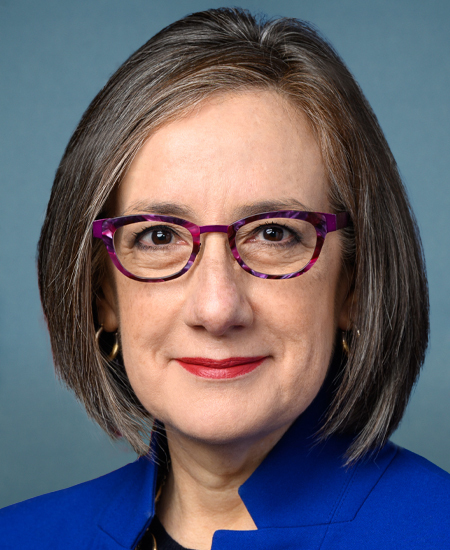
Rep. Andrea Salinas
Sponsored bills
Maddy summaryThis bill creates federal grants for school districts to provide emergency opioid overdose treatment (like naloxone) in public and private elementary and secondary schools. It requires schools to have trained staff (such as nurses or designated personnel), maintain accessible supplies of the medication, and confirm their state has liability protections for staff using it during an emergency. The law directly affects K-12 schools by mandating specific emergency protocols for opioid overdoses. It does not change state laws but requires schools to verify existing state protections before receiving funds.
Maddy summaryThe SAFE Banking Act of 2023 would protect banks and financial institutions that provide services to state-legal marijuana businesses and hemp-related businesses by preventing federal regulators from taking adverse actions against them solely for serving these businesses. It clarifies that income from state-legal marijuana businesses can be considered for mortgage applications, and requires regulators to update guidance on suspicious activity reports related to these businesses. The bill does not require financial institutions to serve these businesses, but ensures they won't face penalties for doing so. It extends similar protections to hemp-related businesses, which have faced banking challenges despite being federally legal under the 2018 Farm Bill.
Maddy summaryThis bill would create a pathway to permanent residency for non-citizens who worked in designated essential sectors during the pandemic. It would allow eligible workers in healthcare, emergency response, sanitation, food services, agriculture, construction, and other critical industries to apply for permanent residence if they've been physically present in the U.S. since January 1, 2023, after meeting background check requirements. The bill includes application fee exemptions for low-income applicants and protections against employer retaliation for workers seeking documents to support their applications. It also includes special provisions for those who have been ordered removed from the U.S. to apply for status under this program.
Maddy summaryThe Postal Police Reform Act of 2023 updates federal law to explicitly include "Postal Service police officers" alongside Postal Inspectors as authorized personnel for enforcing regulations on U.S. Postal Service property. It clarifies that the Postmaster General can establish and post rules for protecting postal property, with violations punishable by fines or up to 30 days in jail. This change directly affects USPS police officers (by formalizing their role), the Postmaster General (by expanding regulatory authority), and anyone on postal property who must follow posted rules. The bill makes existing enforcement procedures more explicit without altering penalties or creating new requirements.
Maddy summaryThis bill protects living organ donors from insurance discrimination by prohibiting life, disability, and long-term care insurers from denying coverage, raising premiums, or altering policy terms solely because someone donated an organ while alive. It also updates the Family and Medical Leave Act to include recovery from organ donation surgery as a qualifying health condition, allowing donors to take protected leave for this purpose. Additionally, the bill requires the Health and Human Services Secretary to update public educational materials about living donation benefits, risks, and insurance protections within six months of enactment. These changes directly affect living organ donors, insurers, employers, and healthcare systems by ensuring fair access to insurance and workplace leave.
Maddy summaryHR 2955, the Stop Institutional Child Abuse Act, establishes a Federal Work Group to improve data collection and best practices for youth in residential programs (like therapeutic schools, treatment centers, and group homes). The Work Group, composed of federal agency representatives and diverse stakeholders, must develop national data standards, create risk assessment tools, and issue biennial reports with recommendations to enhance safety, reduce restraints, and expand community-based alternatives. It directly affects youth with mental health, substance use, or disability needs placed in these facilities, as well as agencies overseeing them. The bill also mandates a National Academies study to examine funding, oversight, and barriers to community care. These mechanisms aim to standardize data tracking and promote less restrictive, trauma-informed care for youth in residential programs.
Maddy summaryHR 2904, the Anti-Racism in Public Health Act of 2023, establishes a National Center on Antiracism and Health within the CDC. The center will declare racism a public health crisis, conduct research on how structural racism affects health outcomes, and develop data systems to track health disparities across race, ethnicity, gender, and other factors. It will fund regional centers in minority communities, create public health interventions, and require CDC to report annually on antiracist efforts. This bill directly affects public health agencies, researchers, and communities of color by mandating systemic analysis of racial inequities in healthcare and public health policy.
Bruce's Law This bill reauthorizes certain grants through FY2028 and sets out other activities to address the dangers of fentanyl-related drug overdoses, with a particular focus on drug contamination with fentanyl or other synthetic opioids. Specifically, the bill (1) reauthorizes grants that are available through the White House Office of National Drug Control Policy (ONDCP) for community-based coalitions to address local drug crises, and (2) authorizes new grants for coalitions to implement education and prevention strategies in communities that face significant levels of drug overdoses related to fentanyl and other synthetic opioids. The ONDCP may delegate authority to execute the new grants to the Centers for Disease Control and Prevention. Additionally, the Department of Health and Human Services (HHS) must carry out a campaign to increase public awareness of the dangers of fentanyl, including the risk of contamination of counterfeit drugs with fentanyl or other synthetic drugs. The bill also establishes an interagency work group to coordinate and improve federal efforts to reduce and prevent drug overdoses involving contamination with fentanyl or other synthetic opioids. Work group members include the ONDCP, HHS, the Department of Justice, and the Department of State.
Maddy summaryThe Kids PRIVACY Act strengthens privacy protections for children under 13 and teenagers aged 12-18 online. It requires digital services that collect data from these age groups to obtain verifiable consent, limit data collection to what's necessary, and prevent targeted advertising based on their information. The bill establishes new requirements for transparency (including clear privacy policies), data minimization, security measures, and privacy impact assessments. It also creates a dedicated Youth Privacy and Marketing Division at the Federal Trade Commission to enforce these rules and repeals existing safe harbor provisions that previously protected operators from liability.