

Maddy summaryHR 621, the PART Act, requires catalytic converters on vehicles to be stamped with a visible vehicle identification number (VIN) using special high-visibility paint to deter theft. It creates a federal grant program to help auto dealers, repair shops, and law enforcement implement this stamping at no cost to vehicle owners. The bill also mandates that sellers of catalytic converters retain buyer identification and vehicle details for two years, and adds new federal criminal penalties for stealing or trafficking in catalytic converters.
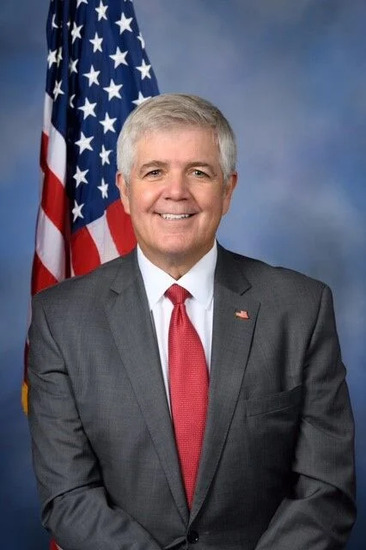
Rep. Cliff Bentz
Sponsored bills
Maddy summaryHR 887, the Securing Our Students Act, allows public and private schools to use unused funds from the American Rescue Plan Act (ARP) for specific school safety improvements. Public schools (via state subgrants) and private schools (via governors) can amend their applications to include safety measures like bulletproof windows, metal detectors, security personnel, and crisis communication systems. Schools must submit evidence-based plans detailing how these measures address safety needs and include professional development requirements. States and governors must report the percentage of ARP funds used for these safety purposes, ensuring transparency in how the funds are applied.
Maddy summaryHCONRES 13 is a concurrent resolution expressing Congress's support for maintaining the current policy that prohibits imposing new fees on local radio stations for playing music. It states that Congress should not impose any performance fee, tax, royalty, or charge on local radio stations for broadcasting sound recordings over the air, or on businesses like bars and restaurants that play music publicly. The resolution argues that such fees would harm local radio stations - critical sources for emergency information and community programming - and jeopardize the economic model that has supported both radio and the music industry for decades. This resolution does not create new law but formally opposes potential legislative changes to the existing fee structure.
Maddy summaryThis bill would prohibit the FDA from approving new abortion medications or investigational uses of existing ones. It would restrict currently approved abortion drugs to in-person administration only in clinics, hospitals, or medical offices by certified providers who can handle complications like ectopic pregnancy or severe bleeding. The law requires detailed adverse event reporting (excluding patient identifiers) to the FDA by both manufacturers and prescribers, and mandates provider certification covering pregnancy assessment, surgical intervention capabilities, and patient safety documentation. These provisions apply directly to healthcare providers, patients seeking medication abortions, and manufacturers of abortion drugs.
Maddy summaryHR 484, the Natural Gas Tax Repeal Act, repeals Section 136 of the Clean Air Act, which established a methane emissions and waste reduction incentive program for natural gas systems. This directly affects natural gas operators who previously participated in the program by ending their eligibility for associated incentives. The bill also rescinds any unobligated funds allocated under that program before its repeal. The change removes a federal requirement for the industry to reduce methane emissions through this specific incentive mechanism.
Life at Conception Act This bill declares that the right to life guaranteed by the Constitution is vested in each human being at all stages of life, including the moment of fertilization, cloning, or other moment at which an individual comes into being. Nothing in this bill shall be construed to authorize the prosecution of any woman for the death of her unborn child.
Maddy summaryHR 263, the STOVE Act, prohibits federal agencies from creating or implementing rules that ban or restrict gas-powered stoves, cooktops, ranges, or ovens in the United States. It blocks agencies like the EPA or DOE from proposing or finalizing regulations that would limit the sale or use of these appliances. The bill directly affects federal rulemaking processes related to home energy appliances, preventing new restrictions from being enacted. This is a policy change that stops federal action on appliance bans, not a change to existing appliance use.
Maddy summaryHRES 641 is a ceremonial resolution recognizing the 75th anniversary of the National Association of Conservation Districts (NACD). It celebrates NACD's history as a locally led conservation organization with 3,000 districts across all 50 states and territories, which works with landowners and governments to manage natural resources. The resolution describes NACD's mission of promoting voluntary, incentive-driven conservation programs at the local level. As a non-binding resolution, it does not create new laws or funding, but formally honors NACD's role in conservation efforts.
This act directs the Speaker of the House of Representatives and the President pro tempore of the Senate to arrange for the posthumous award of a Congressional Gold Medal to commemorate Glen Doherty, Tyrone Woods, J. Christopher Stevens, and Sean Smith, four Americans killed in the September 11, 2012, attack on the U.S. consulate in Benghazi, Libya. (Stevens was the U.S. Ambassador to Libya at the time, Smith was an officer in the Foreign Service, and Doherty and Woods were both government contractors and former Navy SEALs.) After the medal has been awarded, it shall be given to the Central Intelligence Agency Museum.
This bill extends through FY2021 the inapplicability of the requirement for counties to elect to receive certain payments under the Secure Rural Schools and Community Self-Determination Act of 2000. That act provides compensation to counties for the presence of untaxable federal land within their borders.