

Maddy summaryHR 3946, the FIGHT Act of 2025, amends the Animal Welfare Act to specifically prohibit gambling on animal fighting events and restrict the interstate transport of roosters used in such ventures. It defines "rooster" as male chickens over six months old and makes it unlawful to sponsor, exhibit, attend (for those under 16), or gamble on animal fighting events - whether in-person or broadcast. The bill creates a civil enforcement mechanism allowing any person to file a lawsuit to stop violations after providing 60 days' notice to authorities, with potential fines up to $5,000 per violation. It also establishes seizure of property used to facilitate violations and clarifies that state laws on animal fighting remain in effect unless directly conflicting with federal provisions.
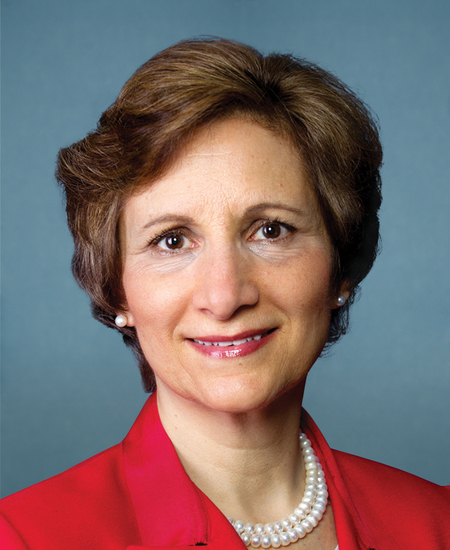
Rep. Suzanne Bonamici
Sponsored bills
Maddy summaryThis bill requires colleges receiving federal work-study funds to notify eligible students about potential eligibility for the SNAP food assistance program. It specifically targets students participating in federal work-study or receiving Pell Grants, mandating that institutions send email notifications with state-specific SNAP eligibility details and a document confirming their work-study status to overcome a key ineligibility barrier. The notifications, developed jointly by the Education and Agriculture Departments, include application contacts and guidance for schools on identifying eligible students. The policy change directly enables more college students to access nutrition assistance by clarifying their SNAP eligibility through institutional outreach.
Maddy summaryThe RISE Act (HR 3939) streamlines documentation for college students with disabilities by requiring institutions to accept multiple forms of proof, including past Individualized Education Programs (IEPs), Section 504 plans, or licensed professional evaluations, instead of demanding current documentation. It mandates that colleges establish transparent, accessible processes for determining accommodation eligibility and share these policies with students, parents, and faculty. The bill also requires institutions to report specific data on students with disabilities (like enrollment numbers and accommodations used) to federal databases, while authorizing $10 million for a national support center. These changes directly affect colleges receiving federal aid and students seeking disability accommodations in higher education.
Maddy summaryThe Keeping Obstetrics Local Act aims to improve access to maternity care, particularly in rural and underserved communities, by requiring states to study the costs of obstetric services and ensuring hospitals receive adequate Medicaid payments. It establishes "anchor payments" for low-volume obstetric hospitals to prevent closures, mandates 12-month continuous coverage for pregnant individuals under Medicaid and CHIP, and creates health homes for coordinated maternal care. The bill also requires hospitals to notify communities 180 days before closing obstetric units and collect detailed data on labor and delivery services. This legislation directly affects rural and safety net hospitals, pregnant individuals, and maternal health providers across the country.
Maddy summaryThe Protecting Children Act increases penalties for employers violating child labor laws, raising civil penalties to as much as $700,000 for serious violations involving children and doubling or tripling penalties for violations that cause harm to young workers. It establishes a National Advisory Committee on Child Labor to advise federal agencies and creates a fund using penalty collections to support enforcement, research, and education about child labor. The bill updates processes for reviewing hazardous occupations for children and requires annual reports on child labor enforcement activities, statistics, and the effectiveness of protections. These provisions directly affect employers who hire children, children working in hazardous conditions, and federal agencies responsible for labor and safety enforcement.
Maddy summaryThe Domestic Workers Bill of Rights Act (HR 3971) would establish key labor protections for domestic workers, including nannies, housekeepers, and caregivers who work in private homes. The bill requires written agreements for workers employed 8+ hours per week, provides earned sick days (1 hour for every 30 hours worked), mandates fair scheduling practices with 72-hour notice for schedule changes, and extends overtime protections to live-in domestic employees. It also prohibits unfair wage deductions, guarantees meal and rest breaks, and ensures privacy protections including no monitoring in private living spaces. The bill directly affects approximately 2.2 million domestic workers across the U.S., who are disproportionately women of color and immigrants. Enforcement would be handled by the Department of Labor through new complaint resolution mechanisms and oversight.
Maddy summaryThis bill codifies existing protections for designated roadless areas within the National Forest System by prohibiting new road construction, road reconstruction, and logging in these areas. It directly affects National Forest lands already identified as "inventoried roadless areas" under the current Roadless Rule, which covers roughly 58 million acres. The key mechanism requires the Secretary of Agriculture to enforce these prohibitions, maintaining current protections without expanding restrictions to other lands or altering existing multiple-use management. The bill does not create new protected areas but legally solidifies the existing regulatory framework to preserve ecological and recreational values.
Maddy summaryThis bill prevents colleges and universities from requiring students to sign enrollment agreements that force them to resolve disputes through private arbitration instead of in court. It specifically removes the Federal Arbitration Act from student enrollment contracts (where students pay for education) and amends the Higher Education Act to prohibit institutions from enforcing restrictions on students' ability to pursue legal claims - such as limiting jury trials, choice of venue, or applicable law. The law directly affects students who enroll in higher education programs and the institutions that require such contracts. It takes effect one year after enactment.
Maddy summaryThis bill, HR 3916 (My Body, My Data Act of 2025), requires businesses and other "regulated entities" to minimize collection and sharing of personal reproductive or sexual health data - such as pregnancy status, contraceptive use, or abortion-related information - and gives individuals specific rights. It mandates that entities provide individuals with easy access to their data, the ability to correct inaccuracies, and the right to request deletion of such information within 15 days. The law also requires clear privacy policies detailing data practices and prohibits retaliation against individuals who exercise these rights, such as charging higher prices or denying services. It applies broadly to most businesses (excluding HIPAA-covered healthcare providers) and is enforced by the FTC with private lawsuits allowed for violations.
Maddy summaryThis bill updates Veterans Health Administration (VHA) anesthesia practice standards to align with Defense Health Agency (DHA) guidelines, directly affecting VA-employed anesthesia providers (including physician anesthesiologists and certified registered nurse anesthetists). It requires VHA to recognize certified registered nurse anesthetists as licensed independent practitioners under DHA’s 2023 standards and mandates certification from specific bodies for all anesthesia staff. Additionally, it sets a 25-hour minimum requirement for direct patient care experience for all VA anesthesia professionals and allows suspension for non-compliance. The bill also requires annual GAO reports comparing outcomes and costs across three anesthesia delivery models (anesthesiologist-led, CRNA-supervised, and CRNA-only) to be submitted to Congress.