

Eliminating a Quantifiably Unjust Application of the Law Act of 2021 or the EQUAL Act of 2021 This bill eliminates the federal sentencing disparity between drug offenses involving crack cocaine and powder cocaine. Currently, different threshold quantities of crack cocaine and powder cocaine (e.g., 28 grams of crack cocaine and 500 grams of powder cocaine) trigger the same statutory criminal penalties. This bill eliminates the lower quantity thresholds for crack cocaine offenses. Under the bill, the same threshold quantities of crack cocaine and powder cocaine trigger the same statutory criminal penalties. The change applies to future cases and cases pending on the date of enactment. With respect to past cases, the bill authorizes a sentencing court to impose a reduced sentence on a defendant who was convicted or sentenced for a specified crack cocaine offense before this bill's enactment. A defendant does not have to be present at the sentence reduction hearing. Finally, the bill prohibits the reduction of a sentence that was previously reduced.
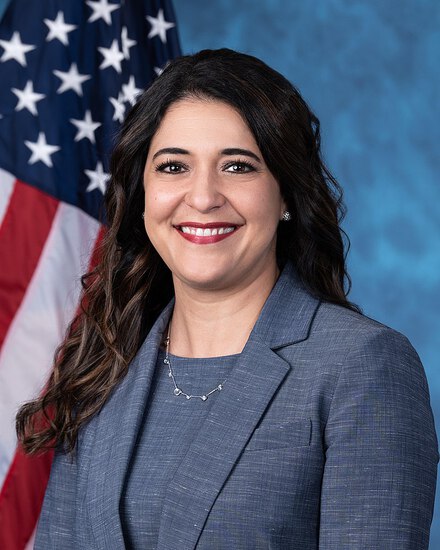
Rep. Stephanie I. Bice
Sponsored bills
Veteran's Electronic Transcript of Residency for Entering New Tenancies Act or the VET RENT Act This bill requires the Department of Defense to establish and implement a standard record of housing history for members of the Armed Forces who reside in housing provided by the United States.
Agricultural Fairs Rescue Act This bill directs the Agricultural Marketing Service of the Department of Agriculture to establish a program to award grants to states or state departments of agriculture to provide support to agricultural fairs for losses sustained by such fairs due to COVID-19. As a condition of receiving a grant, recipients shall agree to (1) prioritize supporting agricultural fairs in the state facing the greatest financial hardship, and (2) use not more than 5% of grant funds for administrative costs incurred in providing support to agricultural fairs.
This concurrent resolution expresses the sense of Congress that the men and women who undertook efforts in Afghanistan over the years have provided heroic service to the country and the peace experienced by our country is a direct result of the actions of our service members, diplomats, and humanitarians. The concurrent resolution also expresses that veterans who feel stress, anger, or disappointment over the end of operations in Afghanistan should seek resources and reach out to friends, mentors, and caregivers.
This bill reauthorizes through FY2026 certain activities under the Impact Aid Program. The program provides funding to local educational agencies that have lost property tax revenue due to the presence of tax-exempt federal property or to those that have experienced increased expenditures due to enrollment of federally connected children (e.g., children living on Indian lands or military bases).
This resolution expresses the sense of the House of Representatives that the United States shall recognize kind actions in our country, encourage kindness, spread love, and foster a culture of being kind to one another.
This resolution calls on all Americans to observe the 20th anniversary of the September 11 attacks and honor those who lost their lives.
Working Dog Commemorative Coin Act This bill directs the Department of the Treasury to mint and issue 50,000 $5 gold coins, 500,000 $1 silver coins, and 750,000 half-dollar clad coins in commemoration of the service that working dogs provide to society. The designs of the coins minted under this bill shall be emblematic of the contributions of working dogs to society, including in detection, military service, therapy and assistance. Treasury may issue coins only during the one-year period beginning on January 1, 2023. All sales of coins shall include a surcharge, which shall be paid to America's VetDogs for general expenses associated with the fulfillment of its mission.
Supporting Disabled National Guardsmen Act This bill provides disability pay and medical care for members of the National Guard who were physically disabled as a result of state active duty. State active duty includes training or other duty in service to the governor of a state for which the member is not entitled to federal pay, but excludes required drills and field exercises. The bill expands eligibility for Department of Defense retired pay to such members who are physically disabled as a result of state active duty after September 23, 1996. Such pay must be reduced if it is determined to duplicate any other federal or state benefit to such members based on disability. The bill also makes such members eligible for hospital care and medical services from the Department of Veterans Affairs (VA) to treat the disability and any illness or condition arising from the disability. The VA may provide reimbursement for hospital care or medical services provided to such members only after a member or the provider of care has exhausted (without success) all claims and remedies reasonably available against a third party.
This resolution opposes the enactment of any federal law that voids state laws that prohibit employers from requiring workers to join a union as a condition of employment.