

Maddy summaryThis bill removes a restriction that previously barred people in jail or prison while awaiting trial from receiving Medicaid health benefits. It directly affects individuals in custody pending legal proceedings by allowing states to provide Medicaid coverage for their medical care during this time. The bill also allocates $50 million in planning grants to help states develop systems to enroll these individuals, recruit healthcare providers who can serve them, and establish electronic billing for services provided in correctional facilities or through outpatient care. Key provisions require states to assess healthcare needs, eliminate policy barriers, and create plans to increase provider participation in Medicaid for this population.
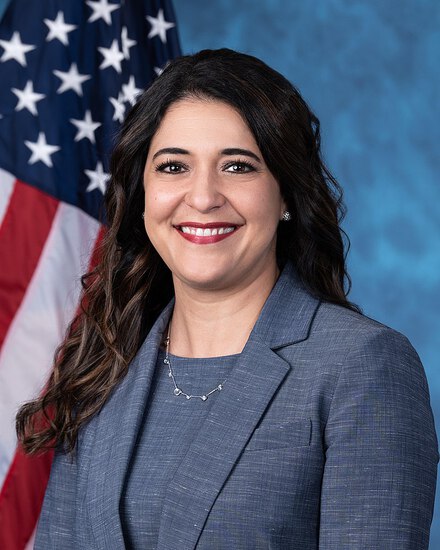
Rep. Stephanie I. Bice
Sponsored bills
Maddy summaryHR 3008, the Drug Shortage Prevention Act of 2023, requires manufacturers of critical essential medicines (like life-saving or emergency drugs) to notify the FDA earlier about potential supply disruptions. Specifically, manufacturers must report permanent production stops, interruptions, or unexpected demand spikes (not seasonal) at least six months in advance for production issues, or within 48 hours for sustained demand increases. The notification must include reasons, ingredient sources, alternative suppliers, and expected duration. The FDA will then share this information with healthcare providers and patient groups to help manage shortages. This law applies to drugs critical for life-sustaining care, excluding certain radio pharmaceuticals.
Maddy summary# Summary of the Energy Development and Permitting Bill This document is a comprehensive energy policy bill focused on streamlining permitting processes, accelerating energy development, and reducing regulatory burdens for oil, gas, and geothermal projects on public lands. ## Key Provisions: 1. **Leasing and Permitting Reforms:** - Requires annual oil and gas lease sales in the Gulf of Mexico and Alaska regions - Sets 30-day deadlines for processing permit to drill applications - Mandates annual reports on permit processing status - Establishes 50-year terms for pipeline rights-of-way (replacing previous 30-year terms) 2. **Environmental Review Streamlining:** - Introduces "categorical exclusions" for certain activities that don't require environmental review - Sets page limits for environmental documents (150 pages for EIS, 75 for EA) - Establishes deadlines for completing environmental reviews (1-2 years) - Limits judicial review of environmental decisions - Requires "statement of purpose and need" in environmental impact statements 3. **Special Provisions:** - Allows drilling on non-Federal surface estate without Federal permit (if State permit is provided) - Prohibits Chinese Communist Party ownership interest in Federal leases - Sets royalty rates at not more than 12.5% for onshore Federal oil and gas leases - Exempts certain activities from "major Federal action" definition 4. **Transparency Requirements:** - Requires public posting of pending applications and processing status - Mandates annual reports on permit processing timelines - Requires publication of data on lease sales and permit approvals 5. **Judicial Limitations:** - Bars claims for judicial review of environmental decisions unless filed within 120 days - Limits challenges to environmental reviews to specific issues - Prohibits injunctions against lease sales unless imminent environmental harm is proven This bill represents a significant effort to accelerate energy development on public lands while reducing regulatory complexity and environmental review requirements, with particular emphasis on oil, gas, and geothermal projects.
Maddy summaryHR 2995, the National Mesonet Authorization Act, establishes a formal National Mesonet Program within the National Weather Service to enhance weather observation networks. The program leverages existing commercial, academic, and non-Federal weather data to improve severe weather forecasting, warnings, and emergency response by increasing data density and quality across the U.S. It authorizes $50-70 million annually (2024-2028) to provide financial and technical assistance to state, tribal, private, and academic entities that expand their weather monitoring systems and share data with the program. This directly affects weather data providers and the National Weather Service, aiming to reduce forecasting gaps and support a 30-minute severe weather warning target. The bill requires regular congressional reporting on program progress and data integration efforts.
Maddy summaryThis bill amends the Family and Medical Leave Act (FMLA) to add a new category of protected leave for employees (or family members) affected by domestic violence, dating violence, sexual assault, sex trafficking, or stalking. It entitles eligible employees to up to 12 weeks of unpaid leave for specific needs like medical care, legal services, counseling, securing safe housing, or assisting family members with these issues. The leave can be taken intermittently or on a reduced schedule, and employees may substitute accrued paid leave (vacation, sick days) for part of the unpaid FMLA leave period. Employers may require certification or accept a sworn statement if certification is pending, but the bill does not mandate paid leave.
Maddy summaryHR 2955, the Stop Institutional Child Abuse Act, establishes a Federal Work Group to improve data collection and best practices for youth in residential programs (like therapeutic schools, treatment centers, and group homes). The Work Group, composed of federal agency representatives and diverse stakeholders, must develop national data standards, create risk assessment tools, and issue biennial reports with recommendations to enhance safety, reduce restraints, and expand community-based alternatives. It directly affects youth with mental health, substance use, or disability needs placed in these facilities, as well as agencies overseeing them. The bill also mandates a National Academies study to examine funding, oversight, and barriers to community care. These mechanisms aim to standardize data tracking and promote less restrictive, trauma-informed care for youth in residential programs.
Maddy summaryThe Employee Rights Act (HR 2700) amends key labor laws to strengthen employee rights in collective bargaining and privacy. It requires employers to use secret ballot elections for selecting bargaining representatives and to provide labor organizations with voter lists containing employee names and one form of contact information (chosen by the employee) within two business days of an election. The bill prohibits employers from using employee personal information for non-organizing purposes and mandates written authorization for using union dues on non-bargaining activities, with authorizations expiring after one year. Additionally, it clarifies joint employment standards to prevent misclassification and adds tribal sovereignty protections to labor law definitions.
Maddy summaryThis bill blocks the Federal Housing Finance Agency (FHFA) and mortgage enterprises (Fannie Mae and Freddie Mac) from implementing new single-family mortgage credit fee changes announced on January 19, 2023. It specifically cancels the fee framework updates detailed in FHFA's January 19 announcement and related lender letters (LL-2023-01 and Bulletin 2023-1). The bill does not stop mortgage enterprises from using risk-based pricing for credit fees, which remains permitted. It directly affects the FHFA's authority and the mortgage pricing structure for Fannie Mae and Freddie Mac.
This bill prohibits the Federal Housing Finance Agency, the Federal National Mortgage Association (Fannie Mae) and the Federal Home Loan Mortgage Corporation (Freddie Mac) from implementing their January 2023-announced changes to the single-family pricing framework for fees on purchase, rate-term refinance, and cash-out refinance loans. The changes revise the fee charts that provide percentage adjustments based on a borrower's credit score and other factors.
Maddy summaryHR 2826, the Save Local Business Act, clarifies when multiple businesses can be held jointly responsible for labor laws. It amends the National Labor Relations Act and Fair Labor Standards Act to state that a business is only a joint employer if it directly controls key employment terms like hiring, pay, schedules, or discipline for another business's workers. This directly affects franchisors, contractors, and similar business models that might previously have been deemed joint employers under broader interpretations. The bill aims to limit joint employer liability to cases where one business has clear, day-to-day control over essential worker conditions.