

Maddy summaryThe Prevent Interruptions in Physical Therapy Act of 2023 amends Medicare rules to allow physical therapists to use temporary replacement providers (locum tenens) for outpatient physical therapy services, aligning with existing provisions for physicians. This directly affects Medicare beneficiaries receiving physical therapy and physical therapy practices needing temporary staffing solutions during provider shortages. The bill updates the Social Security Act to extend the current physician locum tenens rule to physical therapists, ensuring continuity of care without requiring separate approval for temporary coverage. It applies to services furnished after the bill's enactment date.
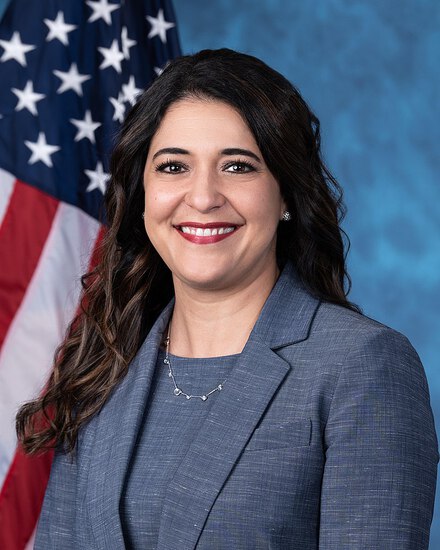
Rep. Stephanie I. Bice
Sponsored bills
Maddy summaryThis bill repeals specific provisions from the Affordable Care Act and its 2010 amendment that restricted certain physician referrals to hospitals under Medicare. It directly affects hospitals and physicians who previously faced limitations on referring Medicare patients to facilities they owned or had financial ties with. The key mechanism restores the original rules that allowed such referrals without the prior restrictions, effectively undoing the 2010 changes. This is a procedural change to existing law, not a new policy.
Maddy summaryThe Secure the Border Act of 2023 is a comprehensive immigration bill that focuses on strengthening border security, reforming asylum processes, and updating employment verification systems. The bill requires the immediate resumption of border wall construction, mandates specific staffing levels for Border Patrol agents, and establishes new technology investment plans for Customs and Border Protection. It also introduces stricter asylum eligibility rules, expands penalties for visa overstays, and creates a new employment eligibility verification system that requires employers to check worker authorization status. Additionally, the bill includes provisions for family detention standards, child repatriation policies, and increased funding for border security operations while prohibiting certain types of funding for organizations that facilitate illegal immigration.
Maddy summaryHR 549, the Metastatic Breast Cancer Access to Care Act, removes waiting periods for disability and Medicare coverage for people diagnosed with metastatic breast cancer. Specifically, it amends Social Security Act sections to allow immediate eligibility for disability insurance benefits (eliminating the standard waiting period) and immediate Medicare coverage (waiving the 24-month waiting period) for these patients. The bill directly affects individuals with metastatic breast cancer who would otherwise face delays in accessing critical benefits. These changes apply to applications filed or benefits beginning after the bill's enactment date. The law makes no other policy changes beyond these specific eligibility adjustments.
Maddy summaryThis bill bans federal funding for abortions in most cases, prohibiting the use of taxpayer money for abortion services or health insurance plans covering abortion. Exceptions allow funding for abortions resulting from rape, incest, or when a pregnancy endangers a woman's life. It requires health insurance plans sold through the Affordable Care Act (ACA) marketplaces to clearly disclose any separate costs for abortion coverage and prohibits ACA subsidies from being used for plans that cover abortion (except in the specified exceptions). The law directly affects federal programs like Medicaid, ACA marketplace plans, and insurers offering health coverage to individuals using federal subsidies.
Maddy summaryHJRES 142 is a congressional disapproval resolution targeting a Department of Labor rule issued on April 25, 2024. It seeks to block the "Retirement Security Rule: Definition of an Investment Advice Fiduciary" (89 Fed. Reg. 32122), which defined standards for financial advisors handling retirement accounts. If passed, this resolution would make the Labor Department's rule ineffective, directly affecting retirement plan advisors and financial institutions subject to the regulation. The bill uses a specific procedural mechanism under Title 5, U.S. Code, to nullify the rule without creating new law.
Maddy summaryHR 9488, the SHIELD Act, requires political committees in federal elections to verify specific details before accepting online credit or debit card donations. It mandates that donors disclose their card's verification number and confirm their billing address is in the U.S. (or provide U.S. identification if abroad), while banning the acceptance of gift cards or prepaid cards for contributions. The bill directly affects political committees (campaigns) and online donors, changing how digital campaign contributions are processed. Key provisions include mandatory disclosure of card details, address verification, and a complete prohibition on gift/prepaid card donations for federal election contributions.
Maddy summaryThis bill provides tax relief for individuals affected by specific disasters by excluding certain compensation payments from taxable income. It covers wildfire relief payments for losses incurred in federally declared wildfires after 2014 (including expenses like repairs, lost wages, and emotional distress), and payments related to the February 2023 East Palestine, Ohio, train derailment (covering property damage, closing costs, and inconvenience). Payments already covered by insurance or other sources are excluded from this tax benefit. The relief applies to payments received during 2020-2025 for wildfires and from February 2023 onward for the East Palestine incident, with extended deadlines for related tax claims.
Maddy summaryThis bill requires the Secret Service to record all communications between agents protecting individuals entitled to Secret Service protection. It mandates that recordings be deleted after 90 days unless a specific congressional committee requests longer retention (up to 18 months). In cases of attempted or actual harm to a protected person, the Secret Service must provide recordings to four designated committees: House and Senate Appropriations, Judiciary, Oversight, and Homeland Security committees. The law directly affects Secret Service operations during protective assignments and establishes clear retention and disclosure rules for communications.
Maddy summaryThe FAFSA Deadline Act changes the deadline for processing the Free Application for Federal Student Aid (FAFSA) from January 1 to October 1 prior to a student's planned college enrollment year. This requires students and families to submit their FAFSA applications earlier each year, potentially allowing for faster financial aid decisions. The bill also mandates that the Secretary of Education certify by September 1 whether the October 1 deadline will be met, and if not, testify by September 30 about the reasons and financial impact on students and families. These changes apply directly to all students and families seeking federal financial aid for higher education.