

Maddy summaryThe Border Reinforcement Act of 2023 requires the immediate resumption of border wall construction along the US-Mexico border using previously allocated funds, with annual goals to complete 200 miles of wall until operational control is achieved. It mandates a comprehensive 5-year technology investment plan for border security systems, including surveillance and detection technology, and sets staffing requirements for U.S. Border Patrol, including a target of 22,000 full-time equivalent agents by 2025. The bill also requires U.S. Customs and Border Protection to publish monthly operational statistics on border encounters, drug seizures, and other border security metrics. Additionally, it includes provisions for DNA collection at land borders, eradication of certain vegetation impeding border security, and a report on Mexican cartels as potential foreign terrorist organizations.
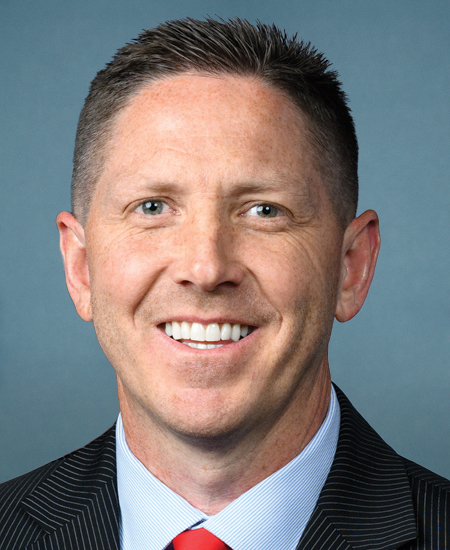
Rep. Josh Brecheen
Sponsored bills
Maddy summaryHR 1769, the Healthcare Freedom Act of 2023, amends the tax code to rename "health savings accounts" as "health freedom accounts" and expands their use. It allows individuals to use these accounts for direct primary care, health care sharing ministries, and medical cost sharing organizations, increases annual contribution limits to $12,000 (or $24,000 for joint returns), and permits rollovers between accounts within 60 days. Employers may contribute to these accounts for employees hired after a 5-year transition period, with those contributions excluded from taxable income. The bill directly affects individuals using these accounts, employers offering them, and the IRS in tax administration, without changing health insurance coverage requirements.
Maddy summaryHR 1399, the "Protect Children's Innocence Act," prohibits medical gender-affirming care for minors under 18 by making it a class C felony for providers to perform such care. The bill defines gender-affirming care broadly to include surgical procedures, hormone treatments, and certain cosmetic procedures, with exceptions for medical conditions like reproductive cancers or intersex conditions. It prohibits federal funding for gender-affirming care through programs like Medicaid, Medicare, and the Affordable Care Act, and bans such care in federal health facilities. The bill also prevents institutions of higher education from teaching gender-affirming care and adds immigration consequences for individuals who provide such care to minors.
Maddy summaryHR 1276, the "Protect Minors from Medical Malpractice Act of 2023," creates a legal right for minors who undergo gender-transition procedures before age 18 to sue medical practitioners for harms (physical, psychological, or emotional) related to those procedures. It allows such individuals to file civil lawsuits up to 30 years after turning 18, seeking damages, injunctions, or attorney fees. The bill defines "gender-transition procedure" broadly to include puberty blockers, cross-sex hormones, or surgeries, but excludes treatments for intersex conditions, medical emergencies, or injuries caused by prior procedures. This law directly affects minors receiving such care, medical practitioners performing these procedures, and states that might require them. The bill does not prohibit gender-transition care but establishes a liability framework for practitioners.
Maddy summaryThis bill amends the Social Security Act to exclude wages earned and self-employment income derived from unauthorized employment in the United States from being counted toward Social Security credits. It directly affects undocumented immigrants who work without authorization, preventing those earnings from contributing to their future Social Security benefits. The law changes existing Social Security rules by adding specific exclusions for "service performed by an alien while employed... not authorized to be so employed" and similar self-employment activities. These changes apply to all wages and income earned before, during, or after the bill's enactment, with Social Security recompiling existing benefit calculations to reflect the new rules.
Maddy summaryHR 497, the Freedom for Health Care Workers Act, eliminates a federal requirement for healthcare workers in Medicare and Medicaid programs to be vaccinated against COVID-19. The bill directly affects healthcare providers who treat patients under these federally funded programs by preventing the enforcement of the November 2021 HHS rule mandating staff vaccinations. Its key provision prohibits the Department of Health and Human Services from implementing, enforcing, or creating a similar rule regarding vaccination for these workers. This bill changes the policy by removing a specific vaccine mandate for providers in Medicare and Medicaid programs.
Maddy summaryThis bill bans federal funding for abortions in most cases, prohibiting the use of taxpayer money for abortion services or health insurance plans covering abortion. Exceptions allow funding for abortions resulting from rape, incest, or when a pregnancy endangers a woman's life. It requires health insurance plans sold through the Affordable Care Act (ACA) marketplaces to clearly disclose any separate costs for abortion coverage and prohibits ACA subsidies from being used for plans that cover abortion (except in the specified exceptions). The law directly affects federal programs like Medicaid, ACA marketplace plans, and insurers offering health coverage to individuals using federal subsidies.
Maddy summaryHR 152, titled the "Hearing Protection Act," actually addresses firearm silencers (suppressors), not hearing protection. The bill removes federal registration requirements for silencers by directing the Attorney General to destroy all existing silencer records within 365 days. It also preempts state laws that tax, register, or impose recordkeeping requirements on silencers, making such state rules unenforceable. Additionally, the bill updates tax codes to include silencers as taxable items and clarifies their definition in firearm laws.
Maddy summaryThis bill requires the Congressional Budget Office (CBO) to provide at least two annual updates to the budget baseline, with one update including the economic data used in its calculations. It also mandates that the President submit technical budget data to Congress by February 1 each year, covering current/prior year estimates and credit reestimates for the upcoming fiscal year. These updates aim to improve the timeliness and transparency of budget information available to Congress. The bill directly affects the CBO and the Executive Branch in their annual budget reporting processes.
Maddy summaryThis bill allows livestock producers and their employees to take black vultures (Coragyps atratus) that are harming or threatening livestock, bypassing the usual protections under the Migratory Bird Treaty Act. It directly affects ranchers and farm workers in areas where black vultures cause livestock deaths or injuries. The key provision requires annual reporting to the U.S. Fish and Wildlife Service about any vultures taken, using a simplified form similar to existing reporting for permitted bird take. This creates a specific, limited exception to federal bird protections for livestock protection, with no new restrictions on vulture populations.