

Maddy summaryThis bill amends the Clean Air Act to modify how the EPA handles waivers for ethanol in gasoline, specifically regarding "Reid Vapor Pressure" (a measure of fuel evaporation). It simplifies the process for fuel retailers to introduce certain ethanol blends into commerce by allowing them to meet vapor pressure standards through existing vehicle certification or approved waivers, rather than requiring new EPA approval for each blend. The key change removes barriers for retailers selling ethanol blends that comply with existing vehicle standards or approved waivers, directly affecting fuel manufacturers and retailers who must meet EPA fuel regulations. This is a technical regulatory adjustment focused on streamlining compliance, not creating new consumer benefits or programs.
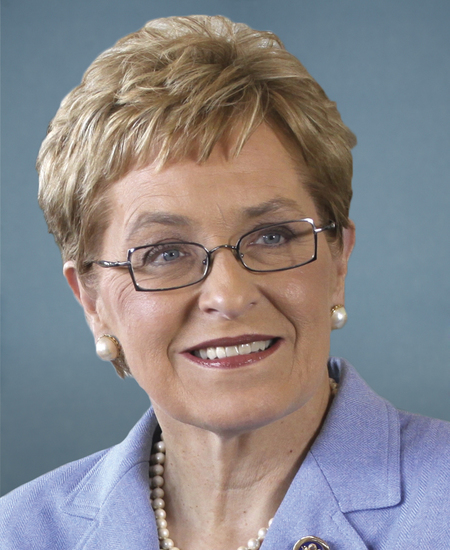
Rep. Marcy Kaptur
Sponsored bills
Maddy summaryHCONRES 28 is a symbolic resolution expressing Congress's view that tax-exempt fraternal benefit societies - organizations providing life, health, and accident benefits to members - have long delivered critical community support. It states these societies, with about 7 million members nationwide, generate significant annual value through charitable work and volunteer activities (estimated at over $3.8 billion yearly). The resolution affirms that their tax-exempt status under Section 501(c)(8) of the tax code is essential for sustaining their volunteer-driven model and relieving pressure on government safety programs. As a non-binding expression of congressional sentiment, it does not alter existing laws or create new obligations.
Maddy summaryHRES 243 (March 22, 2023) is a non-binding House resolution expressing the sense of Congress that the U.S. President and Secretary of State should work with Canada to prevent permanent nuclear waste storage in the Great Lakes Basin. It specifically addresses Canada’s plan to build a deep geological repository for high-level nuclear waste near Lake Huron in South Bruce, Ontario, which could threaten the shared water resources used by over 40 million people. The resolution urges U.S. officials to take diplomatic action to ensure nuclear waste storage does not occur in the basin, citing environmental risks and the importance of protecting the Great Lakes, which are vital for drinking water, ecosystems, and treaty rights. It does not create new laws but formally states congressional concern about the proposed Canadian project.
Office of Manufacturing and Industrial Innovation Policy Act of 202 3 This bill addresses the manufacturing capacity of the United States. The bill establishes the Office of Manufacturing and Industrial Innovation Policy, led by the Chief Manufacturing Officer, to serve as a source of manufacturing and industrial innovation analysis and judgment for the President with respect to the major policies, plans, and programs of the federal government. The office must establish a national strategic plan for manufacturing and industrial innovation that identifies critical needs to the manufacturing sector, including emergency readiness and resilience. Additionally, the bill establishes the President's Advisory Committee on Manufacturing and Industrial Innovation to promote regular communication between the federal government and the U.S. manufacturing sector. The Government Accountability Office must report on the efforts of the office along with recommendations for improvements. The bill also establishes the Federal Strategy and Coordinating Council on Manufacturing and Industrial Innovation within the executive branch to be chaired by the President to coordinate manufacturing and industrial innovation policy. Further, the bill establishes the Manufacturing and Industrial Innovation Policy Institute to assemble information relating to significant manufacturing and industrial development and trends in research and applications. Finally, the bill establishes the National Medal of Manufacturing and Industrial Innovation to be awarded for outstanding contributions to knowledge in manufacturing and industrial innovation.
Maddy summaryThe Railway Safety Act of 2023 establishes new safety requirements for trains transporting hazardous materials, including advance notification to emergency response agencies and restrictions on blocked crossings. It mandates minimum 2-person crews for most freight trains (with specific exceptions for low-risk operations), requires rail carriers to install and maintain wayside defect detectors on tracks carrying hazardous materials, and increases civil penalties for violations based on a percentage of annual income rather than fixed amounts. The bill also sets a phase-out schedule for older DOT-111 tank cars by May 2025 and authorizes research into safer tank car designs. These provisions directly affect rail carriers, shippers of hazardous materials, and emergency response agencies responsible for planning and response.
Maddy summaryThe Food Deserts Act creates a federal grant program to help establish grocery stores in underserved communities by funding state revolving funds. States receive capitalization grants (up to $150 million for FY2022) to provide low-interest loans to grocery stores that meet specific criteria, such as selling unprocessed, affordable healthy foods and matching 20% of the loan with non-federal funds. Priority is given to stores hiring local workers, offering nutrition education, sourcing from local farms, and having established supply chains. The program directly supports grocery store operators in areas with limited access to fresh food, aiming to improve community health outcomes through increased access to nutritious options.
Maddy summaryThe TRACK Act of 2023 requires federal agencies (including HHS, NIH, Defense, and Veterans Affairs) to create a public database tracking all government funding for biomedical research and development. It compiles specific details about contracts, grants, licensing agreements, and tax benefits related to drug, device, and therapy development - including funding amounts, recipient organizations, product names/prices, and patent information. The database must be searchable by the public within one month of the bill’s enactment and updated every two weeks. This directly affects federal agencies managing biomedical funding and the private companies, institutions, and researchers receiving that support. The goal is to increase transparency about how taxpayer dollars fund medical product development.
This resolution demands that Russia respect Ukraine's sovereignty and territorial integrity, as well as immediately withdraw its military forces from inside Ukraine. Affirming strong support for continued U.S. support to Ukraine, the resolution also calls on allies and partners in Europe to increase national defense spending, supports robust transparency and accountability mechanisms for U.S. assistance to Ukraine, and condemns Russian war crimes.
Maddy summaryThis bill authorizes a Congressional Gold Medal to honor the "Hello Girls" - female telephone operators who served in the Army Signal Corps during World War I. They provided critical battlefield communications in France (connecting 26 million calls), wore military uniforms, and faced combat risks, but were denied veteran benefits for 60 years due to being classified as civilian contractors. The medal recognizes their pioneering service, devotion, and the decades-long struggle to gain military recognition. The award follows similar recognition for other WWII women veterans and aims to correct the historical injustice they faced.
Maddy summaryThe SVB Act (HR 1602) repeals Title IV of the 2018 Economic Growth, Regulatory Relief, and Consumer Protection Act, which had relaxed banking regulations. It directly affects banks previously subject to those relaxed rules, particularly smaller institutions that benefited from the 2018 changes. The bill’s key mechanism is restoring the pre-2018 regulatory framework, reversing the specific provisions that eased oversight. This returns banking oversight to the structure that existed before the 2018 law took effect, without creating new rules.