

Lead by Example Act of 2023 This bill provides that, beginning January 3, 2025, the only health care plan the federal government may make available to Members of Congress and congressional staff shall be health care provided through the Department of Veterans Affairs (VA). By September 15, 2023, the VA and the Office of Personnel Management shall jointly submit to Congress a plan to carry out this bill, including recommendations for any necessary legislative actions.
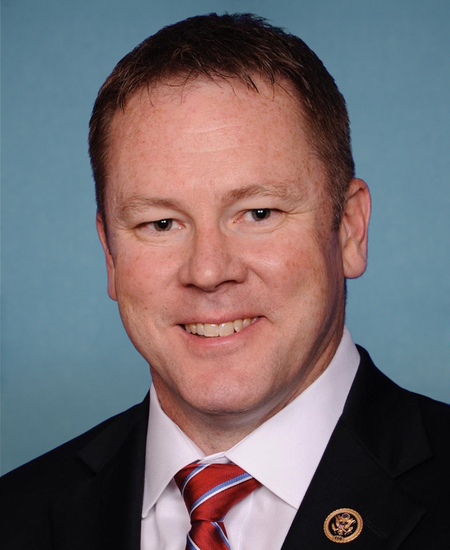
Rep. Warren Davidson
Sponsored bills
Maddy summaryHCONRES 13 is a concurrent resolution expressing Congress's support for maintaining the current policy that prohibits imposing new fees on local radio stations for playing music. It states that Congress should not impose any performance fee, tax, royalty, or charge on local radio stations for broadcasting sound recordings over the air, or on businesses like bars and restaurants that play music publicly. The resolution argues that such fees would harm local radio stations - critical sources for emergency information and community programming - and jeopardize the economic model that has supported both radio and the music industry for decades. This resolution does not create new law but formally opposes potential legislative changes to the existing fee structure.
Repealing Illegal Freedom and Liberty Excises Act or the RIFLE Act This bill repeals the excise tax on the transfer of firearms. The bill shall not be construed as placing any regulated firearms under the jurisdiction of the U.S. Consumer Product Safety Commission.
Maddy summaryHR 735 (Susan Muffley Act of 2023) requires the Pension Benefit Guaranty Corporation (PBGC) to recalculate and increase monthly pension benefits for participants and beneficiaries in six specific Delphi-related pension plans to their full vested amount. This includes making lump-sum payments for past underpayments, plus 6% annual interest on amounts owed since prior benefit calculations. The bill directly affects eligible retirees and beneficiaries in the Delphi Hourly-Rate Employees Pension Plan, Delphi Retirement Program for Salaried Employees, and four other Delphi pension plans. It does not change existing asset allocations but ensures payments reflect the full pension amount guaranteed under ERISA without prior phase-in limits.
Maddy summaryThis bill helps new car dealers affected by pandemic-era supply chain disruptions by changing tax rules for inventory sales. It allows dealers using LIFO accounting to treat certain sales of unsold vehicles (liquidations) between March 2020 and December 2021 as "qualified" for tax purposes. Dealers can defer recognizing income from these sales and have until 2026 to replace the sold vehicles before potential tax adjustments apply. The provision specifically targets dealers who couldn't replenish inventory during the supply chain crisis.
Maddy summaryHR 646, the SHORT Act, clarifies firearm definitions under federal law to exclude antique firearms and certain collector items from the "firearm" category. It removes restrictions on short-barreled rifles and shotguns used lawfully by eliminating specific prohibitions in federal law and preempts state laws imposing taxes or registration requirements on these weapons. The bill also mandates the destruction of federal records related to short-barreled rifles, shotguns, and other weapons defined under the National Firearms Act within 365 days of enactment. This directly affects owners of these specific firearms, particularly collectors and individuals possessing short-barreled weapons legally under federal law. The key mechanisms include revised definitions, federal preemption of state regulations, and record destruction requirements.
Maddy summaryHR 582, the Credit Union Board Modernization Act, changes the required meeting frequency for boards of directors at federal credit unions. It replaces a simple "monthly" requirement with tiered schedules based on each credit union's performance rating under the Uniform Financial Institutions Rating System. Top-rated credit unions (ratings 1 or 2) must meet at least six times yearly, with one meeting per fiscal quarter. Lower-rated credit unions (ratings 3, 4, or 5) must meet monthly, and new credit unions must meet monthly for their first five years. This directly affects all federal credit unions by adjusting their board meeting obligations based on their regulatory rating.
Maddy summaryHR 410, the Health Care PRICE Transparency Act, requires hospitals and health insurers to publicly disclose clear pricing information for healthcare services. Hospitals must list standard charges for at least 300 "shoppable services" (commonly scheduled procedures) in plain language, including gross charges, negotiated rates with insurers, discounted cash prices, and average negotiated rates - without requiring subscriptions or personal data. Insurers must provide consumers with online tools and paper summaries showing estimated out-of-pocket costs for in-network and out-of-network care, including balance billing risks. This law directly affects hospitals participating in Medicare and all health insurers offering plans under the Affordable Care Act. The goal is to make healthcare costs transparent before patients receive care, replacing opaque "chargemaster" pricing with accessible, standardized data.
No Tax Dollars for the United Nation's Immigration Invasion Act This bill prohibits the federal government from making contributions to the United Nations (U.N.) International Organization for Migration, the U.N. High Commissioner for Refugees, or the U.N. Relief and Works Agency for Palestine Refugees in the Near East. The bill also requires the Government Accountability Office to report to Congress on federal funds provided to these U.N. agencies, including the amounts provided during FY2021 and FY2022 and any restrictions attached to such funding.
Maddy summaryHR 509, the Debt Cancellation Accountability Act of 2023, prohibits the federal government from canceling student loan debt for groups of borrowers (e.g., all teachers or all borrowers in a specific state) without explicit congressional approval. It directly affects borrowers with federal student loans under parts B, D, or E of the Higher Education Act by requiring the Education Secretary to submit detailed requests to Congress before any "class-based" cancellation exceeding $1 million total. The bill mandates that Congress must specifically appropriate funds for such programs, and the Secretary must justify the need, legal authority, and why group cancellation is used instead of individual reviews. Existing targeted programs (like those for specific professions) remain exempt if they assess eligibility on a case-by-case basis.