

Maddy summaryHRES 909 is a House resolution affirming that immigrant justice and reproductive justice are interconnected and must be addressed together. It calls on the Department of Homeland Security to reinstate protections for pregnant individuals in detention, eliminate the 5-year bar restricting immigrants’ access to federal health programs like Medicaid, and implement transparent oversight of reproductive health care in detention facilities. The resolution also urges Congress to remove barriers to health care access for immigrants and requires federal agencies to report on policies affecting reproductive health care for detained individuals. This resolution directly affects policies toward immigrants in detention, particularly regarding access to abortion, prenatal care, and mental health services, but does not create new laws.
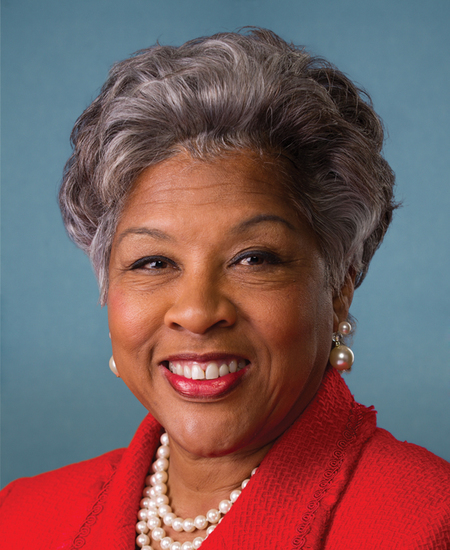
Rep. Joyce Beatty
Sponsored bills
Maddy summaryHRES 908 is a non-binding House resolution expressing support for designating October 2025 as "National Financial Planning Month." It does not create new laws or alter existing policies but aims to raise public awareness about financial planning. The resolution urges Americans to observe the month through activities like public workshops on budgeting, school financial education, and promoting access to financial planning services. It specifically highlights the role of CERTIFIED FINANCIAL PLANNER® professionals in helping individuals build emergency savings and financial stability. This resolution focuses on awareness and education, not on mandating any specific actions or funding.
Maddy summaryHRES 897 is a non-binding resolution expressing the House's support for foster youth rights, not a law creating new requirements. It formally declares that foster youth should have 10 specific rights, including staying in their original school, accessing health services, freedom from abuse, maintaining sibling contact, and regular caseworker communication. The resolution cites studies showing foster youth face higher risks of educational gaps, maltreatment, and racial disparities in the system. It does not alter existing laws but serves as a symbolic statement of congressional support based on research data.
Maddy summaryThis bill establishes a federal grant program to improve diabetes care in underserved urban and rural communities. It authorizes the Health Secretary to fund eligible providers - including community health centers, rural clinics, and tribal health departments - to deliver comprehensive services like routine diabetes treatment, prevention education, eye/foot care, and kidney disease management. Grants require providers to offer culturally appropriate care in local languages and conduct community outreach. Funding must be distributed equitably between urban and rural areas, with authorization for fiscal years 2026-2031. The program directly supports patients in medically underserved communities facing barriers to diabetes care.
Maddy summaryThis bill expands Medicare's drug price negotiation program to cover 50 drugs (up from 20) and requires health insurers to apply negotiated prices to cost-sharing for beneficiaries. It establishes annual out-of-pocket cost-sharing limits for prescription drugs under group health plans and insurance coverage, with specific limits of $2,000 for self-only coverage in 2027 that will increase annually. The bill also sets specific cost-sharing limits for insulin products, requiring coverage with no deductible and cost-sharing of no more than $35 per 30-day supply or 25% of the negotiated price. These provisions affect Medicare beneficiaries, people with group health plans, and health insurers across the country. The bill applies to plan years beginning on or after January 1, 2027.
Maddy summaryHR 6181, the John Lewis Every Child Deserves a Family Act, prohibits child welfare agencies receiving federal funds from discriminating against children, youth, or prospective foster/adoptive parents based on religion, sex (including sexual orientation and gender identity), or marital status. It directly affects LGBTQ youth in foster care - overrepresented at 30% of the system - who face higher risks of trauma, group home placements, and suicide attempts compared to non-LGBTQ peers. Key provisions require agencies to collect data on sexual orientation and gender identity, establish a National Resource Center for LGBTQ youth support, provide cultural competency training, and eliminate discriminatory practices. The law aims to improve safety, permanency, and placement stability by expanding access to family-based care and ensuring equitable services for all children in the system.
Maddy summaryThis bill establishes fairer pay and retirement benefits for federal firefighters. It requires that overtime hours worked during a firefighter's regular schedule be included in retirement calculations, improving retirement payouts. The bill also sets a maximum 60-hour regular workweek for federal firefighters, to be defined by the Office of Personnel Management within one year. These changes directly affect federal firefighters by addressing pay disparities with municipal firefighters and enhancing recruitment and retention.
Maddy summaryThe Housing Financial Literacy Act of 2025 modifies mortgage insurance premiums for first-time homebuyers who complete approved financial literacy counseling programs. It requires that such counseling be completed before signing a mortgage application or sales agreement. The bill reduces the mortgage insurance premium by 25 basis points (0.25%) below the standard rate established by the Secretary of Housing and Urban Development. This change directly affects first-time homebuyers who participate in qualifying housing counseling programs.
Maddy summaryHR 6148, the Patients Over Paperwork Act of 2025, repeals Section 71107 of Public Law 119-21, which had changed how states review Medicaid eligibility. It restores the previous rules for Medicaid eligibility redeterminations as if that section had never been enacted. This directly affects Medicaid beneficiaries and state Medicaid programs by reverting to the pre-2024 process for verifying ongoing eligibility.
Maddy summaryHR 6137 would create a new separate job code for "direct support professionals" (DSPs) within the federal Standard Occupational Classification system. This change aims to better recognize DSPs - who provide daily support for people with intellectual and developmental disabilities (like helping with daily living, community participation, and goal-setting) - as distinct from other roles like home health aides. The bill requires the Office of Management and Budget to consider this revision during the next system update, without authorizing new funding. It addresses data gaps caused by high turnover rates (39% nationally) in DSP hiring and retention.