

Maddy summaryThe FIGHT Act (HR 2742) amends the Animal Welfare Act to specifically target animal fighting events, such as cockfighting, by defining "rooster" as any male chicken over six months old and banning the live broadcasting (simulcasting) of such events. It prohibits using the postal service or interstate transport to move roosters for animal fighting purposes and adds civil enforcement tools allowing citizens to sue violators after a 60-day notice period. Fines up to $5,000 per violation may be imposed, and property used in animal fighting ventures can be seized. These changes strengthen enforcement against animal fighting by expanding legal remedies for the public and authorities.
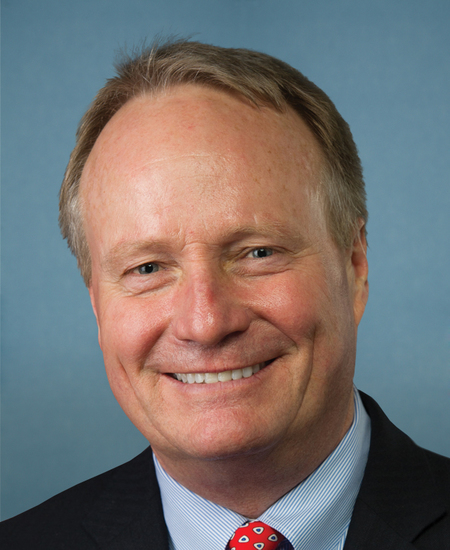
Rep. David P. Joyce
Sponsored bills
Maddy summaryHRES 375 is a ceremonial resolution supporting National Nurses Week (May 6-12, 2023), recognizing nurses' contributions to healthcare. It does not create new laws or policies but formally acknowledges nurses' roles as frontline caregivers, patient advocates, and key contributors to public health. The resolution encourages the public to observe the week through recognition and activities, highlighting nurses' impact across all healthcare settings. It directly affects the nursing profession by affirming their value, though it has no binding effect on legislation or funding.
Maddy summaryHRES 365 is a non-binding House resolution supporting efforts to reduce childhood sunburns and skin cancer risk. It encourages schools and childcare facilities to allow students to carry and use sunscreen without physician authorization (addressing current restrictions where sunscreen is treated as a prescription drug), and promotes policies for easy access to sunscreen and sun-protective clothing. The resolution also urges healthcare providers to educate parents and children about sun-safe practices during routine check-ups. It directly affects schools, camps, and childcare programs by advocating for practical changes to improve sun protection for minors.
Maddy summaryThe PAST Act of 2023 amends the Horse Protection Act to ban specific devices used to cause pain (soring) in horses at shows, particularly affecting Tennessee Walking Horses, Racking Horses, and Spotted Saddle Horses. It defines prohibited "action devices" (like boots or chains causing friction) and requires licensed, conflict-free inspectors at events to enforce rules. The bill increases penalties for violations to up to $5,000 fines or 3 years in jail, and mandates longer disqualifications for repeat offenses (180 days → 1 year → 3 years). Horse show organizers, exhibitors, and participants must comply with these new inspection and penalty requirements.
Maddy summaryHR 3238, the Affordable Housing Credit Improvement Act of 2023, updates the Low-Income Housing Tax Credit (LIHTC) program to increase the availability of affordable housing across the United States. The bill makes several key changes including increasing state funding formulas, modifying tenant eligibility rules to better serve vulnerable populations (such as domestic violence victims and students), and expanding credit eligibility for projects in rural and Native American communities. Specific provisions raise the credit for properties serving extremely low-income households, clarify rules around tenant income increases, and require housing providers to protect victims of domestic violence. The bill also updates terminology from "low-income" to "affordable" throughout the tax code and enhances program transparency through data sharing requirements. These changes aim to make the LIHTC program more effective at creating and preserving affordable housing units for low-income households nationwide.
Maddy summaryHRES 376 is a non-binding resolution expressing the House of Representatives' view that the U.S. Postal Service (USPS) must maintain door-to-door delivery for all residential and business customers. It cites concerns that ending this service would disproportionately affect elderly and disabled individuals who rely on secure, convenient mail access for essential items like medications. The resolution notes that voluntary shifts to centralized pickup in 2013 affected only 0.8% of businesses, highlighting dependence on in-person delivery for security and revenue. It urges USPS to avoid reducing door delivery or requiring customers to pay for it.
Maddy summaryHR 3148, the POWER Act, provides $20 million in federal grants to state, local, and Tribal law enforcement agencies to purchase chemical screening devices and train staff. The devices identify narcotics like fentanyl, methamphetamine, and synthetic opioids, helping officers quickly and safely analyze seized substances. Agencies must use funds to supplement, not replace, existing budgets and submit annual reports on device usage and effectiveness. The bill directly affects law enforcement agencies by enhancing their ability to investigate drug cases and share data with other agencies.
Stronger Engagement for Indian Health Needs Act of 2023 This bill elevates the current position of the Director of the Indian Health Service within the Department of Health and Human Services (HHS) to Assistant Secretary for Indian Health within HHS.
Maddy summaryHRES 362 is a symbolic House resolution recognizing elementary and secondary school teachers' contributions to U.S. civic, cultural, and economic well-being. It specifically thanks teachers and encourages students, parents, school leaders, and officials to acknowledge National Teacher Appreciation Week (May 8-12, 2023). The resolution has no binding effect or policy changes - it solely promotes public appreciation for the teaching profession through a formal expression of gratitude. It directly affects teachers by affirming their societal value but does not alter laws, funding, or educational standards.
Maddy summaryThis bill removes a restriction that previously barred people in jail or prison while awaiting trial from receiving Medicaid health benefits. It directly affects individuals in custody pending legal proceedings by allowing states to provide Medicaid coverage for their medical care during this time. The bill also allocates $50 million in planning grants to help states develop systems to enroll these individuals, recruit healthcare providers who can serve them, and establish electronic billing for services provided in correctional facilities or through outpatient care. Key provisions require states to assess healthcare needs, eliminate policy barriers, and create plans to increase provider participation in Medicaid for this population.