

Maddy summaryHR 9699, the Pay Our Troops Act, ensures military personnel and key support staff continue receiving pay during government funding gaps in fiscal year 2025. It appropriates funds to cover pay and allowances for active-duty troops, Department of Defense civilians, and qualifying contractors supporting military operations, if regular appropriations aren't enacted. The funding remains in effect until the earliest of: a new appropriations law, a funding resolution without such funding, or January 1, 2026. This bill does not change pay rates or create new policies - it guarantees existing pay continuity during budget transitions.
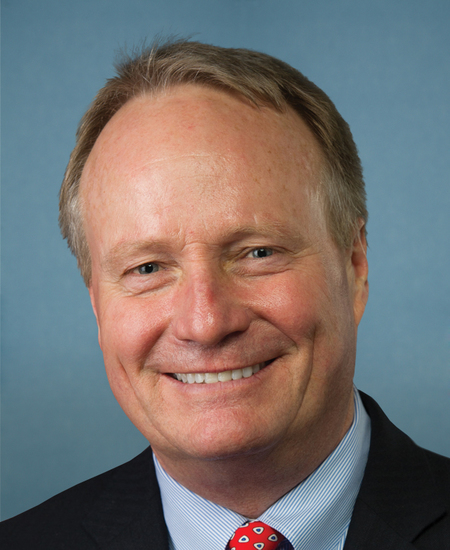
Rep. David P. Joyce
Sponsored bills
Maddy summaryThis bill (HJRES 163) is a congressional disapproval resolution targeting an Environmental Protection Agency (EPA) rule finalized on May 9, 2024. The EPA rule established new emissions standards for greenhouse gases from fossil fuel power plants (both new and existing) and repealed a previous rule called the Affordable Clean Energy Rule. The resolution would block this EPA rule from taking effect by invoking the Congressional Review Act (Chapter 8 of Title 5, U.S. Code). If passed, it would prevent the EPA rule from being enforced, directly affecting fossil fuel power plant operators and the EPA’s regulatory authority over emissions.
Maddy summaryThis bill directs the Joint Committee on the Library to procure a statue of Benjamin Franklin and place it in the U.S. Capitol. The committee must secure the statue within two years of the bill's enactment and install it in a public-accessible location by January 1, 2026, for viewing during Capitol Visitor Center guided tours. It is a procedural measure with no policy changes or direct impact on constituents or legislation.
Maddy summaryThis bill reauthorizes and updates the VA's Staff Sergeant Parker Gordon Fox Suicide Prevention Grant Program. It requires grantees to use the Columbia Suicide Severity Rating Scale (C-SRRS) for screening and mandates that veterans referred for care receive emergency services within 72 hours if not served promptly. VA medical centers within 100 miles of grant recipients must receive quarterly briefings to improve coordination. The program's deadline is extended to September 30, 2027, and grants may now use up to 5% of funds for food/non-alcoholic beverages. The changes directly affect veterans at risk of suicide, VA medical centers, and grant-funded suicide prevention programs.
Maddy summaryHRES 1447 is a non-binding resolution expressing support for designating the week of September 22-28, 2024, as "Gold Star Families Remembrance Week." It directly honors families who lost loved ones while serving in the U.S. military (referred to as "Gold Star Families") and families of veterans. The resolution encourages Americans to observe the week by performing community service and celebrating the sacrifices of fallen service members, without creating new laws or obligations. It aligns with existing recognition of Gold Star Mother’s Day (the last Sunday in September) but expands the focus to all affected families.
Maddy summaryThis bill allows VA health care professionals to prescribe controlled medications via telemedicine without requiring an in-person exam, directly affecting veterans receiving VA telehealth services. It permits prescriptions for controlled substances (like certain pain medications) when the provider is licensed under state law, acting within professional practice, and the prescription serves a legitimate medical purpose. The law requires the VA Secretary to establish regulations for this process but clarifies it doesn’t change existing Controlled Substances Act obligations. This expands access to telemedicine for veterans needing controlled medications while maintaining safety and licensing standards.
Maddy summaryHR 9178, the Veteran Prescription Safety Improvement Act, requires the Department of Veterans Affairs (VA) to expand access to state prescription drug monitoring programs (PDMPs) for VA health care providers treating veterans. It updates definitions to include VA-employed or contracted health care providers licensed by states, mandates annual training for VA pharmacy staff on PDMP best practices and state requirements, and allows VA to share veteran prescription data with state PDMPs under specific regulations. The bill directly affects VA health care providers (like doctors and pharmacists) and veterans receiving care through the VA system. These changes aim to improve prescription safety by enabling VA staff to check state drug monitoring data when prescribing medications with abuse potential, such as opioids.
Maddy summaryHR 8312, the Combat Veterans Pre-Enrollment Act of 2024, creates a 3-year pilot program allowing eligible combat veterans to pre-enroll in the VA healthcare system before separating from active duty. It directly affects service members who would qualify for VA healthcare upon separation and meet specific combat-related service criteria under existing law. The bill establishes a mechanism during the 180 days before separation, requiring coordination between VA, Defense, and Homeland Security to facilitate pre-enrollment. The program includes reporting requirements for participation rates, demographics, and a GAO evaluation of effectiveness after the pilot ends in 2027.
Maddy summaryThis bill raises the tax on investment income for private colleges and universities from 1.4% to 10% and adds a 20% rate for institutions whose tuition increases outpace inflation (defined as exceeding the Consumer Price Index over a 3-year period for all first-time, full-time undergraduates). It lowers the income threshold triggering the tax from $500,000 to $250,000, expanding the number of schools subject to the tax. The changes apply to taxable years beginning after December 31, 2024. The bill directly affects private higher education institutions with significant investment income, particularly those increasing tuition faster than inflation.
Maddy summaryHR 2971, the Veterans Claims Education Act of 2023, requires the Department of Veterans Affairs (VA) to provide veterans filing claims with clear information about free or low-cost assistance. Specifically, it mandates that veterans not represented by an accredited person receive notice about free help from veterans service organizations, an online directory of trained representatives, and how to report unaccredited representatives charging fees. The VA must also include fee warnings and links to these resources on its claim-filing websites. Additionally, the bill requires the VA to review and report on its processes for recognizing accredited representatives within 180 days of enactment.