

Maddy summaryThe Humane Cosmetics Act of 2023 bans cosmetic animal testing in the United States, prohibiting companies from conducting or contracting such testing after its enactment (effective 1 year later). It also bans selling or transporting cosmetics developed using animal testing conducted after that date within U.S. interstate commerce. The law directly affects cosmetic manufacturers, retailers, and suppliers operating in the U.S. market, requiring them to use non-animal testing methods for safety evaluations. Exceptions exist for foreign regulatory requirements or when no alternative testing methods are available for specific ingredients.
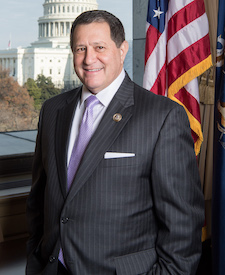
Rep. Joseph D. Morelle
Sponsored bills
Maddy summaryHRES 689 is a symbolic resolution designating October 25, 2023, as "Public Radio Music Day" and expressing the House's appreciation for public radio music stations. It directly recognizes the role of over 697 noncommercial stations serving 25.5 million weekly listeners across all 50 states, Washington D.C., Puerto Rico, and Guam. The resolution highlights how these stations support local music scenes, preserve diverse genres (like jazz, classical, and folk), and serve as community cultural hubs through programming, artist support, and educational outreach. This is a non-binding gesture of recognition, not a policy change affecting laws or funding.
Maddy summaryHR 3152, the "Fight CRIME Act," aims to maintain international restrictions on Iran's missile-related activities by requiring diplomatic efforts to extend these restrictions before they expire in October 2023. The bill mandates annual reports detailing U.S. diplomatic strategies, potential impacts of expiration, and measures to deter missile technology transfers to Iran. It establishes sanctions against foreign individuals or entities that knowingly support Iran's missile or drone programs, including asset freezes and visa restrictions. These sanctions apply regardless of whether UN restrictions remain in effect after their expiration, directly affecting foreign entities involved in these activities.
Maddy summaryHCONRES 49 establishes a 12-member Commission on Evidence-Based Policymaking to study how Congress can better use federal data for decision-making. The Commission, with balanced appointments from both parties and chambers, will analyze ways to improve access to government data, incorporate evidence into lawmaking, and recommend changes like creating a congressional Chief Data Officer. It must gain two-thirds approval for any recommendations and will report to Congress by the end of the 118th Congress. This resolution directly affects Congress by creating a formal body to evaluate data practices for future legislation.
Maddy summaryThis bill requires federal agencies to acquire and maintain opioid overdose reversal kits (like naloxone) and train employees annually on their use, effective within 270 days of enactment. It mandates these actions for all federal agencies - including the Veterans Health Administration - while providing non-mandatory guidance to private employers on similar practices. The law directly affects federal workplaces by making kits and training a requirement, and indirectly encourages private employers to adopt similar safety measures. Key provisions include a 270-day deadline for the Labor Department to issue regulations for federal agencies and non-binding guidance for other employers. The bill focuses on practical workplace safety measures without altering existing federal health or safety laws.
Maddy summaryHR 3585, the PUMP Technical Correction Act, amends the Congressional Accountability Act of 1995 to update references related to breastfeeding accommodations for congressional employees. It corrects two specific section citations in the law by adding "section 18D" and "218d" to ensure accurate coverage under existing provisions. This technical change directly affects congressional employees by clarifying the legal framework for workplace breastfeeding accommodations. The bill makes no new policy changes but ensures the law’s references align with current statutory language.
Maddy summaryHR 4277, the Saving America’s Pollinators Act of 2023, would immediately cancel all registrations for neonicotinoid pesticides (including imidacloprid and clothianidin) and ban their sale, use, and future registration. This directly affects farmers and crop producers who currently use these pesticides on over 150 million acres of crops like corn and soybeans, where seed coatings are widely applied. The bill also ends exemptions for seed-treated pesticides and requires the Environmental Protection Agency to revoke tolerances for pesticide residues in food within six months. Additionally, it mandates the U.S. Fish and Wildlife Service’s newly established Center for Pollinator Conservation to monitor native bee populations and coordinate federal actions to reverse pollinator declines.
Maddy summaryThe CARE Act of 2023 amends the program for family caregivers of veterans to improve transparency and accessibility. It requires the Department of Veterans Affairs (VA) to include relevant medical specialists in caregiver evaluations, provide detailed annual reports to Congress on application outcomes (broken down by race, gender, and service details), and clarify how eligibility decisions are made. The bill also creates a fee-free process for recognizing organizations and individuals who help veterans, family members, and caregivers navigate VA services without charging users. These changes directly affect veterans' family caregivers and VA administrative processes, focusing on clearer eligibility standards and data-driven accountability.
Maddy summaryHJRES 84 designates August 20 as "Slavery Remembrance Day" to commemorate the arrival of the first enslaved Africans in what is now Virginia on August 20, 1619. The resolution urges the President to issue an annual proclamation encouraging Americans to observe the day with ceremonies and activities reflecting on slavery's history. It specifically honors 21 Black Congress members from the Reconstruction Era as honorary cosponsors and calls for acknowledging the enduring impacts of slavery. As a symbolic resolution, it does not create new laws or directly affect any group beyond establishing an annual observance.
Erie Canal Bicentennial Commemorative Coin Act This bill directs the Department of the Treasury to mint and issue 50,000 $5 gold coins, 400,000 $1 silver coins, and 750,000 half-dollar clad coins in recognition of the bicentennial of the Erie Canal. The designs of the coins must be emblematic of the Erie Canal and its impact on the development of the United States and New York. All sales of coins issued under this bill must include a surcharge to be paid to the Erie Canalway Heritage Fund, Inc., to support the historic preservation and community development of the Erie Canalway National Heritage Corridor in New York and for educational and commemorative programs.