

Maddy summaryThis bill reauthorizes federal funding for diabetes programs targeting Type 1 diabetes. It extends annual funding of $160 million for fiscal years 2026 through 2030, continuing existing support for research, treatment, and prevention initiatives. The funds remain available until expended, directly supporting programs serving people with Type 1 diabetes and the organizations delivering these services. The bill makes no changes to program eligibility or structure, only extending current funding levels.
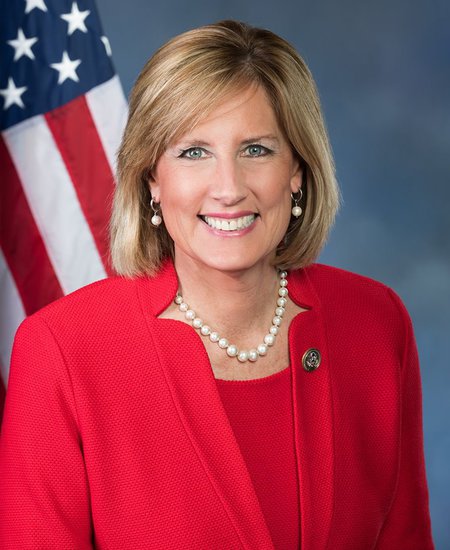
Rep. Claudia Tenney
Sponsored bills
Maddy summaryThe Choice Arrangement Act creates a new type of employer-provided health benefit called a "CHOICE arrangement" that allows employees to use employer funds to pay for health care expenses. These arrangements must meet specific requirements including nondiscrimination rules, enrollment verification, and proper notice to employees. Employers offering CHOICE arrangements can claim a tax credit of $100 per month for the first year and $50 per month for the second year for each employee enrolled. Employees in CHOICE arrangements remain eligible to purchase health insurance through the marketplace. The changes apply to plan years beginning after December 31, 2025.
Maddy summaryHR 5441, the Fusion Advanced Manufacturing Parity Act, provides a 25% tax credit for manufacturers selling specialized fusion energy components. It directly affects companies producing items like high-temperature superconducting magnets, vacuum vessels, cooling systems, and fusion targets used in fusion energy machines. The credit phases out gradually - 75% in 2032, 50% in 2033, 25% in 2034, and ends after 2034 - and applies to components produced and sold after December 31, 2025. The bill defines these components through detailed technical specifications to clarify eligible products.
Maddy summaryThis bill ensures Medicare coverage for new medical devices designated as "breakthrough devices" during a 4-year period after FDA approval. To qualify, devices must meet specific criteria, including FDA priority review, clinical data from Medicare beneficiaries, and a safety review showing benefits outweigh risks. Medicare must finalize coverage decisions within 6 months of manufacturer applications and before the 4-year period ends. The law appropriates $10 million annually (2025-2030) for Medicare to administer this process.
Maddy summaryHRES 723 is a ceremonial resolution recognizing the 180th anniversary of the United States Naval Academy, established on October 10, 2025. It formally commemorates the Academy's founding, historical contributions, and legacy of producing naval and marine leadership. The resolution highlights the Academy's role in educating graduates who have served in major conflicts, earned military honors, and held significant national leadership positions. As a symbolic gesture with no policy changes or direct impact on constituents, it serves solely to honor the institution's history and ongoing mission.
Maddy summaryThis bill ensures continued pay for specific Department of Homeland Security (DHS) personnel and Coast Guard members during government shutdowns in fiscal years 2026-2027. It directly affects DHS law enforcement officers (including those in job series like 0083, 1801, and 1811), DHS administrative and payroll staff, and Coast Guard personnel. The bill authorizes emergency funding from the Treasury to cover their pay and allowances when regular appropriations are not in place. This funding expires on January 1, 2027, or earlier if Congress passes a new appropriations bill covering these costs.
Maddy summaryHR 5401, the Pay Our Troops Act of 2026, ensures military personnel, civilian Defense workers, and supporting contractors receive pay during government funding gaps in fiscal year 2026. It appropriates emergency funds for active-duty service members, reserves, and their supporting personnel (including Coast Guard staff under DHS) if regular appropriations aren't enacted by the end of the fiscal year. The bill provides necessary pay and allowances during any period when full-year funding is unavailable, covering both active service and support roles. Funding expires when regular appropriations are passed, a funding resolution is enacted, or January 1, 2027, whichever comes first. This is a procedural measure to prevent pay delays for military and support staff during fiscal year 2026 funding lapses.
Maddy summaryHR 5413, the "No Bail Post-Jail Act," changes federal bail rules by automatically denying pretrial release to certain defendants. It directly affects adults or juveniles charged as adults with a felony who have a prior felony conviction for a crime of violence that required at least 30 days in a state or federal prison (excluding pretrial detention). The bill requires a judge to deem such individuals a danger to the community and deny bail if all three conditions are met: a felony charge, prior violent felony conviction, and prior incarceration of 30+ days. This creates a mandatory denial of bail for these specific cases without individual risk assessment.
Maddy summaryThis symbolic resolution (HRES 700) condemns the assassination of Charlie Kirk, a conservative campus advocate and founder of Turning Point USA, who was killed on September 10, 2025, at Utah Valley University. It expresses the House's deepest condolences to Kirk’s family, including his wife and children, and honors his work promoting civil discourse among college students. The resolution does not create new laws or policies but serves as a formal expression of the House’s stance on the incident. It directly affects no individuals or groups through legislative action, as it is purely a ceremonial statement.
Maddy summaryHRES 702 is a symbolic resolution condemning the September 10, 2025, assassination of Charlie Kirk, founder of Turning Point USA and a conservative political activist. It expresses condolences to his family, praises first responders, and reaffirms the right to peaceful assembly. As a non-binding resolution, it does not create new laws or policies but serves as a formal statement of condemnation. The resolution directly addresses the House of Representatives' stance on this event, with no direct impact on constituents or legislation.