

Maddy summaryThis bill, HR 5973, requires federal immigration enforcement personnel to follow strict limits on force use, including proportional application, mandatory de-escalation efforts, and prohibitions on equipment like flash bangs or rubber bullets except for specific public safety threats. It mandates body-worn and vehicle cameras for all operations, with footage retained for one year (three years for force incidents or complaints), and grants affected individuals the right to inspect recordings. The law also requires annual training on force policies, First Amendment compliance, and racial bias avoidance, while demanding detailed quarterly reports to Congress on force usage, assaults on agents, and equipment approvals. These provisions directly affect all federal immigration agents conducting enforcement actions, aiming to increase transparency and accountability during operations.
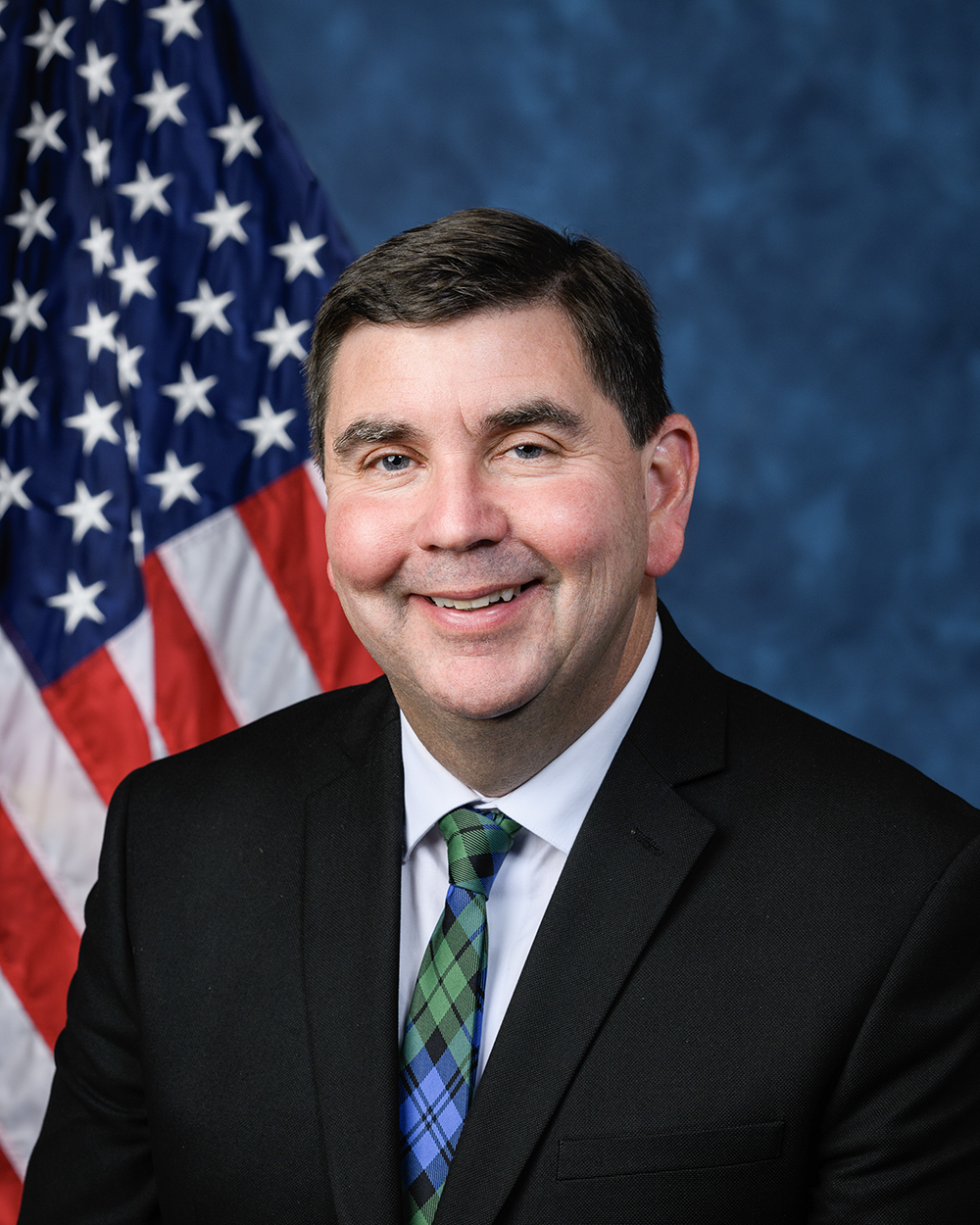
Rep. John W. Mannion
Sponsored bills
Maddy summaryThis joint resolution designates October 2025 as Head Start Awareness Month to symbolically recognize the program's 60-year impact. It highlights Head Start's service to over 40 million children and families nationwide, emphasizing its role in early childhood development, health screenings, and educational support. The resolution serves as a ceremonial acknowledgment of the program's legacy and achievements, not as a policy change or funding measure. It was introduced by multiple representatives to honor Head Start's contributions to child well-being and educational outcomes.
Maddy summaryThis bill increases federal funding for school meal programs by adding 45 cents per lunch and 28 cents per breakfast served by school food authorities, effective November 1, 2025. The additional reimbursement applies to all meals served, including free, reduced-price, and paid meals, and will be adjusted annually for inflation starting July 1, 2026. It directly affects public schools and school districts participating in the National School Lunch and Breakfast Programs by boosting their per-meal funding. The policy change aims to support meal quality and accessibility without altering eligibility requirements or program administration.
Maddy summaryThis bill establishes the New York-New Jersey Watershed Restoration Program to coordinate and fund habitat restoration and water quality improvements across the shared watershed region. It creates a competitive grant program providing federal matching funds (up to 90% for small/rural/disadvantaged communities) to state/local governments, nonprofits, and tribes for projects advancing habitat restoration, climate resilience, and public access. The program prioritizes communities facing environmental injustice and requires coordination with existing regional conservation plans like the Hudson River Estuary Program. Funding of $20 million annually (2026-2031) will support these activities, with 75% dedicated to the grant program and all projects supplementing existing conservation efforts.
Keep Air Travel Safe Act This bill provides continuing appropriations for the Transportation Security Administration (TSA) during any period in which there is a lapse in appropriations for TSA. It also requires the continuing appropriations to be funded using certain unobligated funds that were provided to U.S. Immigration and Customs Enforcement by the One Big Beautiful Bill Act. The bill provides the appropriations for TSA to continue all programs, projects, or activities (including the costs of direct loans and loan guarantees) that were funded in the preceding fiscal year. The appropriations provided by this bill are available from the first day of a lapse in appropriations for TSA until the earlier of the date on which the applicable regular appropriations bill for the fiscal year becomes law or a joint resolution making continuing appropriations becomes law, or the date that is 180 days after the first day of a lapse in appropriations.
Maddy summaryThis bill makes federal funding for the WIC program mandatory by requiring Congress to appropriate necessary funds annually for fiscal year 2026 and each subsequent year. It removes discretionary language from WIC funding requirements and clarifies that eligible participants must be served without participation limits. The bill directly affects low-income pregnant women, new mothers, and young children who rely on WIC for nutrition assistance, ensuring continued access to critical food, health, and education services.
Maddy summaryHRES 793 is a non-binding resolution supporting the designation of October 2025 as "National Learning Disabilities Awareness Month." It highlights that specific learning disabilities affect 32% of students receiving special education services, with over 96% of affected 4th and 8th graders lacking reading proficiency and 92% lacking math proficiency in 2023-2024. The resolution calls on schools to continue providing free appropriate public education for these students, emphasizing evidence-based instructional methods. This is a symbolic measure with no new funding or mandates, aimed at raising awareness about learning disabilities and educational gaps.
Maddy summaryThis bill requires Medicare, Medicaid, CHIP, and federal employee health plans to cover medically necessary specialized foods, vitamins, and amino acids for people with specific digestive and metabolic conditions. It defines "medically necessary food" as prescribed formulas, vitamins, and amino acids designed for conditions like inherited metabolic disorders, inflammatory bowel disease, and severe food allergies that cannot be managed through regular diet. The bill mandates coverage of these items and necessary equipment for administration (like feeding tubes), with Medicare covering 80% of costs. This would directly benefit thousands of patients who rely on these specialized treatments to avoid serious health complications like malnutrition, hospitalizations, and developmental issues.
Maddy summaryHR 5689, the "Shutdown Guidance for Financial Institutions Act," requires federal banking regulators (like the Fed and FDIC) to issue guidance within 180 days of enactment. The guidance directs financial institutions to help consumers and businesses affected by government shutdowns - such as furloughed federal workers, District of Columbia employees, or contractors with reduced income - by offering flexible payment options, modifying loan terms, and preventing temporary payment difficulties from harming credit scores. Regulators must also issue a press release within 24 hours of a shutdown starting to notify institutions and the public. The bill mandates a post-shutdown report to Congress within 90 days and potential guidance updates if issues arise.
Maddy summaryThis bill adds Medicare coverage for multi-cancer early detection screening tests (blood or biological tests analyzing cell-free DNA) starting January 1, 2028. It directly affects Medicare beneficiaries aged 68 and older (starting in 2028, with the age limit increasing by 1 year annually), requiring tests to be FDA-cleared and deemed reasonable/necessary by the Secretary for early cancer detection across multiple organ sites. Payment will initially match current stool DNA test rates before 2031, then shift to a lower rate or new payment system after 2031, with limits preventing more than one test per year. The bill explicitly states it does not alter coverage for existing cancer screenings like breast, colorectal, or prostate cancer tests.