

Maddy summaryHR 4398, the Veteran Burial Timeliness and Death Certificate Accountability Act, requires Veterans Affairs (VA) physicians or nurse practitioners to certify the death of a veteran who dies of natural causes within 48 hours of learning of the death. This directly affects veterans' families, who previously faced delays of up to eight weeks in burial and access to survivor benefits due to slow death certifications. The bill mandates annual reports to Congress on VA compliance with the 48-hour rule, including statistics on delays and their causes. The key change is establishing a strict timeline for death certification to prevent unnecessary delays in honoring veterans' final arrangements.
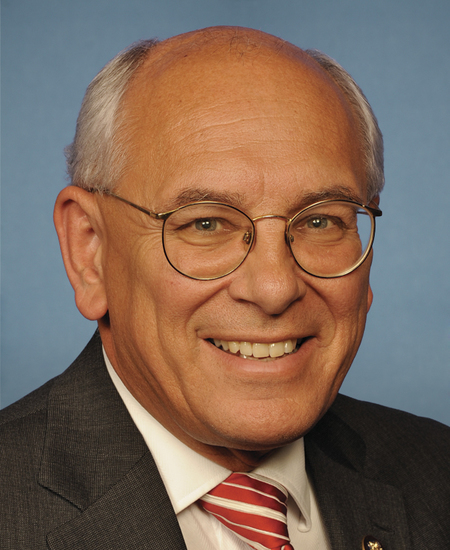
Rep. Paul Tonko
Sponsored bills
Maddy summaryThe SAFE Training for OB-GYNs Act creates a new federal grant program to help medical residents who must leave their home states to receive training in reproductive health care due to local abortion restrictions. Funded with up to $10 million annually from 2027 to 2031, these grants support residency programs that offer specialized training in sexual and reproductive health, including abortion care. The funding can be used to expand existing programs or establish new ones specifically for out-of-state residents and to cover their travel expenses. This legislation directly affects health care professionals seeking specialized training and the medical residency programs that provide it.
Maddy summaryThe Latonya Reeves Freedom Act of 2026 strengthens the Americans with Disabilities Act to ensure individuals with long-term service and support needs have a federally protected right to live in their communities rather than institutions. It requires states and insurance providers to offer community-based services that allow people to maintain independence, control their own care, and access affordable, integrated housing. The bill mandates that public entities and insurers create enforceable transition plans to move people out of institutions, conduct self-evaluations to identify barriers, and establish clear grievance procedures for resolving complaints. Enforcement is handled by the Department of Justice, which can investigate violations, while individuals may also file civil lawsuits to seek damages or court orders preventing institutionalization.
Maddy summaryThis joint resolution expresses Congress's disapproval of a specific federal rule issued by the Centers for Medicare & Medicaid Services regarding the Affordable Care Act and the Basic Health Program for 2027. If passed, the measure would legally nullify the rule, preventing it from taking effect. The bill directly impacts the administration of healthcare benefits and payment parameters for the upcoming year by rejecting the proposed guidelines.
Maddy summaryThis resolution formally recognizes Avoidant/Restrictive Food Intake Disorder (ARFID) as a serious eating disorder that causes significant health and developmental problems without involving body image issues. It highlights the need for better public and medical awareness to ensure early detection, particularly in children, and calls for increased research into the disorder's genetic and biological causes. The bill urges federal and local agencies to improve screening practices in healthcare and schools, while also advocating for expanded access to multidisciplinary treatments like nutrition and behavioral therapy.
Maddy summaryThis resolution commemorates the 10th anniversary of the 2016 Pulse nightclub shooting in Orlando, Florida, which was an act of domestic terrorism. It formally honors the names of the victims and expresses condolences to their families while acknowledging the bravery of law enforcement and emergency responders who responded to the tragedy. The document also reaffirms support for the LGBTQ+ community and calls for continued efforts to improve gun safety and mental health legislation.
Maddy summaryThe Keep Public Funds in Public Schools Act of 2026 eliminates a federal tax credit that allowed parents to deduct contributions to scholarship granting organizations from their income. By removing these specific tax breaks, the bill prevents the use of public tax dollars to support private school vouchers and scholarship programs. This change directly affects families who currently rely on these tax incentives to fund education outside the public school system. The provisions take effect for taxable years beginning after December 31, 2026.
Maddy summaryThis joint resolution seeks to reject a specific rule issued by the Department of Health and Human Services regarding the Child Care and Development Fund. By invoking a statutory process, the bill aims to prevent the rule from taking effect, which would stop the Department from implementing the proposed changes to child care funding flexibility. The measure directly impacts the administration of federal child care assistance programs and affects families and organizations relying on the CCDF. If passed, the original regulations published in May 2026 would be nullified and have no legal force.
Maddy summaryThe Timeshare Transparency Act requires timeshare companies to provide buyers with a single document detailing all acquisition and maintenance costs, potential fee changes, exit options, and a 14-day penalty-free cancellation period. Before signing an agreement, consumers must have a chance to review these documents independently, away from company employees. The Federal Trade Commission is authorized to enforce these requirements and issue necessary rules, treating violations as unfair or deceptive practices. This law applies to agreements made after a 90-day waiting period and does not prevent states from enforcing stricter consumer protections.
Maddy summaryThis bill, known as the Double the Wage for Overtime Act of 2026, aims to change how overtime pay is calculated for employees covered by the Fair Labor Standards Act. It directly affects workers who currently earn less than $23,660 annually, as it would require employers to pay them two times their regular hourly rate instead of one and a half times for hours worked beyond 40 in a week. The law takes effect 180 days after it is signed, ensuring a transition period before the new pay requirements begin. By raising the overtime multiplier, the legislation seeks to increase earnings for hourly workers who work extra hours.