

Maddy summaryThe Drug Deal Disclosure Act requires the Department of Health and Human Services to publicly release records of specific agreements between the federal government and major drug manufacturers starting in 2025. These agreements must include provisions such as offering lower drug prices based on international rates, providing discounts through government platforms like TrumpRx, or receiving special exemptions from import duties and regulatory reviews. While the bill mandates that most documents be made available in a searchable format, it allows the government to withhold only specific confidential pricing details if legally required by foreign laws or court orders, provided a justification is published. Additionally, the law directs the Congressional Budget Office and the Government Accountability Office to analyze the economic and budgetary impacts of these deals, including effects on Medicare, Medicaid, and drug competition.
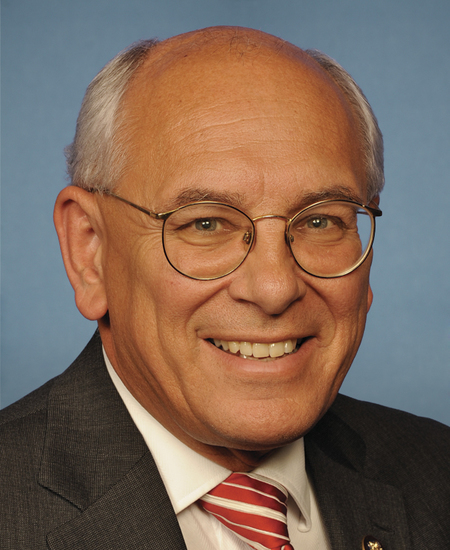
Rep. Paul Tonko
Sponsored bills
Maddy summaryThis bill requires Medicare Advantage plans to implement electronic pre-approval systems for medical services by 2028 and meet transparency reporting standards starting in 2027. Plans must publicly report data on approval/denial rates, appeal outcomes, response times, and technology use for pre-approval requests, including details on how denials relate to clinical criteria. It establishes a 24-hour response timeframe for certain requests and mandates annual reviews of pre-approval requirements based on data and input from seniors and providers. The law directly affects Medicare Advantage plans, seniors enrolled in these plans, and healthcare providers who submit pre-approval requests. These changes aim to make the pre-approval process faster, more transparent, and more accountable for seniors seeking covered medical services.
Maddy summaryThe High Court Gift Ban Act prohibits federal judicial officers from accepting gifts from sources likely to appear before them, unless the gift is under $50, the total annual value from that source remains $100 or less, or it falls under specific exceptions like gifts from relatives or public events. The law defines a "gift" broadly to include items, services, and reimbursements, while allowing exceptions for personal hospitality within IRS limits and certain professional benefits available to the general public. Enforcement mechanisms include referrals to the Attorney General for violations, which can result in civil or criminal penalties similar to those for other federal ethics breaches. The bill requires the Supreme Court and the Judicial Conference to create implementing regulations within 180 days of enactment to ensure compliance.
Maddy summaryThis resolution expresses support for designating July 10th as Journeyman Lineworkers Recognition Day to honor the workers who maintain the nation's electrical grid. The bill specifically recognizes the dangerous conditions these employees face, such as working at heights near live power lines and responding to disasters like hurricanes and wildfires. It also commemorates Henry Miller, the first president of the International Brotherhood of Electrical Workers, who died on July 10, 1896, while performing his duties. Ultimately, the measure encourages the public to observe this day with reflection on the contributions of lineworkers.
Maddy summaryThis bill extends federal funding for school-based health centers through fiscal year 2031. It directly affects schools and community organizations that operate health centers providing medical care to students. The key provision increases the annual grant amount to $55 million per year for the five-year period. This change ensures continued financial support for programs that offer healthcare services directly within educational settings. The legislation does not alter eligibility requirements or program structure, only the funding timeline and amount.
Maddy summaryHRES 1405 is a non-binding resolution that encourages the U.S. House of Representatives to recognize June as LGBTQIA+ Pride Month. The document acknowledges the historical significance of events like the Stonewall Inn uprising and highlights the ongoing struggle for equality faced by lesbian, gay, bisexual, transgender, queer, intersex, and asexual individuals. It includes a detailed list of historical milestones and legislative achievements related to LGBTQIA+ rights to provide context for the celebration. Because this measure is a resolution of recognition rather than a law, it does not create new legal obligations or change federal policy.
Maddy summaryThis resolution expresses the House of Representatives' support for the goals of Alzheimer's and Brain Awareness Month, which takes place in June. It aims to raise public awareness about Alzheimer's disease and other forms of dementia while encouraging individuals to educate themselves and advocate for better research and care services. The document highlights the significant impact of these conditions on millions of Americans and calls for increased support for patients, their families, and caregivers.
Maddy summaryThis bill establishes a new grant program administered by the National Endowment for the Arts to document the history, culture, and daily life of Americans in celebration of the nation's 250th anniversary. The program will provide funding to eligible nonprofit organizations, state arts agencies, and commissions to hire writers, photographers, and artists to create written, photographic, and digital works covering diverse communities across all regions of the United States. To ensure comprehensive coverage, the bill requires the NEA to appoint an advisory panel to set guidelines and mandates that the resulting projects collectively reflect the full breadth of American experience, from urban centers to rural and Tribal areas. Additionally, the legislation directs the creation of a public repository and an archive at the Library of Congress to preserve and distribute these works, while prohibiting the requirement for recipients to match the grant funds with their own money.
Maddy summaryThe Residential Recovery for Seniors Act expands Medicare coverage to include three specific levels of residential treatment for substance use disorders: clinically managed low-intensity, clinically managed high-intensity, and medically managed services. To qualify for this coverage, facilities must meet strict standards regarding staffing, clinical assessments, and adherence to evidence-based criteria developed by recognized medical associations. The bill also establishes a new payment system that reimburses these facilities on a per-day basis, starting in fiscal year 2027, with rates initially set to cover 100% of their estimated costs.
Maddy summaryThe LIFT the BAR Act aims to restore access to federal benefits for lawfully present noncitizens by repealing several restrictions imposed by the 1996 welfare reform law and a 2024 reconciliation bill. Specifically, it would allow eligible noncitizens to receive SNAP food assistance, Medicaid, CHIP, and child nutrition programs, while also updating legal terminology to refer to "noncitizens" rather than "aliens" in relevant statutes. The legislation includes provisions to ensure these individuals can qualify for premium tax credits and would require federal agencies to issue implementation guidance within 180 days of enactment.