

Maddy summaryThis bill authorizes $5 million annually (2026-2031) for the CDC to establish a research program focused on cerebral palsy. It directs the CDC to study diagnosis, treatment, prevention factors, health costs, and public health surveillance related to cerebral palsy, including evaluating impacts across different populations. The program aims to address gaps in understanding the condition - where 80% of causes are unknown - and support better care for the estimated 1 million Americans affected. This research funding directly benefits the CDC and researchers, with potential long-term benefits for people with cerebral palsy and their families.
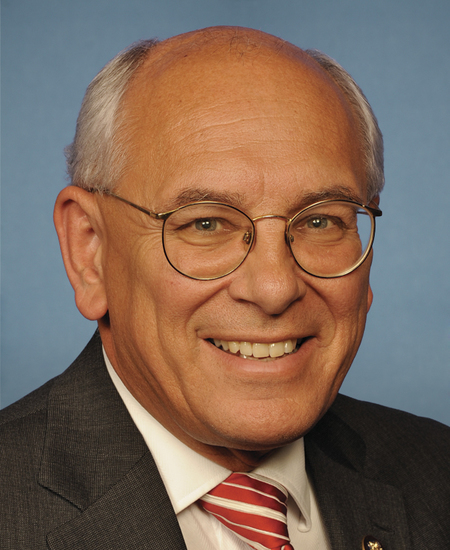
Rep. Paul Tonko
Sponsored bills
Maddy summaryHR 2207, the Saving DOE’s Workforce Act, prohibits the Department of Energy from implementing layoffs or involuntary separations of employees until after Congress enacts full fiscal year 2026 funding. It specifically protects federal workers in competitive service positions, career roles in excepted service, and senior executive leadership roles. The bill allows separations only for documented misconduct, inefficiency, or delinquency following standard disciplinary procedures, without affecting existing personnel authority.
Maddy summaryThis bill (HR 2199) prevents private health insurance plans from discriminating against patients with end-stage kidney disease (ESRD) who require dialysis. It amends the Social Security Act to prohibit plans from treating dialysis coverage differently than other medical services or applying network restrictions that disproportionately harm ESRD patients. The law clarifies that plans cannot deny or limit benefits for dialysis based on a patient’s diagnosis, while preserving a plan’s right to choose which dialysis providers are in their network. It directly affects ESRD patients and their private health insurance coverage, ensuring dialysis is treated equally with other covered medical services. The bill does not require plans to include specific dialysis providers but stops them from unfairly restricting access to necessary care.
Maddy summaryThis bill delays two Medicare billing deadlines for ground ambulance services from 2025 to 2028. It amends the Social Security Act to extend the timeline for implementing specific billing rules under Section 1834(l). The change directly affects Medicare ambulance providers by postponing compliance deadlines for billing requirements. No new services or funding are created - only a technical extension of existing timelines.
Maddy summaryThe Air America Act of 2025 authorizes one-time payments of $40,000 to individuals who worked for Air America or its affiliated companies for at least five years during 1950-1976, or to their surviving spouses, children, or dependents. Additional payments of $8,000 per full year beyond five years are allowed. The program is capped at $60 million total funding, with claims required within two years of final regulations. Payments are a single lump sum with no ongoing benefits, and the bill explicitly states it does not create new entitlements beyond this one-time award.
Maddy summaryThis bill prohibits the National Science Foundation (NSF) from implementing layoffs or involuntary employee separations until after full-year funding for fiscal year 2026 is secured. It directly affects NSF employees in competitive service, excepted service, and the Senior Executive Service by blocking workforce reductions. The key provision creates a temporary moratorium on layoffs, with exceptions only for separations due to misconduct, inefficiency, or delinquency. This applies until Congress enacts the full FY2026 budget, adding a specific timeline to existing federal personnel rules.
Maddy summaryHR 2210, the Saving NASA’s Workforce Act, prohibits NASA from initiating or implementing reductions in force or involuntary separations of most employees until after full-year funding for fiscal year 2026 is enacted. It specifically protects employees in competitive service, excepted service, and the Senior Executive Service from being laid off, except for cause related to misconduct, inefficiency, or delinquency. The bill applies to all standard personnel actions under federal law and does not affect existing authority for disciplinary separations. This moratorium directly affects NASA’s workforce by preventing layoffs during the current funding cycle.
Maddy summaryHR 2209, the Saving NIST’s Workforce Act, prohibits the National Institute of Standards and Technology (NIST) from implementing layoffs or involuntary employee separations (except for misconduct, inefficiency, or delinquency) until after full-year funding for NIST’s fiscal year 2026 budget is enacted. The bill directly affects all NIST employees in the competitive service, excepted service, and senior executive roles by blocking workforce reductions during this period. Key provisions require NIST to maintain current staffing levels through the end of FY2026, unless Congress passes a full-year appropriations bill for that year. This is a procedural measure focused on preserving NIST’s current workforce structure, not creating new programs or altering funding levels.
Maddy summaryThe Saving NOAA’s Workforce Act (HR 2211) prohibits the National Oceanic and Atmospheric Administration (NOAA) from initiating layoffs or involuntary separations of most employees until after full-year funding for fiscal year 2026 is approved. It specifically blocks reductions in force or involuntary separations for competitive service, excepted service career employees, and Senior Executive Service members, except for cause (like misconduct or inefficiency). This bill directly affects NOAA’s workforce by preserving current employment status through the 2026 budget cycle.
Preserving Patient Access to Home Infusion Act This bill specifically includes pharmacy services and home infusion drugs that are administered without a pump as part of covered home infusion therapy under Medicare. The bill also allows nurses and physician assistants to establish and review the plan of care for home infusion therapy, and it specifies that payment may be made regardless of whether a practitioner is physically present in the home at the time the drug is administered.