

Maddy summaryThe Rx ACCESS Act improves prescription drug access for TRICARE beneficiaries, including military service members, retirees, and their families, by establishing fair reimbursement standards for pharmacies and expanding medication choice. It requires pharmacies to be reimbursed at actual drug costs (or the national average drug cost for certain medications) plus a standard dispensing fee, while banning hidden fees like point-of-sale charges. Starting October 1, 2026, beneficiaries can choose how they receive non-generic medications for ongoing health conditions. The law also mandates annual audits to verify reimbursement fairness and ensure pharmacy networks provide accessible care, especially in rural and underserved areas.
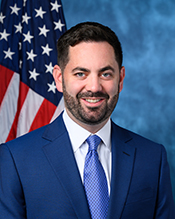
Rep. Michael Lawler
Sponsored bills
Maddy summaryHR 6403 expands eligibility for homeless children and youth services to include those verified as homeless through other federal programs (like Head Start, domestic violence assistance, or youth services), with verification timelines extended from 14 to 30 days. The bill requires annual public reporting of detailed homeless data - including age, disability status, and length of homelessness - to HUD, and prohibits service providers from prioritizing specific subpopulations without local data justification. It directly affects homeless youth under 24, unaccompanied youth, and families with children, ensuring consistent access to education, housing, and support services across federal programs.
Maddy summaryThe Hire Student Veterans Act expands the Work Opportunity Tax Credit to include veterans enrolled in school using educational benefits from VA or military programs (such as the GI Bill). Employers hiring these veterans can claim a tax credit, making it easier to recruit students using benefits under specific VA or military education programs. The bill modifies the minimum employment requirement for these veterans, excluding them from standard work duration rules that apply to other credit-eligible hires. These changes take effect for veterans hired after the bill becomes law.
Maddy summaryThe Global Child Thrive Reauthorization Act of 2025 extends the authorization period for the Global Child Thrive program - which provides U.S. foreign assistance to support orphans and vulnerable children globally - from 2025 to 2030. It requires the Secretary of State to appoint a Special Advisor for Assistance to Orphans and Vulnerable Children within 90 days of enactment. The bill also extends the time period for issuing implementing directives under the Foreign Assistance Act. This legislation ensures continued U.S. funding and coordination for international child welfare programs.
Maddy summaryThis bill establishes a new interagency Task Force to dismantle foreign scam operations targeting Americans, particularly through "pig butchering" scams in Southeast Asia. The Task Force, chaired by the Secretary of State, will coordinate efforts across multiple agencies to shut down scam centers, impose sanctions on perpetrators, and support victims of trafficking. It requires a detailed strategy within 180 days and annual reports to Congress on progress, including sanctions imposed and funds recovered. The bill authorizes $30 million for these efforts in fiscal years 2026-2027, focusing on countries like Cambodia, Laos, and Burma where scam centers operate with forced labor.
Maddy summaryHR 5021, the American Decade of Sports Act, requires the U.S. Department of State to create a formal 5-year strategy (updated every 5 years) for using major international sporting events hosted in the U.S. between 2024 and 2034 - including the 2026 World Cup and 2028 Olympics - to strengthen diplomatic ties and promote U.S. soft power. It mandates renaming the State Department’s sports diplomacy division as the Office of Sports Diplomacy, adding at least 3 dedicated staff members, and coordinating with host cities, sports leagues, and visa agencies to streamline international visitor access. The strategy must detail diplomatic goals, partnerships with local communities and the sports industry, and plans for cultural exchange, while requiring annual progress reports to Congress until 2034. This bill directly affects the State Department, host cities, international athletes, and diplomatic engagement efforts.
Maddy summaryThis bill would amend the Anti-Terrorism Act of 1987 to designate the Muslim Brotherhood as a terrorist organization and prohibit its operations within the United States. It would require the President to designate the Muslim Brotherhood as a foreign terrorist organization under immigration law and impose new visa restrictions, including immediate revocation of current visas, for individuals identified as members. The bill mandates annual reports from the Secretary of State identifying Muslim Brotherhood branches worldwide and determining which should be designated as terrorist organizations under existing laws. These provisions would directly affect Muslim Brotherhood members, branches, and affiliated organizations seeking entry to or operating within the United States.
Maddy summaryThis bill would remove restrictions on U.S. military exports to the Republic of Cyprus, allowing the Cypriot government to purchase U.S. defense equipment and services. It directly affects Cyprus by enabling access to U.S. defense articles and services, which were previously subject to a policy of denial. The key mechanism eliminates the denial policy for such exports, with exceptions if credible human rights concerns exist, and requires annual congressional certifications to maintain the policy beyond a 5-year period (based on Cyprus's cooperation with U.S. anti-money laundering efforts and denying Russian military vessels port access). The bill does not create new programs but changes existing export restrictions.
Maddy summaryThis bill requires U.S. agencies maintaining federal sanctions lists to notify each other within 30 days when an individual or entity is added to one list, then review whether they should be added to other lists within 90 days. It applies to six specific sanctions lists, including Treasury’s blocked persons list, Commerce’s Entity List, and Defense’s military end-user list. Agencies must report to Congress within one year on how they implemented the coordination process and whether it led to additional sanctions. The goal is to prevent gaps where sanctioned parties could evade restrictions by operating outside a single list’s scope.
Maddy summaryHR 1848, the Houthi Human Rights Accountability Act, requires the U.S. State Department and USAID to submit three reports within 180 days of enactment: one on Houthi indoctrination efforts in Yemen, one on obstacles to humanitarian aid in Houthi-controlled areas, and one on human rights abuses committed by the Houthis (including child soldier recruitment and enforced disappearances). The bill mandates annual sanctions determinations under existing laws against Houthi members who restrict aid or commit human rights violations. It directly targets the Houthi group (Ansarallah) in Yemen, focusing on accountability for their actions. The legislation expires five years after enactment.