

Maddy summaryHR 4249, the VET PFAS Act, provides healthcare benefits to veterans and their families exposed to PFAS chemicals at military bases. Veterans who served at contaminated bases (including through water sources) and developed specific conditions like testicular cancer, ulcerative colitis, or pregnancy-induced hypertension become eligible for VA healthcare without needing medical proof of cause. Family members who lived at these bases or were in utero during such residence also qualify for covered conditions. The bill creates a "presumption of service connection" for these illnesses, meaning the VA assumes PFAS exposure caused the condition. It requires annual VA reports tracking beneficiaries, denials, and conditions treated.
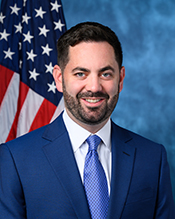
Rep. Michael Lawler
Sponsored bills
Maddy summaryThis non-binding House resolution (HRES 648) reaffirms the U.S. commitment to Kosovo as a close partner, stating it remains U.S. policy to support Kosovo's recognition as a sovereign, independent, democratic state within its recognized borders. It highlights existing U.S.-Kosovo cooperation on security, economic development (including a $202 million energy compact), and Kosovo's role in accepting Afghan refugees. The resolution emphasizes shared democratic values and U.S. support for Kosovo's integration into international institutions like the UN and NATO. As a procedural resolution, it does not create new laws but formally expresses congressional support for ongoing U.S. policy toward Kosovo.
Maddy summaryThe INSPECT Act requires the Nuclear Regulatory Commission (NRC) to assign a resident inspector to every permanently closed commercial nuclear power plant. The inspector monitors decommissioning work and the transfer of spent nuclear fuel from storage pools to dry storage facilities. The assignment lasts only for the duration of the fuel transfer process, ending once all fuel has been moved. If a plant has no active decommissioning or fuel transfer work, the NRC may reassign the inspector to other duties. This directly affects decommissioning nuclear plants and aims to ensure safety during fuel handling.
Maddy summaryHR 5113, the REACH Our Tribes Act, requires the U.S. Department of Agriculture to establish an annual consultation process with Tribal Governments on budget requests and program reauthorizations (like farm bills), including 30 days' notice before meetings and public reports summarizing discussions and responses. It also mandates USDA to publicly report on funding provided to Tribal entities through its programs and improve outreach for underutilized programs. Additionally, the bill creates an interagency task force to streamline application requirements for economic development programs and a public online repository listing all federal economic development programs available to tribes. These provisions directly affect Tribal Governments and Tribal entities (including tribes, tribal organizations, and businesses) by enhancing their input in budget decisions and improving access to federal resources.
Maddy summaryThis bill reauthorizes the National Dam Safety Program through 2028 by updating the expiration date in existing law from 2023 to 2028 across all program provisions. It extends the federal program that funds dam safety inspections, risk assessments, and emergency planning efforts. The program directly affects dam owners (including state agencies and private operators) and communities living near dams by maintaining current safety oversight standards. No new requirements or funding levels are added; it simply continues the existing program structure.
This resolution honors and recognizes the patriotism and contributions made by generations of veterans service organizations, veteran advocacy groups, and volunteers and commends the members of such organizations for their dedicated service to members of the Armed Forces, veterans, their families, and their communities. The resolution also encourages the people of the United States to promote awareness of the contributions and dedication of members of veterans service, organizations, veteran advocacy groups, and volunteers to members of the Armed Forces, veterans, and their families. Additionally, the resolution calls on citizens to follow the example of such groups and volunteer support and services to those who have served the country.
Maddy summaryHR 5127, the Visitor Visa Wait Time Reduction Act, requires the State Department to report on consular posts with visitor visa interview wait times exceeding 100 days and to take steps to reduce those waits. If wait times at any post exceed 300 days, the Secretary must temporarily reassign State Department personnel to assist consular staff at that location. The bill directly affects U.S. embassies and consulates handling visitor visa applications and the applicants waiting for interviews. It mandates specific administrative actions to address processing delays but does not change visa eligibility or fees. The focus is on improving internal staffing efficiency at consular posts, not altering immigration policy.
Maddy summaryThis bill amends the Workforce Innovation and Opportunity Act to require states receiving federal workforce development funds to prioritize programs based on evidence of effectiveness. Specifically, states must describe in their plans how they will give highest priority to "high-evidence" programs (proven through multiple rigorous studies), followed by "moderate-evidence" programs, and then "low-evidence" programs. The bill defines these evidence tiers clearly, requiring states to fund interventions shown to produce positive results in well-conducted studies or credible research. This directly affects state workforce agencies managing federal grants under WIOA.
Erie Canal Bicentennial Commemorative Coin Act This bill directs the Department of the Treasury to mint and issue 50,000 $5 gold coins, 400,000 $1 silver coins, and 750,000 half-dollar clad coins in recognition of the bicentennial of the Erie Canal. The designs of the coins must be emblematic of the Erie Canal and its impact on the development of the United States and New York. All sales of coins issued under this bill must include a surcharge to be paid to the Erie Canalway Heritage Fund, Inc., to support the historic preservation and community development of the Erie Canalway National Heritage Corridor in New York and for educational and commemorative programs.
Maddy summaryHRES 636 is a non-binding House resolution condemning China's implementation of the Hong Kong national security law and related actions undermining Hong Kong's autonomy. It specifically criticizes the law's use to arrest over 200 people - including activists like the "Hong Kong 47" and media figure Jimmy Lai - and alleges it has eroded Hong Kong's independent judiciary, freedoms of speech and assembly, and its status as a separate financial hub. The resolution urges governments to hold China accountable, calls for dropping all national security law charges against detained activists, and questions Hong Kong's continued separate voting rights at international organizations. As a symbolic statement, it does not create new legal requirements but aligns with the existing Hong Kong Human Rights and Democracy Act by advocating for accountability measures.