

Maddy summaryHR 7740, the African American History Act of 2026, authorizes $4 million annually for the National Museum of African American History and Culture to develop educational resources and support teaching about African American history. The bill directs the museum to create digital and print materials, provide teacher training, and expand access to curriculum resources for K-12 and college classrooms. It requires annual reports to Congress on fund usage and expires in 2030. This program directly affects educators and students by enhancing classroom materials and professional development on African American history.
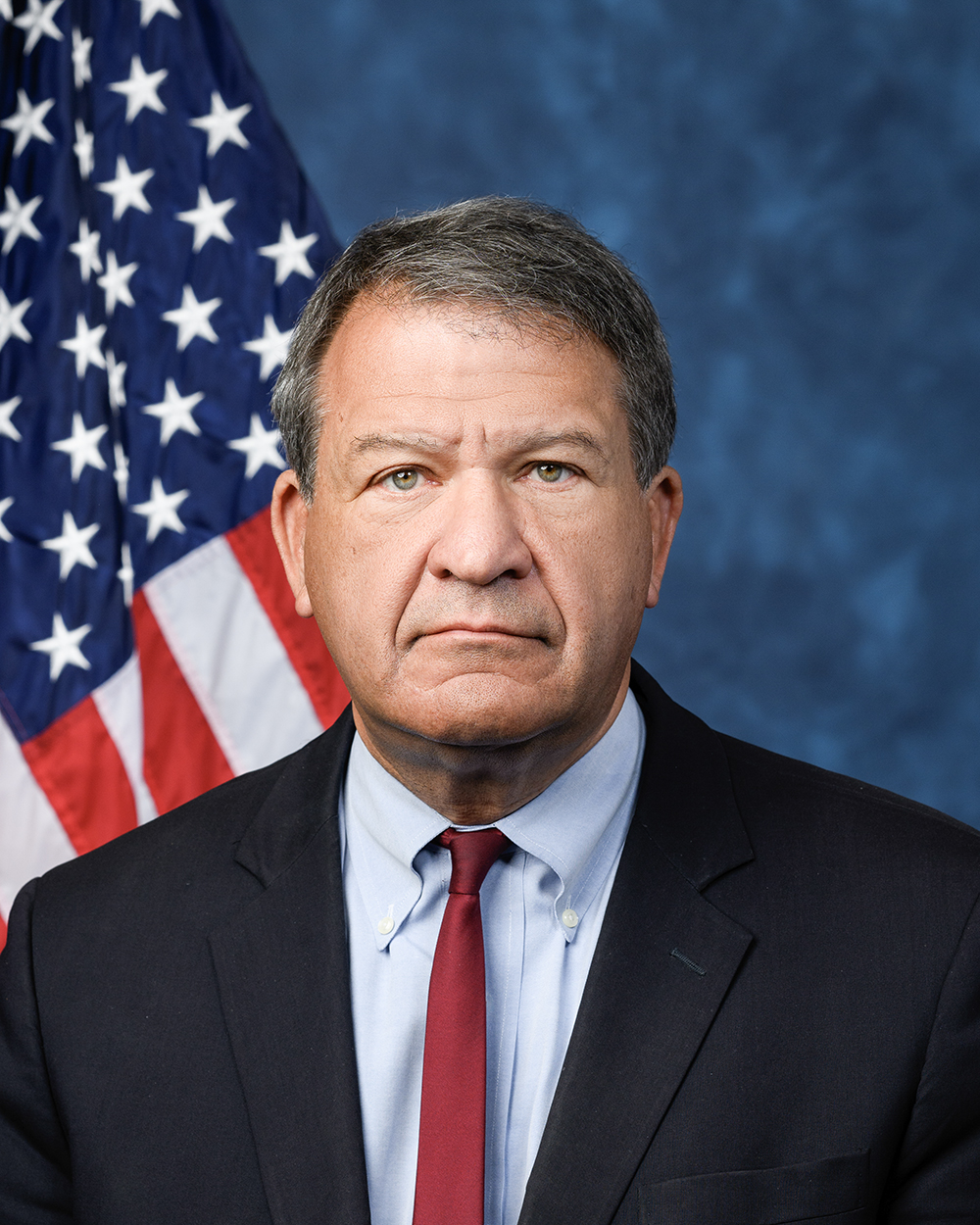
Rep. George Latimer
Sponsored bills
Maddy summaryHR 7659 designates the Pride flag as an authorized flag eligible for display at all National Park System units, including national monuments and parks. The bill specifically expresses Congress's sense that the Pride flag should be displayed at the Stonewall National Monument in New York City, which commemorates the 1969 LGBTQ rights uprising at the Stonewall Inn. It cites the monument’s significance as the first U.S. national monument dedicated to LGBTQ history and condemns the removal of the Pride flag from the site. The bill does not change existing park regulations but formally recognizes the Pride flag’s eligibility for display under National Park Service policy. It directly affects how the National Park Service manages flag displays at the Stonewall National Monument and other park locations.
Maddy summaryHR 7599 creates a federal framework for extreme risk protection orders (ERPOs), allowing family members or law enforcement to petition courts to temporarily prohibit individuals from possessing firearms when they pose a risk of harm to themselves or others. The bill establishes a process for issuing ex parte orders (up to 14 days) followed by a hearing within 72 hours to determine if a longer-term order (up to 180 days) should be issued, requiring respondents to surrender firearms to U.S. Marshals or designated law enforcement. Courts must consider specific factors like recent threats, violence, substance abuse, or cruelty to animals before issuing orders, with no fees for petitioners. The law requires law enforcement training to address bias, includes annual reporting requirements, and ensures firearms are returned once the order expires and the individual is eligible to own firearms under federal law.
Maddy summaryThis bill requires most employers to provide workers with earned paid sick leave. Employees would earn 1 hour of paid sick time for every 30 hours worked, up to 56 hours per year, which can be used for their own illness, medical care, caring for family members (including children, parents, spouses, domestic partners, or other family-like relationships), or addressing domestic violence, sexual assault, or stalking situations. The bill prohibits employers from retaliating against workers who use this leave and requires employers to inform employees about their rights. It ensures that workers who leave and return to the same employer within a year can reinstate their unused sick leave. This law would not override more generous state or local paid leave policies.
Maddy summaryHR 7519, the Army Corps Congressional Engagement Act, requires Army Corps of Engineers district commanders to provide annual briefings to each Member of Congress whose district overlaps with Corps projects. These briefings detail specific project information - including location, funding status, delays, environmental impacts, and community effects - for projects within the Corps' districts and watersheds that are funded, led, or consulted on by the Corps. If a briefing is missed, the Corps must submit a written explanation by year-end, and the Army Inspector General must investigate failures to brief and report to Congress. The bill aims to improve transparency between the Corps and lawmakers about ongoing infrastructure projects in their districts.
Maddy summaryHRES 1058 is a non-binding House resolution recognizing the federal government’s duty to develop a Transgender Bill of Rights. It calls for specific policy changes, including amending civil rights laws to explicitly prohibit discrimination based on gender identity in employment, housing, and public accommodations; protecting access to gender-affirming medical care; and streamlining legal recognition of gender identity on federal documents like passports and voter registration. The resolution also proposes expanding protections for transgender and nonbinary individuals in healthcare, education, immigration, and correctional facilities, while emphasizing community-led policy development. As a resolution, it does not create new law but sets a framework for future legislative action.
Maddy summaryHRES 1060 is a symbolic resolution designating April 5, 2026, as "Barth Syndrome Awareness Day" in the U.S. House of Representatives. It directly supports individuals and families affected by Barth syndrome, a rare genetic disorder primarily impacting males that causes heart, muscle, and immune system issues. The resolution expresses support for raising public awareness, improving early diagnosis, advancing research, and developing treatments for this condition - though it does not create new funding or policy changes. It serves as a non-binding statement of recognition by Congress, acknowledging the challenges faced by the small patient community (fewer than 160 diagnosed in the U.S.) and the need for greater attention to this ultrarare disease.
Department of Homeland Security Appropriations Act, 2026 This bill provides FY2026 appropriations for various agencies and offices within the Department of Homeland Security (DHS), except for U.S. Immigration and Customs Enforcement (ICE), U.S. Customs and Border Protection (CBP), and management and oversight activities of the Office of the Secretary. Specifically, the bill provides appropriations to DHS for the Federal Protective Service, the Office of Inspector General, the Transportation Security Administration, the U.S. Coast Guard, the U.S. Secret Service, the Cybersecurity and Infrastructure Security Agency, the Federal Emergency Management Agency (FEMA), U.S. Citizenship and Immigration Services, the Federal Law Enforcement Training Centers, and the Science and Technology Directorate. The bill does not provide appropriations for some agencies and activities that have been funded in prior DHS appropriations acts, including ICE, CBP, and management and oversight activities of the Office of the Secretary.
Maddy summaryHR 7498, the After Hours Child Care Act, creates a new Child Care and Development Innovation Fund to expand child care access for parents working nontraditional hours (like evenings, nights, or weekends). The bill directly affects working parents with young children who struggle to find care outside standard 9-to-5 hours, aiming to help them stay employed and advance in their careers. It authorizes $25,000-$500,000 grants for up to 5 years to eligible entities (such as child care providers or partnerships with businesses) to expand existing programs, establish new onsite workplace child care, or improve facilities and staff training. Grantees must cover 25% of costs, and the Secretary of Health and Human Services must report every two years on the program’s impact, including children served and changes in child care availability.
This bill designates the facility of the United States Postal Service located at 15422 NY 104 in Martville, New York, as the "Sergeant Staret J. Engleston Memorial Post Office Building".