

Maddy summaryHRES 1248 is a symbolic resolution recognizing the harmful impact of menstruation stigma on women, girls, and people who menstruate. It supports designating May as "National Menstrual Health Awareness Month" to promote normalization of menstruation, improve access to education and resources, and address menstrual health disparities. The resolution does not create new laws or funding but aims to raise public awareness and encourage efforts to advance menstrual health equity.
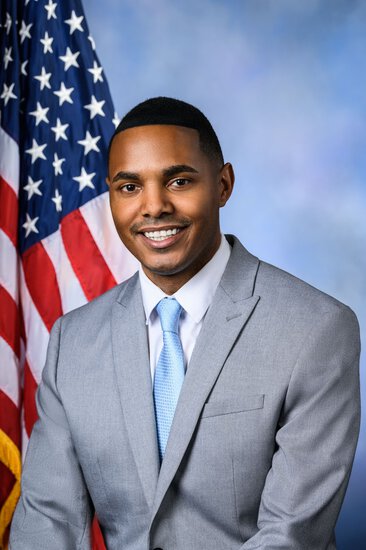
Rep. Ritchie Torres
Sponsored bills
Maddy summaryHRES 1233 is a symbolic resolution supporting National Honor Our LGBT Elders Day. It does not create new laws or allocate funds but encourages federal, state, and local entities to observe the day through programs raising awareness about health disparities and unique challenges faced by LGBTQ+ older adults. The resolution specifically urges healthcare providers to offer culturally competent care and calls for prioritizing the health and human rights of LGBTQ+ elders in government and aid efforts. It directly affects LGBTQ+ elders by highlighting their needs, though it has no binding legislative effect.
Maddy summaryHR 8444 establishes two federal grant programs to improve mental health support in schools. The School Mental Health Awareness Program funds evidence-based education for all students on mental wellness, destigmatization, and coping skills, while the Mental Health Career Promotion Program exposes high school students to mental health careers through internships, mentorships, and partnerships with professionals. Grants require culturally appropriate, trauma-informed activities and mandate annual outcome reporting on student and program effectiveness. The bill authorizes $50 million annually for each program from 2025-2029 to support schools partnering with mental health providers and community organizations.
Maddy summaryThis bill reauthorizes the National Alzheimer's Project Act through 2035 (extending the previous deadline of 2025) and adds new requirements to promote healthy aging and reduce Alzheimer’s risk factors. It mandates the program to provide information on healthy behaviors that may lower cognitive decline risk and expands the advisory group to include representatives from agencies like the Department of Justice, FEMA, and Social Security Administration, plus experts with diverse clinical trial experience. The bill directly affects Alzheimer’s research, care programs, and the federal advisory group overseeing national efforts. Key changes include requiring annual evaluations instead of initial ones and adding a focus on reducing health disparities in Alzheimer’s initiatives.
Maddy summaryHR 8509, the *Enhancing Oversight to End Discrimination in Policing Act*, requires the Justice Department to revise consent decree procedures for investigations into systemic police misconduct. It mandates that these agreements include community oversight boards (comprised of non-law enforcement residents), expand remedies beyond police reforms to include mental health support and restorative justice programs, and ensure faster implementation of solutions. The bill allocates $445 million annually (2025-2034) for DOJ pattern-or-practice investigations and establishes a $150 million grant program for states to fund investigations, implement reforms, and develop community alternatives like social workers - prohibiting diversion of funds to regular policing operations. States receiving grants must report quarterly on fund usage and progress, with strict accountability measures to revoke funds if misused.
Maddy summaryHR 8464, the Tokenization Report Act of 2024, requires four federal financial regulators (the Federal Reserve, FDIC, Comptroller of the Currency, and NCUA) to jointly produce a report within 180 days of enactment. The report will examine blockchain-based tokenization of traditional assets, covering benefits, risks, differences between blockchain types, global regulations, and legal requirements. This procedural bill does not change existing rules but mandates a study to inform future policy decisions. It directly affects the specified federal agencies, requiring them to gather public input and analyze how tokenized assets impact settlement efficiency, risk, and regulatory frameworks.
Maddy summaryHR 8376, the Latino Youth Mental Health Empowerment Act, aims to address mental health disparities affecting Hispanic and Latino youth by requiring a national awareness campaign and two key studies. The bill mandates a $5 million campaign (2025-2029) to combat stigma and increase access to culturally competent mental health resources for youth, parents, and school staff through materials, workshops, and screenings. It also requires a study on mental health barriers and suicide rates (with a report to Congress within one year) and a separate study on the shortage of Hispanic/Latino mental health professionals, both requiring disaggregated data by race, ethnicity, and other factors. The bill directly targets Hispanic and Latino youth - facing higher rates of depression, suicide contemplation, and lower treatment access - by focusing on outreach, service improvements, and workforce development.
Maddy summary# Summary of Legislative Text This is a comprehensive legislative proposal focused on addressing substance use disorder through public health approaches, with significant funding and program requirements. Key elements include: 1. **Major Funding Programs:** - **Subtitle A (Local Grants):** $3.0 billion annually (2024-2033) for local entities to provide prevention, treatment, and recovery services - **Subtitle B (State/Regional Grants):** $4.6 billion annually (2024-2033) for state-level programs - **Subtitle C (Other Grants):** $1.0 billion annually (2024-2033) for specific entities and underserved populations - **Subtitle D (Innovation/Training):** $1.5 billion annually (2024-2033) for training, research, and capacity building 2. **Key Program Requirements:** - Mandates for evidence-based treatment services across multiple levels of care - Requirements for cultural competency, particularly for Native American communities - Specific focus on harm reduction, prevention, and recovery support - Provisions for naloxone distribution and overdose reversal programs 3. **Regulatory Changes:** - New certification requirements for covered manufacturers, distributors, and dispensers of Schedule II controlled substances - Penalties for failure to submit certifications or submitting false certifications - Creation of a "Comprehensive Addiction Resources Fund" for penalty revenues 4. **Focus Areas:** - Prevention services (including trauma-informed approaches) - Early intervention services - Recovery support services - Harm reduction programs - Workforce development for treatment providers - Special attention to underserved populations (rural communities, racial minorities, formerly incarcerated individuals) 5. **Funding Priorities:** - 10% of funds for Native American communities - Specific requirements for cultural competency and language access - Mandated data collection and reporting systems This legislation represents a significant shift toward public health approaches to substance use disorder, emphasizing prevention, treatment, and recovery support rather than punitive measures, with substantial funding commitments over a decade.
Maddy summaryThe Public Service Freedom to Negotiate Act of 2024 establishes federal minimum standards for collective bargaining rights for public employees and supervisory employees. The Federal Labor Relations Authority will determine if each state's laws "substantially provide" for these rights, and if not, federal standards will apply to that state. These standards include the right to self-organization, collective bargaining, recognition of labor organizations, and procedures for resolving disputes. The bill preserves existing collective bargaining agreements and excludes certain employee categories like emergency services workers from some provisions.
Maddy summaryHR 3246, the Sanction Russian Nuclear Safety Violators Act of 2023, imposes U.S. sanctions on Russian individuals or entities that endangered the Zaporizhzhia Nuclear Power Plant’s safety or Ukrainian operational control since Russia’s 2022 invasion of Ukraine. Key provisions require the President to block assets and deny visas to targeted foreign persons, with exceptions for humanitarian aid and efforts to restore Ukrainian control of the plant. The bill directly affects Russian officials and Rosatom personnel involved in the plant’s operations, aiming to address safety risks highlighted by the IAEA.