

Maddy summaryThis bill requires the 988 Suicide Prevention Lifeline to establish a dedicated "Press 3" option (via IVR) for LGBTQ+ youth seeking crisis support, directly affecting LGBTQ+ youth who face a four times higher suicide risk than peers. It mandates that at least 9% of funds allocated for the lifeline's services be reserved specifically for these specialized LGBTQ+ youth services. The bill amends existing law to formalize this dedicated resource, building on current services that handled over 1.5 million contacts from LGBTQ+ youth in 2025. This creates a concrete policy change for accessing tailored crisis support without altering other lifeline operations.
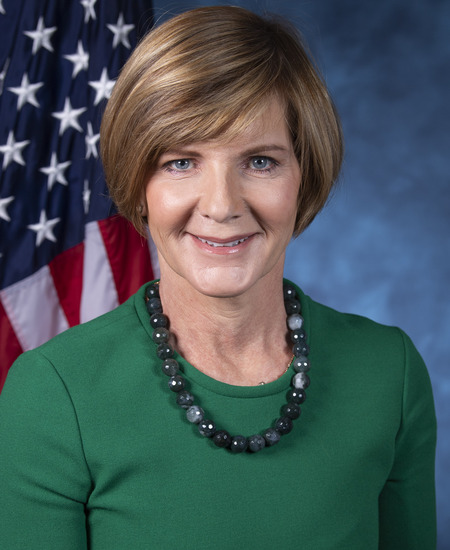
Rep. Susie Lee
Sponsored bills
Maddy summaryThis bill permanently bans nitazenes and all structurally related synthetic opioids under federal law, creating a broad definition that covers numerous chemical variations designed to evade current restrictions. It directly affects anyone manufacturing, distributing, or possessing these substances without authorization, including illicit drug producers and users. The key mechanism is a class-wide Schedule I classification that includes specific structural features (like modified benzimidazole rings) and excludes new analogs from legal loopholes. This approach aims to prevent new nitazene variants from entering the illegal market and addresses their role in overdose deaths. Substances previously temporarily banned under similar rules will now be permanently prohibited as of the bill's enactment.
Maddy summaryHR 5401, the Pay Our Troops Act of 2026, ensures military personnel, civilian Defense workers, and supporting contractors receive pay during government funding gaps in fiscal year 2026. It appropriates emergency funds for active-duty service members, reserves, and their supporting personnel (including Coast Guard staff under DHS) if regular appropriations aren't enacted by the end of the fiscal year. The bill provides necessary pay and allowances during any period when full-year funding is unavailable, covering both active service and support roles. Funding expires when regular appropriations are passed, a funding resolution is enacted, or January 1, 2027, whichever comes first. This is a procedural measure to prevent pay delays for military and support staff during fiscal year 2026 funding lapses.
Maddy summaryThe FAMILY Act would establish a national paid family and medical leave insurance program that provides wage replacement benefits for workers needing time off for caregiving or medical reasons. It defines "qualified caregiving" to include caring for a family member with a serious health condition, personal medical needs, or recovery from violence (including domestic violence, sexual assault, or stalking). Benefits would be calculated based on earnings, with a minimum monthly benefit of $580 and maximum of $4,000, administered by a new Office of Paid Family and Medical Leave within the Social Security Administration. Eligible individuals would need to have worked for at least 8 quarters in the previous year and file an application with required documentation, while existing state paid leave programs would continue to operate alongside this federal program.
Maddy summaryThis bill creates a program to assign traveling physicians to provide healthcare services to veterans residing in U.S. territories, including Puerto Rico, Guam, American Samoa, and the U.S. Virgin Islands. It allows the Department of Veterans Affairs (VA) to assign physicians for up to one year at VA facilities in these territories, requiring coordination with local medical providers to ensure quality care. Physicians assigned under this program would receive a relocation or retention bonus similar to existing federal employee incentives. The bill directly affects veterans in U.S. territories and VA healthcare operations there.
Maddy summaryHR 1107, the *Protecting Veteran Access to Telemedicine Services Act of 2025*, allows Department of Veterans Affairs (VA) health professionals to prescribe and dispense medications regulated under federal law (like opioids or stimulants) via telemedicine without requiring an in-person medical exam first. This directly affects veterans receiving VA care and VA-employed health professionals who provide telemedicine services. The bill requires providers to hold a valid state license, act within their professional scope, and ensure prescriptions serve a legitimate medical purpose. It does not change existing federal drug laws but streamlines access to controlled medications for veterans through telehealth, particularly benefiting those in rural or remote areas.
Maddy summaryHR 5309, the Congressional Tribute to Constance Baker Motley Act of 2025, authorizes a posthumous Congressional gold medal for Constance Baker Motley, a pioneering civil rights attorney and judge. The bill directs the Treasury Secretary to strike the medal with her image and name, to be presented to her son, Joel W. Motley III, and her niece, Constance Royster. It also permits the sale of bronze duplicates at cost to cover expenses, with proceeds going to the U.S. Mint fund. This is a commemorative measure with no substantive policy changes, honoring Motley’s legacy as the first African-American woman appointed to a federal judgeship.
Maddy summaryThis bill reauthorizes the existing program providing support and treatment services for law enforcement officers experiencing mental health crises. It extends the funding authorization period from 2020-2024 to 2025-2029 under the Omnibus Crime Control and Safe Streets Act of 1968. The bill directly affects law enforcement officers who access these crisis support services through participating state and local programs. It makes no new policy changes but ensures the current program continues operating without interruption for five additional years.
Maddy summaryThis bill directs the U.S. President to identify Pakistani officials responsible for undermining democracy and human rights within 180 days of enactment, then impose Global Magnitsky sanctions on them. It targets senior government, military, or security officials found to have committed gross human rights violations or interfered with democratic processes, such as during Pakistan’s 2024 elections or through constitutional changes. Sanctions would include asset freezes and travel bans, with exceptions for humanitarian aid, UN obligations, and national security activities. The bill expires on September 30, 2030, and aims to pressure Pakistan to uphold democratic norms, human rights, and judicial independence.
Maddy summaryThis bill ensures U.S. Border Patrol Agents and Customs and Border Protection officers who continue working during a government shutdown receive their salaries. It authorizes funding from the Treasury for fiscal year 2026 to cover their salaries and expenses during any lapse in discretionary appropriations. The measure specifically applies to employees "excepted from furlough," meaning those required to work during shutdowns. It does not change eligibility for pay but guarantees funding for these personnel during funding gaps.