

Maddy summaryThe Hire Student Veterans Act expands the Work Opportunity Tax Credit to include veterans enrolled in school using educational benefits from VA or military programs (such as the GI Bill). Employers hiring these veterans can claim a tax credit, making it easier to recruit students using benefits under specific VA or military education programs. The bill modifies the minimum employment requirement for these veterans, excluding them from standard work duration rules that apply to other credit-eligible hires. These changes take effect for veterans hired after the bill becomes law.
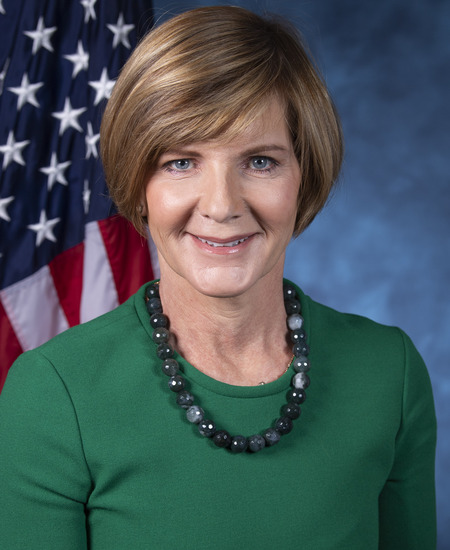
Rep. Susie Lee
Sponsored bills
Maddy summaryThis bill establishes a new interagency Task Force to dismantle foreign scam operations targeting Americans, particularly through "pig butchering" scams in Southeast Asia. The Task Force, chaired by the Secretary of State, will coordinate efforts across multiple agencies to shut down scam centers, impose sanctions on perpetrators, and support victims of trafficking. It requires a detailed strategy within 180 days and annual reports to Congress on progress, including sanctions imposed and funds recovered. The bill authorizes $30 million for these efforts in fiscal years 2026-2027, focusing on countries like Cambodia, Laos, and Burma where scam centers operate with forced labor.
Maddy summaryHRES 856 is a non-binding resolution expressing the House of Representatives' view that the U.S. Department of Agriculture (USDA) should use its existing contingency funds and interchange authority to fund the Supplemental Nutrition Assistance Program (SNAP) for November 2025. The resolution cites that the USDA holds over $5 billion in contingency funds set aside for emergencies and has legal authority under the Department of Agriculture Organic Act to transfer funds between nutrition programs to maintain SNAP benefits. This would directly support approximately 42 million people relying on SNAP, including 16 million children, 8 million seniors, 4 million people with disabilities, and 1.2 million veterans, preventing disruption during a potential funding gap. The resolution does not create new law but urges the administration to use existing resources to ensure continued food assistance.
Maddy summaryThis bill establishes comprehensive name, image, and likeness (NIL) rights for college athletes, prohibiting institutions from restricting athletes' ability to earn compensation for their personal branding or taking adverse action against them for doing so. It requires transparent NIL agreements for compensation over $600, including specific details about services, compensation amounts, and termination terms. The bill also amends immigration laws to better accommodate international student athletes participating in college sports and updates regulations governing sports agents. Additionally, it establishes a Commission to study college athletics governance, focusing on collective bargaining, revenue sharing, and Title IX compliance, while expanding disclosure requirements for colleges regarding athletics revenue and expenses.
Give Kids a Chance Act of 2025 This bill expands the Food and Drug Administration’s (FDA’s) authority with respect to research on rare pediatric diseases, including by permitting the FDA to take enforcement action against drug sponsors that fail to satisfy pediatric study requirements and by reauthorizing programs that support pediatric research. Specifically, the bill modifies requirements relating to molecularly targeted pediatric cancer investigations to permit research on new drugs in combination with active ingredients that have already been approved, provided certain conditions are met; permits the FDA to take enforcement action against drug sponsors that fail to comply with pediatric study requirements, if such sponsors demonstrated a lack of due diligence in satisfying the requirement; renews the FDA’s authority to award priority review vouchers to sponsors of new products intended to treat rare pediatric diseases through September 30, 2029; and reauthorizes through FY2027 certain funding for the National Institutes of Health to support priority pediatric research. The bill also provides statutory authority for the FDA’s interpretation of the orphan drug exclusivity period. The bill specifies, consistent with FDA regulations, that the seven-year market exclusivity period for drugs for rare diseases or conditions (i.e., orphan drugs) prohibits the approval of the same drug for the same approved use or indication with respect to the disease or condition. (In Catalyst Pharmaceuticals, Inc. v. Becerra , a court rejected the FDA’s interpretation and held that orphan drug exclusivity extends to all uses or indications for the disease or condition.)
Maddy summaryHR 6204 extends funding authorization for large-scale water recycling projects by changing the Infrastructure Investment and Jobs Act's Section 40905(k) from a 5-year to a 10-year period. This procedural bill directly affects existing water recycling projects currently funded under the Infrastructure Investment and Jobs Act (Public Law 117-58). The key provision is simply the extension of the authorization period, providing longer-term stability for these projects without creating new programs or altering eligibility.
Maddy summaryHR 6181, the John Lewis Every Child Deserves a Family Act, prohibits child welfare agencies receiving federal funds from discriminating against children, youth, or prospective foster/adoptive parents based on religion, sex (including sexual orientation and gender identity), or marital status. It directly affects LGBTQ youth in foster care - overrepresented at 30% of the system - who face higher risks of trauma, group home placements, and suicide attempts compared to non-LGBTQ peers. Key provisions require agencies to collect data on sexual orientation and gender identity, establish a National Resource Center for LGBTQ youth support, provide cultural competency training, and eliminate discriminatory practices. The law aims to improve safety, permanency, and placement stability by expanding access to family-based care and ensuring equitable services for all children in the system.
Maddy summaryThe VISIT USA Act directs the Treasury to transfer $160 million from unused tourism promotion funds to Brand USA (the Corporation for Travel Promotion) within 30 days of the bill's enactment. This funding is exempt from standard transfer limits and requires Brand USA to follow existing matching rules for these funds. The bill directly affects Brand USA, providing it with dedicated resources to support international tourism marketing and promotion efforts. It makes a concrete policy change by reallocating specific unobligated funds to boost the U.S. tourism marketing program.
Maddy summaryThe Water Infrastructure Modernization Act of 2025 amends federal water law to define and support "intelligent water infrastructure technology," including real-time monitoring systems, AI-driven wastewater optimization tools, leak detection sensors, and advanced metering for conservation. It directly affects municipal water systems and utilities by expanding eligible uses for federal grants - allowing funds for implementing these technologies (like predictive aquifer recharge systems) while prohibiting grants for planning or maintenance. The bill increases annual grant funding from $25 million to $50 million (starting in 2028) and requires annual reports to Congress on funded projects and their resiliency improvements. This creates a clear pathway for communities, especially disadvantaged ones, to access federal support for modernizing aging water infrastructure through data-driven solutions.
Maddy summaryHR 6054, the Fairness to Kids with Cancer Act of 2025, requires federal cancer research funding to allocate pediatric research dollars proportionally based on the U.S. child population. Specifically, for fiscal years 2026 and beyond, the percentage of cancer research funds dedicated to pediatric cancer must match the ratio of children under 18 to the total U.S. population, as determined by the Census Bureau. This directly affects how federal cancer research dollars are distributed, ensuring pediatric cancer research receives funding aligned with the proportion of young patients. The bill mandates this calculation annually, shifting funding allocation toward pediatric research without specifying new programs or budget increases.