

Maddy summaryHCONRES 131 is a symbolic resolution recognizing the wage gap between Latina women and White, non-Hispanic men in the U.S. workforce. It highlights that Latina women working full-time earn 58 cents for every dollar earned by White, non-Hispanic men, with an average lifetime earnings loss of over $1.2 million. The resolution designates October 3, 2024, as "Latina Equal Pay Day" to draw attention to this disparity, citing Bureau of Census data showing the gap has persisted for decades. It does not create new laws or policies but formally acknowledges the economic impact on Latina women and their families.
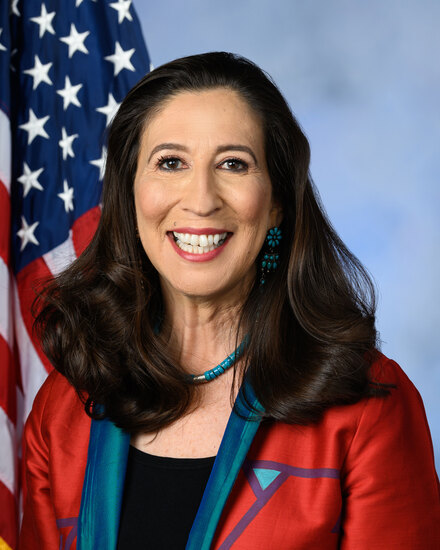
Rep. Teresa Leger Fernandez
Sponsored bills
Maddy summaryHCONRES 130 is a symbolic concurrent resolution commending state and local governments that treat reproductive rights as human rights following the *Dobbs* decision. It recognizes efforts by cities like Austin, Texas, and Montgomery County, Maryland, to expand abortion access and condemn criminalization of pregnancy outcomes. The resolution affirms that reproductive rights are human rights, urges states to repeal restrictive laws, and references U.S. obligations under international human rights treaties. As a non-binding resolution, it does not create new laws or alter existing policies.
Maddy summaryHRES 1499 is a symbolic resolution expressing concern about rising book bans in U.S. schools and libraries, citing PEN America data showing over 10,000 individual book bans in public schools between July 2023 and June 2024 - more than double the previous year. It highlights how bans disproportionately target books featuring LGBTQ+ themes, racial history, and marginalized voices (like *The Handmaid’s Tale*, *Maus*, and *Fry Bread*), while emphasizing students’ First Amendment rights to access diverse materials. The resolution calls on school districts and libraries to follow established best practices for handling book challenges and to protect students’ right to read widely, including works reflecting diverse perspectives. As a non-binding resolution, it does not create new law but urges local education entities to uphold free expression.
Maddy summaryThis bill directs the Secretary of the Interior to transfer ownership of approximately 7,167 acres of Bureau of Land Management land in Sandoval County, New Mexico, into trust for the San Felipe Pueblo tribe. Key provisions include maintaining a 1.8-mile access road easement for the Baca Family inholding, allowing other federally recognized tribes access for cultural and religious practices, and requiring the Pueblo to maintain the road to existing standards. Existing grazing leases on the land will continue unchanged, and the bill explicitly prohibits the use of this land for tribal gaming activities. The transfer affects the San Felipe Pueblo directly by expanding their land holdings under federal trust management.
Maddy summaryHR 3433, the "Give Kids a Chance Act of 2024," requires pharmaceutical companies developing certain cancer drugs to conduct pediatric studies if the drugs target molecular pathways relevant to childhood cancers. It directly affects drug manufacturers submitting new applications for cancer treatments, particularly those combining previously approved adult cancer drugs or containing a single new active ingredient. The bill amends FDA regulations to mandate these pediatric investigations only when specific conditions are met, such as when a drug's molecular target is relevant to pediatric cancer growth. The FDA must issue implementing guidance within 12 months, and reports to Congress will track implementation and effectiveness starting 2 years after enactment.
Maddy summaryThe Student Food Security Act of 2024 would expand eligibility for the Supplemental Nutrition Assistance Program (SNAP) to include college students at institutions of higher education who meet specific financial criteria, such as having a student aid index of 0 or being eligible for a Federal Pell Grant. It requires the USDA to develop a strategy to increase awareness of SNAP eligibility among students and creates a demonstration program testing new ways for students to use SNAP benefits on campus, including purchasing prepared food at campus dining facilities. The bill authorizes $1 billion in grants over seven years to colleges to develop programs addressing students' basic needs like food and housing insecurity, with priority given to community colleges and institutions with high numbers of Pell Grant recipients. This legislation would directly affect college students, particularly those from low-income backgrounds, and institutions of higher education that would receive funding to support student basic needs.
Maddy summaryThis resolution (HRES 1472) symbolically recognizes the heritage, culture, and contributions of Latinas in the United States. It highlights their economic impact (over 2 million Latina-owned businesses), societal roles (48,000+ active-duty Latinas in the military, 18% of women-owned businesses), and ongoing challenges like the pay gap (Latinas earn 57 cents for every dollar earned by White, non-Hispanic men). The resolution notes that Latinas represent 1 in 5 U.S. women and will comprise 25% of the female population by 2060. As a non-binding resolution, it does not create new policies or allocate funds, but formally honors their contributions and acknowledges the need for continued progress.
Maddy summaryThis bill directs the U.S. government to immediately restore funding to the United Nations Relief and Works Agency for Palestine Refugees (UNRWA), reversing a temporary funding pause. It repeals two appropriations acts that halted payments and requires the Secretary of State to resume UNRWA funding under existing authorities. The legislation specifically aims to support UNRWA’s critical humanitarian work - providing shelter, education, healthcare, and aid to Palestinian refugees across Gaza, the West Bank, Syria, Lebanon, and Jordan - during an acute famine risk in Gaza. It also mandates quarterly reports to Congress on UNRWA’s implementation of reforms from an independent review, ensuring accountability for its humanitarian mission.
Maddy summaryHR 6033, the SPEAK Act of 2024, creates a task force within the Department of Health and Human Services to address telehealth barriers for patients with limited English proficiency (LEP). The task force - comprising healthcare providers, tech vendors, language services, and patient advocates - will assess current obstacles and develop best practices for improving access to telehealth platforms, video interpretation, and digital patient portals. Within 90 days of each annual report, the Secretary must publish a public website sharing these best practices, including guidance on integrating interpreters and making telehealth instructions accessible. The bill directly affects LEP patients and healthcare providers who serve them, aiming to make digital health tools more usable through concrete, evidence-based recommendations.
Maddy summaryThis bill renames a Department of Veterans Affairs clinic in Las Cruces, New Mexico, as the "Las Cruces Bataan Memorial Clinic." It directs all federal references in laws, documents, and records to use this new name after enactment. The change affects the clinic itself and any official materials or communications involving it. This is a procedural renaming with no policy or funding changes.