

Maddy summaryThis bill redesignates the existing National Parks and Public Land Legacy Restoration Fund as the America's Legacy Restoration Fund to address deferred maintenance on federal lands. It directs revenue from recreation fees and a portion of energy development income into the fund, which must be used primarily for repairing critical infrastructure like roads, trails, and buildings managed by agencies such as the National Park Service and the Forest Service. The legislation establishes strict rules requiring that most funds go toward non-transportation projects, mandates transparency through public dashboards tracking project status, and sets aside a small percentage for matching private donations. Additionally, the bill increases entrance fees for foreign visitors to ensure they contribute to the fund, while prohibiting the use of these specific funds for land acquisition or employee bonuses.
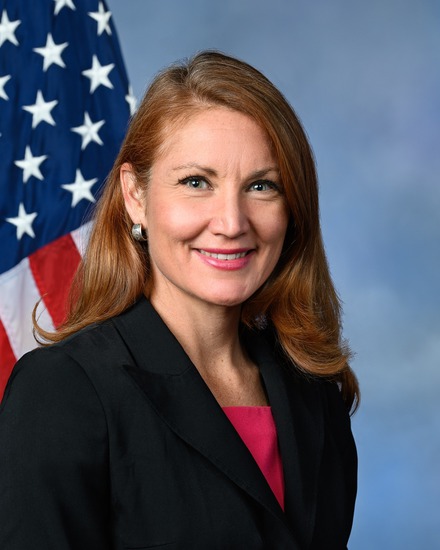
Rep. Melanie A. Stansbury
Sponsored bills
Maddy summaryThe Latonya Reeves Freedom Act of 2026 strengthens the Americans with Disabilities Act to ensure individuals with long-term service and support needs have a federally protected right to live in their communities rather than institutions. It requires states and insurance providers to offer community-based services that allow people to maintain independence, control their own care, and access affordable, integrated housing. The bill mandates that public entities and insurers create enforceable transition plans to move people out of institutions, conduct self-evaluations to identify barriers, and establish clear grievance procedures for resolving complaints. Enforcement is handled by the Department of Justice, which can investigate violations, while individuals may also file civil lawsuits to seek damages or court orders preventing institutionalization.
Maddy summaryThis resolution expresses the sense of the House of Representatives that the United States should recognize and encourage acts of kindness to foster community and build social resilience. It highlights the belief that kindness strengthens families, neighborhoods, and the nation by connecting people across differences and promoting a healthier society. The bill does not create new laws or funding but serves as a symbolic statement affirming the value of everyday compassionate actions.
Maddy summaryThe Protecting America's Herds Act creates a grant program for cooperative extension services to help prepare for and respond to New World screwworm outbreaks in livestock. Funds awarded through this competitive process can be used to train staff, support animal inspections, educate producers, and provide direct technical assistance on prevention and treatment. The Department of Agriculture must prioritize grants for states and Tribal communities at higher risk of the pest spreading and coordinate closely with veterinary and agricultural experts. This legislation aims to strengthen the nation's ability to detect and manage this specific animal health threat through improved readiness and education.
Maddy summaryThe Protect Local Funding Act prohibits federal agencies from finalizing, implementing, or enforcing a specific proposed rule regarding federal financial assistance scheduled for publication in May 2026. This legislation directly affects the Office of Management and Budget and other federal agencies by legally blocking them from acting on that particular regulation. By preventing the enforcement of this rule, the bill aims to stop a specific administrative action that could impact how federal funds are distributed. The measure does not alter existing funding programs but rather serves as a procedural barrier to a future regulatory change.
Maddy summaryThis bill strengthens child labor protections by expanding the definition of hazardous work for minors, particularly in dangerous industries like mining and explosives, and requires the government to update these regulations every five years. It imposes strict rules on companies with federal contracts, prohibiting them from using child labor in their supply chains and holding them jointly liable if their subcontractors violate these rules. The legislation also increases penalties for violations, including higher fines for serious injuries or deaths, allows for stop-work orders, and enables victims to seek significant compensatory and punitive damages. Additionally, the bill mandates training programs to help identify and prevent child labor abuses and requires the Department of Labor to report annually on work-related injuries and deaths.
Maddy summaryThis bill proposes a new amendment to the U.S. Constitution to guarantee the right to vote for all citizens of legal voting age in their place of residence. It requires states to allow voters to register and cast ballots on election day and mandates that Congress set national standards for how elections are administered. The amendment permits only narrowly tailored rules to protect election integrity and gives Congress the authority to pass laws enforcing these new voting rights.
Maddy summaryThe Postsecondary Student Success Act of 2026 creates a competitive grant program to help colleges improve graduation rates for high-need students, including those from low-income backgrounds, first-generation families, and military-connected individuals. To receive funding between 2027 and 2032, eligible institutions must submit plans detailing how they will use evidence-based strategies, such as better advising, accelerated learning options, and improved transfer pathways, to support student retention and completion. The law requires that at least 20 percent of the available funds go to projects using the most rigorously tested methods and mandates that 2 percent be reserved specifically for Tribal Colleges and Universities. Additionally, the Department of Education must evaluate the effectiveness of these programs and report the results to Congress within 18 months of the bill's enactment.
Maddy summaryThe Keep Public Funds in Public Schools Act of 2026 eliminates a federal tax credit that allowed parents to deduct contributions to scholarship granting organizations from their income. By removing these specific tax breaks, the bill prevents the use of public tax dollars to support private school vouchers and scholarship programs. This change directly affects families who currently rely on these tax incentives to fund education outside the public school system. The provisions take effect for taxable years beginning after December 31, 2026.
Maddy summaryHR 5408, the Faster Labor Contracts Act, requires employers to begin negotiating a first contract with a newly certified union within 10 days of written request. If no agreement is reached within 90 days, the parties must seek mediation, and if unresolved after 30 days of mediation, the dispute moves to binding arbitration by a three-member panel. The arbitration decision, based on factors like employer finances, industry standards, and cost of living, becomes binding for two years. This bill directly affects newly certified unions and their employers during initial contract negotiations, aiming to reduce delays that currently average 465 days.