

Maddy summaryHRES 341 is a symbolic House resolution expressing support for Earth Day, not a substantive bill. It urges the President to issue an Earth Day proclamation, encourages Americans to address environmental challenges (like climate change and litter), and calls for rejoining the Paris Agreement - though these are non-binding recommendations with no legal force. The resolution references historical environmental legislation (like the Clean Air Act) but does not create new policies, allocate funds, or change regulations. It directly affects no specific group, as it solely serves to affirm environmental values through symbolic recognition. (Note: The document header incorrectly lists "Federal Water Pollution Control Act" as the bill text, but this is a formatting error; the actual resolution is about Earth Day.)
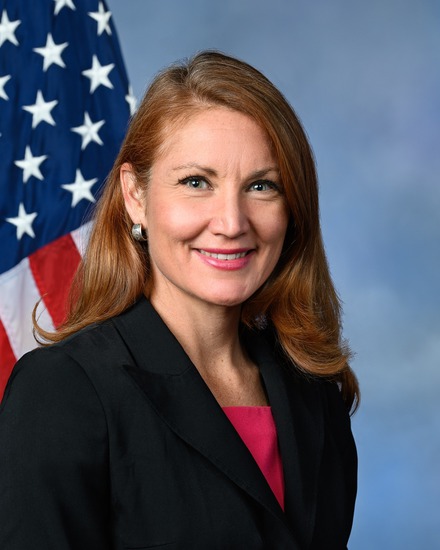
Rep. Melanie A. Stansbury
Sponsored bills
Maddy summaryHR 2971, the YOUNG Act of 2025, creates a new federal grant program to fund youth biodiversity monitoring projects using modern tools like drones, AI, and environmental DNA analysis. It directly supports schools, nonprofits, tribal governments, and local governments that run projects educating young people about wildlife science and conservation. The program allocates $1 million annually (2026-2032) to cover project costs such as supplies, transportation, and permits, with priority given to projects serving underserved communities facing systemic barriers. Grantees must report on participation and grant usage to Congress within two years of enactment.
Maddy summaryThe Hunger-Free Future Act of 2025 amends the SNAP program to require that any update to the thrifty food plan must not increase food insecurity. It mandates that adjustments to the diet cost must continue following existing rules while explicitly ensuring updates do not worsen food insecurity, defined as households lacking adequate food due to insufficient money or resources. This directly affects SNAP beneficiaries by setting a new standard for how the program's cost calculations are reviewed. The bill changes the procedural requirement for SNAP re-evaluations without altering benefit amounts or eligibility rules.
Maddy summaryHR 2357, the Food Secure Strikers Act of 2025, removes a restriction that previously barred workers on strike from receiving Supplemental Nutrition Assistance Program (SNAP) benefits. The bill amends the Food and Nutrition Act of 2008 to eliminate language making workers ineligible for SNAP "as a result of being on strike," ensuring striking workers are not automatically denied food assistance during labor disputes. This change directly affects workers participating in strikes who would otherwise lose access to SNAP benefits. The key mechanism updates the eligibility rules to prevent SNAP ineligibility solely due to strike participation.
Maddy summaryThis bill designates approximately 12,295 acres of Bureau of Land Management land in Taos County, New Mexico, as the Cerro de la Olla Wilderness. It modifies the boundary of the Río Grande del Norte National Monument to align with this new wilderness area. The bill permits the maintenance of existing wildlife water structures (like guzzlers) within the wilderness if they enhance wildlife values and minimize visual impacts, and requires the federal government to establish a cooperative agreement with New Mexico State within one year to outline wildlife management terms. These changes directly affect federal land management practices and wildlife conservation activities in the designated area.
Maddy summaryHRES 327 is a procedural resolution requesting the President to provide the House of Representatives with specific documents about Social Security Administration (SSA) operations after March 12, 2025. It seeks information on policies ending phone applications for benefits (effective March 18 and 26, 2025), office closures/consolidations, and staffing reductions. The resolution does not change laws but asks for records related to how these changes may affect public access to SSA services. This is a request for information, not a policy change.
Maddy summaryHRES 326 is a non-binding resolution designating April 10 as "Dolores Huerta Day" to honor the late labor and civil rights leader Dolores Huerta. It recognizes her foundational work co-founding the United Farm Workers, leading grape boycotts that secured union contracts, advocating for farm workers' safety, and championing women's rights and Latino political representation. The resolution has no policy impact or direct effect on any group, as it solely serves to commemorate Huerta's legacy. It was introduced by multiple House members in recognition of her contributions to civil rights and equality.
Maddy summaryThe SEER Act of 2025 strengthens ethics oversight for special government employees (SGEs) - non-career federal staff serving on advisory committees or in non-advisory roles - who previously faced fewer disclosure requirements than full-time employees. It requires SGEs serving more than 60 days in a year (reducing the current 130-day limit) to follow the same ethics rules as regular employees, including mandatory financial disclosures and public posting of conflict-of-interest waivers. The bill also mandates a searchable online database listing each SGE's service duration and appointment reason, prohibits SGEs from communicating with agencies about companies they own or lead (if not on an advisory committee), and extends disclosure requirements to SGEs not serving in low-level roles. These changes directly affect SGEs in significant decision-making roles, enhancing transparency for the public and Congress.
Maddy summaryHR 2906, the SERVICE Act, requires federal agencies to submit a detailed report to Congress and the Government Accountability Office (GAO) before reducing their workforce by more than 5% in a fiscal year. The report must analyze financial impacts (including pay, benefits, and replacement costs), mission effects on specific offices/services, and the agency’s analytical basis for the reduction. The GAO must then review the report within 180 days and assess whether it includes all required elements and credible supporting data. This 210-day review period applies to all agencies covered under the law, directly affecting federal workforce planning decisions. The bill aims to ensure transparency and evidence-based decision-making around federal staffing changes.
Maddy summaryHR 2884 establishes a National Center on Antiracism and Health within the CDC to address structural racism as a public health crisis. The center will research how racism impacts health outcomes, collect disaggregated data by race, ethnicity, and other factors, and develop antiracist interventions for public health systems. It requires CDC to create regional centers in minority communities, build a public data clearinghouse, and train health professionals on racism's health effects. The bill also directs the CDC to research police violence's public health impacts and develop prevention strategies, requiring annual reports to Congress on these efforts.