

Maddy summaryThis bill increases the annual stipend for books, supplies, and educational materials under the Post-9/11 GI Bill from $1,000 to $1,400, effective immediately. It also establishes a new automatic annual adjustment starting in fiscal year 2026, tying stipend increases to inflation using the Consumer Price Index (CPI). Specifically, the stipend will rise each year by the percentage difference between the current CPI and the previous year’s CPI. This directly affects veterans using the Post-9/11 Educational Assistance Program for their education expenses.
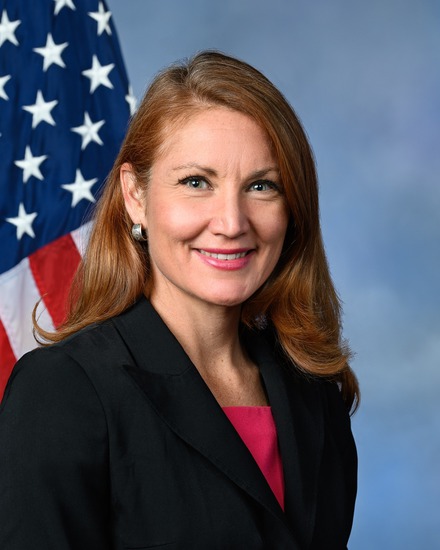
Rep. Melanie A. Stansbury
Sponsored bills
End Veteran Homelessness Act of 2025 This bill requires the Department of Veterans Affairs (VA) to furnish case management to certain veterans who are eligible for the HUD-Veterans Affairs Supportive Housing (HUD-VASH) program administered by the Department of Housing and Urban Development (HUD) and the VA. Specifically, the VA must furnish case management to veterans who are eligible for HUD-VASH that the VA determines require case management. The VA must prioritize vulnerable homeless veterans in assigning case managers and providing services. The VA must take certain actions if a veteran refuses case management. HUD or a public housing authority may not revoke assistance solely on the basis that a veteran has refused case management. Additionally, a veteran may not be evicted or penalized by the owner of a property solely on the basis that they have refused case management or cannot be provided case management for health and safety reasons. The Government Accountability Office must report to Congress on veterans who are served by the HUD-VASH program, case managers and case management services provided under the program, and metrics about housing stability for veterans participating in federal housing assistance programs. The bill also provides statutory authority to expand eligibility for the HUD-VASH program to any veteran who is homeless, at risk of homelessness, or receiving assistance under another housing assistance program if the VA determines a voucher under HUD-VASH is more appropriate. (Currently, assistance is statutorily limited to certain veterans who have chronic mental illness or substance use disorders.)
Maddy summaryHR 7615, the RELIEF Act, requires the U.S. Customs and Border Protection Commissioner to refund all tariffs collected under emergency economic powers laws (specifically the International Emergency Economic Powers Act) for imports entered on or after January 1, 2025. It mandates these refunds be processed automatically within 90 days of the bill's enactment, without importers needing to file applications or protests. The refund applies to all importers of record for goods subject to these tariffs, covering entries including withdrawals from warehouses for consumption. This directly affects businesses importing goods subject to those specific tariffs by returning funds collected under the emergency authority.
Maddy summaryThis bill authorizes a Congressional Gold Medal to honor the Freedom House Ambulance Service, which pioneered the first paramedic-based emergency medical system in the U.S. in the 1960s. It recognizes the service's role in establishing professional pre-hospital care standards, training marginalized residents (including the first women paramedics), and influencing national EMS protocols despite being defunded in 1975. The medal will be presented to the National Museum of African American History and Culture for public display, as specified in the bill. The legislation is purely commemorative, with no new policy or funding changes, focusing on preserving the service's historical significance in medical innovation and civil rights.
Maddy summaryHR 7543, the Plastic Pellet Free Waters Act, prohibits plastic pellets and pre-production plastic materials from being discharged into waterways through wastewater, spills, or runoff from specific facilities. It directly affects plastic manufacturing, molding, packaging, and transportation facilities regulated under existing environmental rules. Within 60 days of enactment, the EPA must issue a rule banning these discharges and update all relevant wastewater, stormwater, and performance standards in permits. The law requires all permits and standards for these facilities to reflect the new ban, ensuring plastic pellets cannot enter water systems. This is a concrete regulatory change to prevent plastic pollution at its source.
Maddy summaryThis bill requires the Department of Defense to obtain a clean audit opinion for its financial statements or face automatic spending reductions. If the Pentagon fails to achieve this by fiscal year 2026, non-exempt programs would lose 0.5% of funding in the first year of failure and 1% annually thereafter, with cuts applied across all programs within the affected department. Military personnel, reserve, National Guard, and Defense Health Program accounts are exempt from these reductions. Any funds saved through these cuts would be deposited into the General Fund for deficit reduction, not redirected to military operations.
Maddy summaryThis bill requires most employers to provide workers with earned paid sick leave. Employees would earn 1 hour of paid sick time for every 30 hours worked, up to 56 hours per year, which can be used for their own illness, medical care, caring for family members (including children, parents, spouses, domestic partners, or other family-like relationships), or addressing domestic violence, sexual assault, or stalking situations. The bill prohibits employers from retaliating against workers who use this leave and requires employers to inform employees about their rights. It ensures that workers who leave and return to the same employer within a year can reinstate their unused sick leave. This law would not override more generous state or local paid leave policies.
Maddy summaryThe Pensions for All Act requires most private sector employers and self-employed individuals to either provide a retirement plan comparable to the Federal Employees Retirement System (FERS) or enroll in FERS. It establishes reduced contribution requirements for smaller employers (with revenue under $100 million) and lower-income self-employed individuals (with income under $125,000), with specific calculation methods based on business size and income. The bill imposes a $10-per-day penalty for failure to provide an adequate retirement plan, with inflation adjustments after 2026, and creates tax credits for eligible retirement contributions through the Internal Revenue Code. The law specifically applies to non-federal workers, as federal employees are already covered by FERS.
Maddy summaryThe SCAM Act requires online platforms that display paid advertisements (like social media sites) to verify advertiser identities, implement scam detection systems, and remove fraudulent ads within 24 hours of confirmation. It directly affects platforms that accept payment for ads, targeting scams such as fake giveaways, romance scams, and AI impersonations that cost consumers $195 billion in 2024 (per FTC data). Key mechanisms include mandatory identity checks for advertisers, active monitoring systems, and a 72-hour investigation window for reported scams. The law aims to reduce fraud by shifting responsibility to platforms, with enforcement by the FTC and state attorneys general.
Maddy summaryHRES 1058 is a non-binding House resolution recognizing the federal government’s duty to develop a Transgender Bill of Rights. It calls for specific policy changes, including amending civil rights laws to explicitly prohibit discrimination based on gender identity in employment, housing, and public accommodations; protecting access to gender-affirming medical care; and streamlining legal recognition of gender identity on federal documents like passports and voter registration. The resolution also proposes expanding protections for transgender and nonbinary individuals in healthcare, education, immigration, and correctional facilities, while emphasizing community-led policy development. As a resolution, it does not create new law but sets a framework for future legislative action.