

Maddy summaryThe Caring for Survivors Act of 2025 increases monthly dependency and indemnity compensation for surviving spouses of veterans. It changes the calculation method from a fixed $1,154 to 55% of a specific veteran compensation rate, effective six months after enactment. The bill also reduces the required continuous disability rating period for survivors from 10 years to 5 years, and provides a proportional payment for cases where the rating period is shorter than 10 years. Surviving spouses of veterans who died before January 1, 1993, receive the greater of their current benefit or the new calculation. This directly affects surviving spouses eligible for benefits under Title 38, U.S. Code, particularly those with veterans who died prior to 1993.
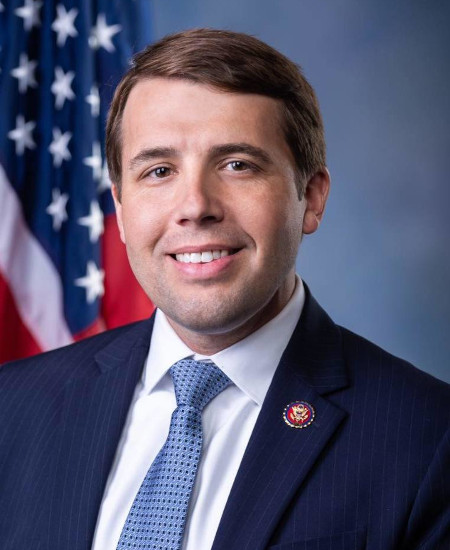
Rep. Chris Pappas
Sponsored bills
Maddy summaryThis bill amends the Securities Exchange Act of 1934 to expand eligibility for certain capital access provisions. It directly affects rural-area small businesses by adding them to existing categories that qualify for streamlined capital-raising mechanisms previously limited to women-owned small businesses. The key change inserts "rural-area small businesses" into two specific sections of the law (paragraphs 4(j)(4)(C) and 4(j)(6)(B)(iii)), updating the rules for who can access these capital channels. This provides a concrete policy change by formally including rural small businesses in current regulatory frameworks designed to help small business owners raise capital. The bill does not create new funding programs but adjusts existing eligibility criteria under federal securities law.
Maddy summaryHR 4011, the Community Paramedicine Act of 2025, creates a federal grant program to fund community paramedicine programs in rural areas. It provides grants to eligible entities - such as emergency medical services agencies, local governments, or Tribal organizations - to hire personnel, purchase equipment, cover training costs, and conduct outreach. The bill specifically reserves 15% of annual funding for programs serving Tribal communities and limits grants to $750,000 per entity (or $1.5 million for joint applications) over a maximum 5-year period. These programs aim to reduce unnecessary emergency room visits by using specially trained paramedics to address health issues and improve access to primary care for underserved populations.
Maddy summaryHR 3986 exempts small businesses (as defined by the Small Business Act) from import taxes imposed under Executive Order 14257. This means small businesses importing goods for their own use will no longer pay these specific taxes. The bill directly affects small businesses meeting the size standards outlined in the Small Business Act. It removes an existing tax burden without creating new regulations or requirements.
Maddy summaryHR 3946, the FIGHT Act of 2025, amends the Animal Welfare Act to specifically prohibit gambling on animal fighting events and restrict the interstate transport of roosters used in such ventures. It defines "rooster" as male chickens over six months old and makes it unlawful to sponsor, exhibit, attend (for those under 16), or gamble on animal fighting events - whether in-person or broadcast. The bill creates a civil enforcement mechanism allowing any person to file a lawsuit to stop violations after providing 60 days' notice to authorities, with potential fines up to $5,000 per violation. It also establishes seizure of property used to facilitate violations and clarifies that state laws on animal fighting remain in effect unless directly conflicting with federal provisions.
Maddy summaryHR 3931, the Kids on the Go Act of 2025, requires states to appoint a "Safe routes to school coordinator" for transportation projects. If a state hires such a coordinator, the federal government will cover 95% of eligible project costs under the relevant transportation program (previously a lower percentage). This bill directly affects state transportation agencies and school districts receiving federal funds for safe routes to school initiatives. The key change is the increased federal funding rate tied to the coordinator position, aiming to improve student safety during school commutes. The bill does not mandate hiring but offers a significant funding incentive for states that choose to implement this role.
Maddy summaryThis bill requires the Veterans Affairs (VA) Secretary to provide timely equitable relief to veterans who lose benefits due to VA administrative errors. It changes the law to make this relief mandatory ("shall" instead of "may") and sets a 120-day deadline for the VA to act after an error is confirmed. The bill also mandates that the VA must immediately cancel any debt collection agreements related to an error-based debt. It directly affects veterans who have suffered financial loss because of a VA mistake in processing benefits or claims.
Maddy summaryThis bill requires private firearm transfers between individuals to go through a licensed dealer who must conduct a background check. It applies to most private sales but includes exceptions for transfers between family members (like parents and children), law enforcement, emergencies preventing harm, and temporary loans at shooting ranges or for hunting. Dealers must provide background check notices in both English and Spanish. The law aims to prevent prohibited individuals from obtaining firearms through private transactions while maintaining existing state authority on firearm laws.
Maddy summaryHR 3876, the LIHEAP Staffing Support Act, amends the Low-Income Home Energy Assistance Act to establish staffing requirements for the program. It requires the Secretary to employ at least 20 full-time staff dedicated to administering LIHEAP, limits contractors to no more than 40% of these staff, and mandates increasing staffing to at least 30 during declared emergencies (as defined under existing law). These provisions directly affect the administrative capacity of the LIHEAP program, which provides energy assistance to low-income households. The bill focuses on ensuring consistent staffing levels to support program delivery, with specific rules for emergency periods lasting up to 180 days.
Maddy summaryHR 3885, the Community TEAMS Act of 2025, creates a new grant program to expand medical student clinical training in rural and medically underserved communities. It provides funding for consortia of medical schools partnered with rural health clinics, community health centers, or facilities in underserved areas to support student rotations in outpatient settings. The grants, lasting 1-5 years, require applicants to detail project plans, sustainability, and how the program will improve community access to healthcare. This directly affects medical students, training facilities, and residents of high-need areas by aiming to build a sustainable physician workforce in those locations.