

Maddy summaryThis bill strengthens child labor protections by expanding the definition of hazardous work for minors, particularly in dangerous industries like mining and explosives, and requires the government to update these regulations every five years. It imposes strict rules on companies with federal contracts, prohibiting them from using child labor in their supply chains and holding them jointly liable if their subcontractors violate these rules. The legislation also increases penalties for violations, including higher fines for serious injuries or deaths, allows for stop-work orders, and enables victims to seek significant compensatory and punitive damages. Additionally, the bill mandates training programs to help identify and prevent child labor abuses and requires the Department of Labor to report annually on work-related injuries and deaths.
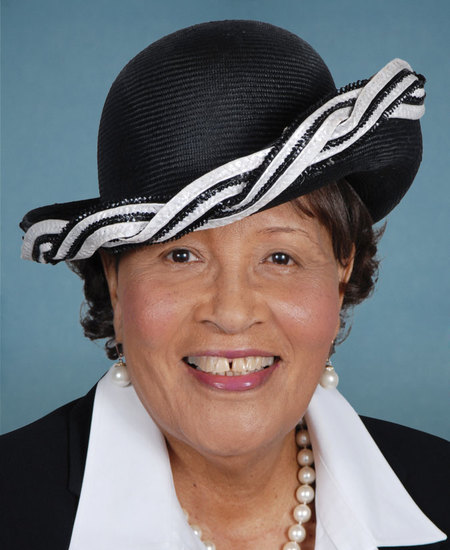
Rep. Alma S. Adams
Sponsored bills
Maddy summaryThe Keep Public Funds in Public Schools Act of 2026 eliminates a federal tax credit that allowed parents to deduct contributions to scholarship granting organizations from their income. By removing these specific tax breaks, the bill prevents the use of public tax dollars to support private school vouchers and scholarship programs. This change directly affects families who currently rely on these tax incentives to fund education outside the public school system. The provisions take effect for taxable years beginning after December 31, 2026.
Maddy summaryThe Artificial Intelligence Environmental Impacts Act of 2026 directs the Environmental Protection Agency to study and report on the environmental effects of artificial intelligence, including energy and water use, pollution, and electronic waste. This bill requires large data centers to annually submit detailed public reports on their resource consumption and environmental footprint, with penalties for non-compliance. Additionally, it establishes a stakeholder consortium to develop standardized methods for measuring these impacts and to identify ways to promote beneficial uses of AI while reducing negative effects. The legislation aims to increase transparency and accountability regarding the growing environmental costs associated with AI infrastructure and operations.
Maddy summaryThis resolution expresses support for designating June 5, 2026, as National Gun Violence Awareness Day and June 2026 as National Gun Violence Awareness Month. The bill calls on the public to wear orange on the designated day to honor victims and promote awareness of gun safety. It highlights statistics on gun-related deaths and injuries to underscore the need for community discussions on making neighborhoods safer.
Maddy summaryThe Protecting Student Privacy Act prevents federal student aid data from being shared with immigration enforcement agencies for the purpose of enforcing immigration laws. This rule applies to information held by the Department of Education regarding students and their financial contributors, such as parents or spouses, and blocks its use for arrests, interviews, or surveillance by the Department of Homeland Security and other authorized entities. The law includes specific exceptions for court orders related to criminal offenses and for cases where a student or contributor voluntarily and without pressure consents to sharing their information. Additionally, the bill requires the Secretary of Education to report any unauthorized disclosures to Congress and states that this new rule overrides any conflicting state or local laws.
Maddy summaryThe Gig Is Up Act requires large companies with over $100 million in annual revenue and at least 10,000 independent contractors to withhold taxes from payments made to these workers. This provision treats the earnings of these specific contractors as wages for Social Security purposes, effectively doubling the employer's portion of the tax on their behalf. The law applies to payments made after December 31, 2026, and includes rules for grouping related businesses together to determine if they meet the size thresholds.
Maddy summaryThe Advancing Menopause Care and Mid-Life Women's Health Act directs the National Institutes of Health and the Department of Health and Human Services to expand research, education, and clinical care for women experiencing perimenopause and menopause. Key provisions include funding grants for biomedical studies on specific health conditions, creating new research categories for menopausal symptoms, and establishing Centers of Excellence to improve professional training for healthcare providers. The bill also mandates a national public awareness program, the development of online educational resources, and the creation of a data dashboard to track health outcomes and address disparities among rural and underserved populations. These efforts are supported by authorized funding of $25 million for research and $10 million for public health promotion and training programs for each fiscal year from 2027 through 2031.
Maddy summaryThis joint resolution seeks to officially reject a final rule issued by the Department of Education regarding federal student loan programs. If passed, the measure would prevent the new regulations from taking effect, leaving the previous rules in place. The bill directly impacts borrowers, lenders, and the Department of Education by nullifying the specific changes outlined in the "Reimagining and Improving Student Education" proposal. It is a procedural action that uses the Congressional Review Act to disapprove the agency's policy without altering the underlying law.
Maddy summaryThe Worker Rights and Support Act amends the Fair Labor Standards Act to require employers to provide specific break times for employees, directly affecting workers covered under federal wage and hour laws. Under the new rules, employees must receive at least a 30-minute meal break for every six hours worked, along with a 10-minute break or time to use a restroom for every four hours, and up to 20-minute breaks for medical needs. While meal breaks can be unpaid if the employee is fully relieved of work, any break where the employee remains on duty or cannot leave the site must be paid at a rate of at least one and a half times their regular wage. The bill also allows employees to voluntarily waive meal breaks but prohibits employers from forcing them to do so, and it ensures that existing collective bargaining agreements or state laws offering better protections remain in effect.
Maddy summaryThe Smithsonian American Women’s History Museum Act authorizes the creation of a new Smithsonian museum dedicated to women’s history, to be located within the National Mall Reserve in Washington, D.C. If the site is managed by another federal agency, the bill requires that agency to transfer the land after notifying Congress and relevant committees. The museum must ensure exhibits and programs accurately represent diverse women’s experiences by consulting a broad range of experts and community voices. The Smithsonian will submit biennial reports to Congress detailing how the museum meets these representation standards.