

Maddy summaryThe Extreme Temperatures Injustice in Prisons Act of 2026 requires the Bureau of Prisons to upgrade heating, ventilation, and air conditioning systems in all correctional facilities and install temperature monitoring devices in every occupied space. The bill mandates the creation of written standards to prevent heat and cold stress, provides free cooling and heating supplies to inmates during dangerous weather, and establishes specific protective rules for medically vulnerable populations. Additionally, the legislation requires regular reports to Congress on system costs and temperature-related illnesses, while authorizing funding through fiscal year 2031 to support these safety improvements.
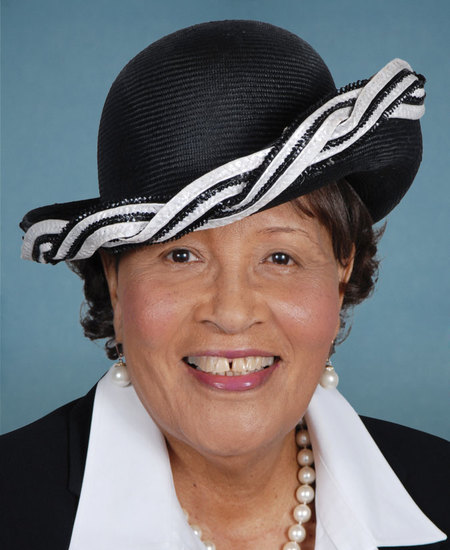
Rep. Alma S. Adams
Sponsored bills
Maddy summaryThe Fresh Bucks for Fresh Produce Act establishes a five-year pilot program where the Department of Agriculture provides grants to states to offer monthly $60 payments to low-income households for purchasing fresh fruits and vegetables. To qualify, households must earn 80 percent or less of the area median income, though those already receiving SNAP benefits can enroll with minimal paperwork. The funds can only be used at specific retailers like farmers markets and grocery stores to buy fresh produce, and states must use these grants to cover administrative costs and support local community organizations. The bill requires states to prioritize food-insecure areas and ensures geographic diversity by awarding grants to at least one state in each major U.S. region. Additionally, the program mandates a study to collect data on participant outcomes and barriers to access, with final results and recommendations for expansion due within five years.
Maddy summaryThe Living Wage for Federal Contractors Act mandates that employees working on federal contracts receive a basic hourly wage that starts at $17.00 and increases annually to $25.00, with future adjustments tied to inflation. This requirement applies to all workers performing services or labor on federal contracts, including those at any subcontracting tier, while offering a slightly lower initial rate for tipped employees. To enforce compliance, the bill allows the government to terminate contracts for wage violations, requires contractors to repay double the amount of unpaid wages, and prohibits future contract awards to firms repeatedly found in violation. Additionally, the legislation updates existing wage standards under the Davis-Bacon and Service Contract Acts to ensure they align with the new federal living wage floor.
Maddy summaryThis resolution formally congratulates the Carolina Hurricanes on winning the 2026 Stanley Cup, marking the franchise's first championship in two decades. The bill recognizes the team's historic playoff run, their economic impact on Raleigh, North Carolina, and their community contributions to veterans and disaster relief efforts. It also honors specific individuals, including Captain Jordan Staal and Head Coach Rod Brind'Amour, for their leadership and achievements during the season. Ultimately, the House directs the Clerk to send a copy of the resolution to the team's owner, general manager, and head coach while acknowledging North Carolina as a hockey state.
Maddy summaryThe Community Housing Act of 2026 aims to increase the supply and affordability of housing by directing significant new federal funding to programs like the Housing Trust Fund and the Capital Magnet Fund. It establishes a new Office of Community Land Use and Zoning within HUD to help states and localities reform restrictive zoning laws that limit housing development. The bill also expands financial support for rural areas, creates a new fund to promote shared equity and community land trusts, and removes a legal cap on the number of public housing units agencies can manage. Additionally, it provides grants to protect tenants from eviction and authorizes low-cost financing options for affordable housing projects.
Maddy summaryThe LIFT the BAR Act aims to restore access to federal benefits for lawfully present noncitizens by repealing several restrictions imposed by the 1996 welfare reform law and a 2024 reconciliation bill. Specifically, it would allow eligible noncitizens to receive SNAP food assistance, Medicaid, CHIP, and child nutrition programs, while also updating legal terminology to refer to "noncitizens" rather than "aliens" in relevant statutes. The legislation includes provisions to ensure these individuals can qualify for premium tax credits and would require federal agencies to issue implementation guidance within 180 days of enactment.
Maddy summaryThis bill, known as the Wage Theft Prevention and Wage Recovery Act, aims to combat unpaid wages by strengthening penalties for employers who violate federal labor laws and providing workers with better tools to recover stolen money. It directly affects employees across industries who are currently at risk of not receiving their full compensation for hours worked, tips, or benefits. Key provisions require employers to provide detailed paystubs and final payments within 14 days of termination, increase civil fines for violations, and extend the time limit for workers to file lawsuits from two to four years. Additionally, the legislation creates a new grant program to fund community partnerships between the Department of Labor and local organizations to educate workers, assist with claims, and improve enforcement efforts.
Maddy summaryThe Pell Grant Preservation and Expansion Act of 2026 aims to increase financial aid for college students by raising the maximum Pell Grant amount to $15,000 by the 2031-2032 award year and ensuring the program is fully funded through mandatory spending rather than annual appropriations. The bill also expands eligibility for students who receive means-tested government benefits by automatically assigning them a lower financial need score, while simultaneously allowing Dreamer students - undocumented immigrants who meet specific criteria such as graduating high school or serving in the military - to qualify for federal aid. Additional provisions restore the total number of semesters a student can receive Pell Grants from 12 to 18 and adjust the rules for satisfactory academic progress to reduce penalties for students who struggle to meet grade requirements. Finally, the legislation restores Pell Grant eligibility for some students who previously received outside scholarships and sets the law's effective date for July 1, 2026.
Maddy summaryThis bill requires mortgage lenders to consider alternative credit information, such as rental payments and bank statements, when evaluating applicants who request it. It specifically targets individuals who lack a traditional credit history with major reporting agencies, a group that disproportionately includes low-income consumers, younger people, and people of color. Under the new rules, lenders must treat this permissioned data with the same weight as standard credit reports if the applicant authorizes its use and confirms it better reflects their financial standing. The legislation also mandates that underwriting systems be updated to automatically identify and include this data, while creditors must provide clear notices in eight common languages explaining the applicant's rights.
Maddy summaryThe Protect Local Funding Act prohibits federal agencies from finalizing, implementing, or enforcing a specific proposed rule regarding federal financial assistance scheduled for publication in May 2026. This legislation directly affects the Office of Management and Budget and other federal agencies by legally blocking them from acting on that particular regulation. By preventing the enforcement of this rule, the bill aims to stop a specific administrative action that could impact how federal funds are distributed. The measure does not alter existing funding programs but rather serves as a procedural barrier to a future regulatory change.