

Assault Weapons Ban of 2022 This bill makes it a crime to knowingly import, sell, manufacture, transfer, or possess a semiautomatic assault weapon (SAW) or large capacity ammunition feeding device (LCAFD). The prohibition does not apply to a firearm that is (1) manually operated by bolt, pump, lever, or slide action, except for certain shotguns; (2) permanently inoperable; (3) an antique; (4) only capable of firing rimfire ammunition; or (5) a rifle or shotgun specifically identified by make and model. The bill also exempts from the prohibition the following, with respect to a SAW or LCAFD: importation, sale, manufacture, transfer, or possession related to certain law enforcement efforts, or authorized tests or experiments; importation, sale, transfer, or possession related to securing nuclear materials; and possession by a retired law enforcement officer. The bill permits continued possession, sale, or transfer of a grandfathered SAW, which must be securely stored. A licensed gun dealer must conduct a background check prior to the sale or transfer of a grandfathered SAW between private parties. The bill permits continued possession of, but prohibits sale or transfer of, a grandfathered LCAFD. Newly manufactured LCAFDs must display serial number identification. Newly manufactured SAWs and LCAFDs must display the date of manufacture. The bill also allows a state or local government to use Edward Byrne Memorial Justice Assistance Grant Program funds to compensate individuals who surrender a SAW or LCAFD under a buy-back program.
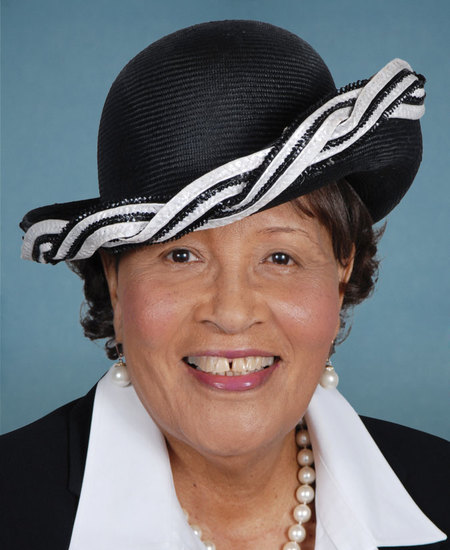
Rep. Alma S. Adams
Sponsored bills
Small Family Farmer And Rancher Relief Act This bill increases premium and insurance subsidies for certain small family farmers and ranchers, creates a program to provide relief to small producers when cattle prices and values exceed a specified threshold level, and establishes a grant program to assist cattle producers to market and add value to beef products.
Restore Protections for Dialysis Patients Act This bill specifies that private health insurers may not limit, restrict, or condition benefits for renal dialysis services for individuals with end-stage renal disease as compared to other types of benefits for other medical conditions under Medicare secondary payer rules.
Original Slavery Remembrance Day Resolution of 2021 This resolution supports the designation of a Slavery Remembrance Day and condemns slavery and its progenies.
Shirley Chisholm Congressional Gold Medal Act This bill provides for the posthumous presentation of a Congressional Gold Medal in commemoration of Shirley Chisholm, in recognition of her activism, independence, and groundbreaking achievements in politics, election as the first African American woman in Congress, and campaign to be the first African American to gain the nomination of a major political party for President of the United States. Following its award, the gold medal shall be given to the Smithsonian Institution where it shall be available for display and research.
Expanding Access to Credit through Consumer-Permissioned Data Act This bill requires the consideration of additional credit information by a mortgage lender when evaluating a consumer's creditworthiness if a consumer requests that this information be considered. This additional information includes current payment and transaction information such as bank statements and rental payment history. Mortgage lenders must provide notice to mortgage applicants of their rights under this bill. Additionally, federal agencies that insure, guarantee, supplement, assist, or underwrite federally backed mortgage loans must also comply with these requirements.
Registration for Index-Linked Annuities Act This bill requires the Securities and Exchange Commission (SEC) to create a new form for the registration of index-linked annuities to ensure that a purchaser can make a knowledgeable decision. The bill defines a registered index-linked annuity as an annuity that is deemed a security, that must be registered with the SEC, and that is issued by an insurance company subject to state supervision. Furthermore, the returns of these annuities (1) are based on the performance of a specified benchmark index or rate, and (2) may be subject to a market value adjustment if amounts are withdrawn early.
Maddy summaryHRES 1282 is a non-binding House resolution expressing support for designating July as "Disability Pride Month." It recognizes that over 61 million U.S. adults live with disabilities and connects the designation to the anniversary of the Americans with Disabilities Act (signed July 26, 1990). The resolution urges Americans to observe the month with celebrations and actively work to prevent discrimination against people with disabilities. It does not create new laws or funding but formally endorses public recognition of disability pride.
No Shame at School Act of 20 22 This bill establishes requirements for the treatment of a child who is participating in the National School Lunch Program or the School Breakfast Program and owes unpaid school meal fees. It also requires local educational agencies to certify certain children (e.g., homeless children) as categorically eligible for free lunches or breakfasts without an application.
Right to Contraception Act This bill sets out statutory protections for an individual's right to access and a health care provider's right to provide contraception and related information. Contraception refers to an action taken to prevent pregnancy, including the use of contraceptives (i.e., a device or medication used to prevent pregnancy), fertility-awareness based methods, and sterilization procedures. Generally, the bill prohibits measures that single out and impede access to contraception and related information. However, a party may defend against a claim that a measure violates the bill's prohibitions by demonstrating, through clear and convincing evidence, that the measure significantly advances access to contraception and cannot be achieved through less restrictive means. The Department of Justice, individuals, or health care providers may bring a lawsuit to enforce this bill, and states are not immune from suits for violations.