

Maddy summaryThis bill directs federal agencies to prioritize the construction of public buildings using domestically sourced mass timber products. It requires the General Services Administration and the Department of Defense to give preference to wood harvested from U.S. forests and produced at facilities located within the country. The legislation further mandates that these wood products come from responsibly managed sources, such as forests undergoing restoration or those managed to prevent wildfires, while also supporting underserved forest owners. Additionally, the bill requires an independent lifecycle assessment of these new buildings to evaluate their environmental impact and a subsequent report to be submitted to Congress.
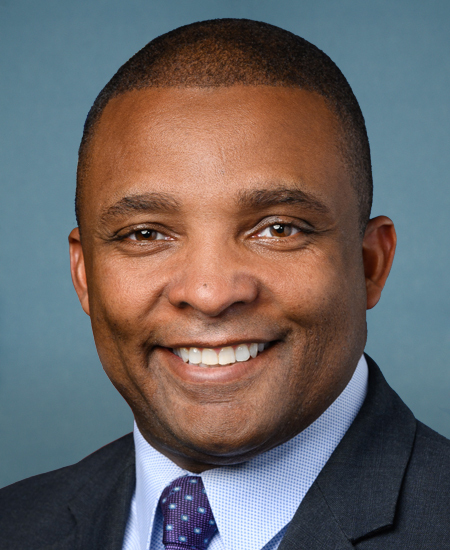
Rep. Donald G. Davis
Sponsored bills
Maddy summaryThe No American Left Behind Act directs the Department of Defense to submit a detailed report to Congress within 180 days regarding its efforts to recover, repatriate, and account for U.S. citizens who are held hostage, unlawfully detained, or missing abroad. This report must specifically cover cases in regions like Syria, Iraq, and Afghanistan and analyze how military planning, intelligence, and diplomatic strategies influence these recovery operations. The legislation requires the Secretary of Defense to assess current policies, identify gaps in authority or resources, and evaluate the feasibility of creating a formal "No American Left Behind" doctrine to guide future efforts. Ultimately, the bill aims to ensure that considerations for the safety and return of American nationals are integrated into core defense planning and contingency operations.
Maddy summaryThe No Equipment Left Behind Act of 2026 requires the Department of Defense to submit detailed reports to Congress within 60 days of any significant troop withdrawal or redeployment in designated areas. These reports must include comprehensive inventories of military equipment, cost estimates for disposal options like selling or destroying items, and specific plans to prevent captured gear from being used by hostile groups. The law also mandates that the Secretary of Defense obtain written approval from senior leadership for any decision to abandon, destroy, or demilitarize equipment valued over $10 million. Additionally, the bill establishes annual reporting requirements and tasks the Government Accountability Office with reviewing how the department implements these new accountability measures.
Maddy summaryHR 5408, the Faster Labor Contracts Act, requires employers to begin negotiating a first contract with a newly certified union within 10 days of written request. If no agreement is reached within 90 days, the parties must seek mediation, and if unresolved after 30 days of mediation, the dispute moves to binding arbitration by a three-member panel. The arbitration decision, based on factors like employer finances, industry standards, and cost of living, becomes binding for two years. This bill directly affects newly certified unions and their employers during initial contract negotiations, aiming to reduce delays that currently average 465 days.
Maddy summaryThis bill establishes a bipartisan Commission on Long-Term Social Security Solvency to study and propose solutions for ensuring the financial stability of Social Security for at least 75 years. The 13-member commission includes appointments from the President, congressional leaders, and committee chairs, with at least half of the congressional appointees required to be non-political experts. After holding public hearings and gathering data, the commission must submit a report with specific legislative recommendations, which Congress is then required to expedite and vote on without amendments. The commission is authorized up to $2 million in funding and will dissolve shortly after submitting its final report.
Maddy summaryThe Never Fight Alone Act expands the Veterans Community Care Program to allow veterans who cannot access VA mental health or substance-use residential treatment programs to receive these services from qualified community providers. This expansion includes specific requirements for community facilities to be state-licensed and accredited by recognized behavioral health standards, with provisions for waivers if no suitable options exist. The bill also mandates that veterans be permitted to choose their preferred care option when multiple providers are available and prohibits denying care solely because a provider cannot meet standard wait times. Additionally, the legislation requires the VA to collect detailed data on care requests and approvals, specifically highlighting mental health cases, and restricts the VA from changing community care access rules without congressional approval.
Maddy summaryThe SHRIMP Act of 2026 directs the Secretary of Commerce to create a testing method for identifying the country of origin for shrimp, covering raw, cooked, and prepared forms. This new methodology must include chemical analysis, be usable in a portable field kit, and minimize testing time to help law enforcement combat illegal fishing and improve food safety. Within 18 months of enactment, officials must develop this approach, and within two years, submit a report detailing the method and a plan to put it into practice. The law specifically applies to shrimp harvested, cultivated, or imported into the United States for human consumption.
Maddy summaryThe Abraham Accords Expansion Act of 2026 updates the legal framework for the Special Envoy to include Central Asia and the Caucasus in normalization efforts alongside existing regions. This change formally recognizes Kazakhstan as the first Central Asian nation to join the Abraham Accords and defines specific countries within the Caucasus and Central Asia regions. The bill requires the Special Envoy to coordinate with other federal agencies like Defense and Commerce while implementing these goals using existing authorities without requesting new funding. Additionally, the act allows the Special Envoy to appoint a Deputy Special Envoy with relevant regional expertise to assist in these expanded diplomatic activities.
Maddy summaryThe LEASH Act of 2026 requires law enforcement agencies seeking federal Byrne Justice Assistance Grants to report data on felony animal cruelty convictions, including the names of those convicted. To qualify for these grants, local governments must submit information on such crimes to the Attorney General and join a specific category of jurisdictions that provide this data. The bill also mandates the creation of a publicly accessible database by the Attorney General to store and periodically update these animal cruelty records. These changes directly affect law enforcement agencies and local governments that apply for federal crime prevention funding.
Maddy summaryThis bill, titled the National Police Athletic/Activities League Youth Enrichment Reauthorization Act, provides federal funding to expand youth programs run by the National Police Athletic/Activities League. The legislation authorizes $16 million annually from 2028 to 2032 to help the organization establish 250 new chapters in distressed areas and expand existing ones to serve more children. Grant funds must be used for after-school activities that include mentorship, academic support, sports, and training to prevent drug use and gang involvement. The program is designed to foster positive relationships between law enforcement and youth while offering alternatives to risky behaviors in communities with high numbers of at-risk children. Recipients of the funds are required to submit reports on their progress and ensure that local communities help design the specific activities offered.