

Maddy summaryHR 6041, the Rural Partnership and Prosperity Act, creates a new grant program to help rural communities coordinate federal, nonprofit, and private investments. It provides multiyear grants (2-5 years) to partnerships - including local governments, nonprofits, tribes, and institutions - that serve rural areas, with priority given to economically distressed regions, areas with high poverty, and communities historically underserved by federal programs. Grants require at least 25% non-Federal matching funds (with waivers available for tribes or high-poverty areas) and fund activities like reducing duplicate federal efforts, leveraging private investment, and developing strategic community plans. The bill also updates the Rural Partners Network to streamline federal coordination and improve access to funding for rural communities.
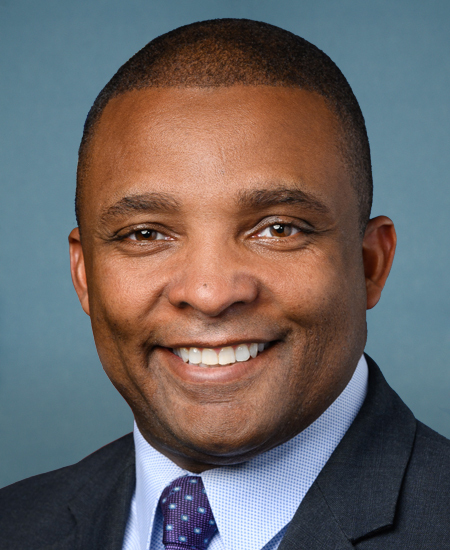
Rep. Donald G. Davis
Sponsored bills
Maddy summaryThis bill removes barriers for people with past drug-related convictions to access federal assistance programs. It amends welfare law to allow states to provide Temporary Assistance for Needy Families (TANF) benefits to individuals with such convictions and prohibits states from denying Supplemental Nutrition Assistance Program (SNAP) benefits based on drug convictions. The bill also adds "incarcerated individuals scheduled for release within 30 days" to SNAP household eligibility criteria. These changes directly affect individuals with past drug convictions seeking welfare or food assistance, removing state-level restrictions that previously barred them.
Maddy summaryThe Rx ACCESS Act improves prescription drug access for TRICARE beneficiaries, including military service members, retirees, and their families, by establishing fair reimbursement standards for pharmacies and expanding medication choice. It requires pharmacies to be reimbursed at actual drug costs (or the national average drug cost for certain medications) plus a standard dispensing fee, while banning hidden fees like point-of-sale charges. Starting October 1, 2026, beneficiaries can choose how they receive non-generic medications for ongoing health conditions. The law also mandates annual audits to verify reimbursement fairness and ensure pharmacy networks provide accessible care, especially in rural and underserved areas.
Maddy summaryThe Independence Investment Fund Act (HR 6412) establishes a Treasury Department fund to invest in U.S. companies developing critical and emerging technologies, prioritizing biotechnology. The fund makes seed-to-mid-stage equity investments (typically $1 million to $10 million per company) to strengthen national security and economic security while aiming for financial self-sustainability through returns. It requires an advisory board to set investment strategy and a supervisory board to approve investments, with annual reporting to Congress on progress toward goals. The bill authorizes $975.5 million for fiscal year 2025 (including $300 million for biotech), directing investments away from foreign entities of concern and toward companies vulnerable to adversarial foreign capital.
Building Resources and Access for Veterans' Mental Health Engagement Act of 2025 or the BRAVE Act of 2025 This bill addresses mental health services and care provided by the Department of Veterans Affairs (VA), including matters related to personnel, Vet Center administration, care for women veterans, and access to care. The bill authorizes the VA to waive the licensure or certification requirement for individual licensed professional mental health counselor appointees for a reasonable period of time. The bill also extends the Staff Sergeant Parker Gordon Fox Suicide Prevention Grant Program and increases the maximum annual grant amount. The VA must provide Vet Centers with guidance for assessing outreach activities and implement processes to periodically assess the extent to which (1) veterans and eligible members of the Armed Forces experience barriers to obtaining services at Vet Centers, and (2) Vet Center staff may encounter barriers to providing services. Among other requirements, the VA must also survey and host listening sessions with women veterans to gauge the effectiveness of the VA’s suicide prevention, lethal-means safety, and mental health resources and messaging campaigns; initiate efforts to modify the Recovery Engagement and Coordination for Health-Veterans Enhanced Treatment (REACH VET) program to incorporate risk factors weighted for women; annually offer a mental health consultation to veterans who are receiving compensation for a service-connected disability relating to a mental health diagnosis; and implement a pilot program to provide access to mental health residential treatment programs for veterans with a spinal cord injury or disorder.
Maddy summaryThis bill establishes a new interagency Task Force to dismantle foreign scam operations targeting Americans, particularly through "pig butchering" scams in Southeast Asia. The Task Force, chaired by the Secretary of State, will coordinate efforts across multiple agencies to shut down scam centers, impose sanctions on perpetrators, and support victims of trafficking. It requires a detailed strategy within 180 days and annual reports to Congress on progress, including sanctions imposed and funds recovered. The bill authorizes $30 million for these efforts in fiscal years 2026-2027, focusing on countries like Cambodia, Laos, and Burma where scam centers operate with forced labor.
Maddy summaryThe PRECISE Act amends existing agricultural programs to specifically support farmers adopting precision agriculture practices and technology. It expands eligibility under the Conservation Loan Program (Section 304 of the Farm and Rural Development Act) for loans covering precision agriculture tools like GPS guidance, soil sensors, and data software. Farmers using these loans can also receive increased payments through the Environmental Quality Incentives Program (EQIP), with costs for precision agriculture practices covered up to 90% of expenses. The bill directly affects agricultural producers seeking to improve efficiency, reduce input waste, and enhance environmental outcomes through technology adoption.
Maddy summaryThis bill increases annual funding for the Rural Economic Development Loan and Grant Program from $10 million to $12 million, effective for fiscal years 2026 through 2030. It directly affects rural communities eligible for loans and grants under this program, which supports local economic development projects. The key mechanism is a specific funding amendment to Section 313B of the Rural Electrification Act of 1936. This change extends and boosts financial resources for rural infrastructure and community initiatives without altering program eligibility or administration.
Maddy summaryThis bill creates federal grants to help community colleges expand agriculture and natural resources programs. It provides competitive funding to community colleges and college consortia to support workforce training, education, research, and outreach - especially when partnering with local agriculture businesses. Funds can be used for equipment, faculty development, apprenticeships, and programming on farm business management topics like accounting and finance. The bill authorizes $20 million annually from 2026-2031, requiring a 3-year evaluation report to Congress on program impacts.
Maddy summaryThis bill establishes the "Expanding Childcare in Rural America Initiative" under the USDA, directing the Secretary of Agriculture to prioritize funding through six existing USDA programs (like rural business grants and essential community facilities loans) for projects addressing childcare availability, quality, or cost in rural and agricultural communities. It specifically prioritizes applications from providers in farming-dependent counties (using USDA 2015 county typology) and requires balanced geographic distribution of funds across rural areas. The initiative runs from fiscal years 2026 through 2030, with the USDA required to evaluate outcomes and report findings to Congress within three years. It directly affects rural childcare providers, families in underserved communities, and existing USDA grant programs.