

Maddy summaryHR 4547, the Laws Ensuring Safe Shrimp Act (LESS Act), creates a dedicated fund using 70% of U.S. import duties on shrimp and shrimp products (e.g., frozen shrimp, shrimp-based dishes) to improve safety and labor compliance. The fund allocates 50% to the FDA for inspecting high-risk shrimp for antibiotic contamination and verifying imports aren’t sourced from forced labor or illegal fisheries, and 50% to the USDA to boost domestic shrimp consumption. It directly affects shrimp importers (who pay the duties), federal agencies (FDA, USDA, CBP), and domestic shrimp producers (who benefit from consumption programs). The bill ensures funding supplements existing programs and remains available until spent, focusing on concrete safety and labor checks rather than speculative outcomes.
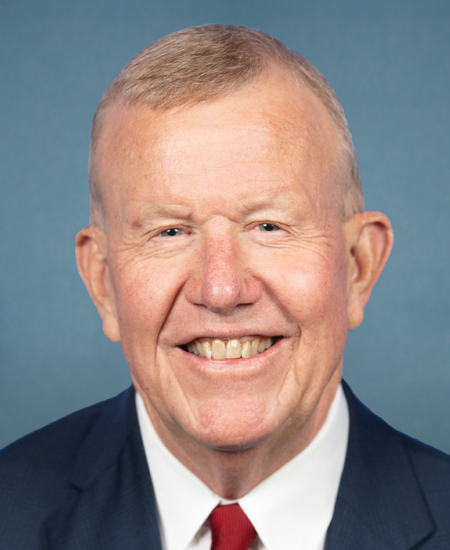
Rep. Mike Ezell
Sponsored bills
Maddy summaryHR 5239, the Gulf of Mexico Commerce Protection Act, prohibits the National Oceanic and Atmospheric Administration (NOAA) from creating a vessel slowdown zone in the Gulf of Mexico until the Commerce Secretary completes and reports on a study. The study must prove that any proposed whale protection measures (specifically for Rice’s whales) would not harm supply chains or maritime commerce. The bill requires the Commerce Secretary to develop and report findings within 60 days to specific congressional committees, and explicitly bans nighttime transit bans or fixed slowdown zones in the required mitigation protocols. This bill directly affects NOAA’s regulatory authority and the Commerce Department’s study process, delaying potential environmental rules pending congressional review.
This resolution honors and recognizes the patriotism and contributions made by generations of veterans service organizations, veteran advocacy groups, and volunteers and commends the members of such organizations for their dedicated service to members of the Armed Forces, veterans, their families, and their communities. The resolution also encourages the people of the United States to promote awareness of the contributions and dedication of members of veterans service, organizations, veteran advocacy groups, and volunteers to members of the Armed Forces, veterans, and their families. Additionally, the resolution calls on citizens to follow the example of such groups and volunteer support and services to those who have served the country.
Maddy summaryHR 5130, the "Finish It Act," requires the Department of Defense to use stored border wall construction materials (valued at approximately $300 million) for building permanent barriers along the U.S.-Mexico border within 30 days of the bill's enactment. It mandates that states receiving materials certify they will use them exclusively for border barriers, with penalties for unused materials (requiring repayment of the original cost) and imposes a 1% budget cut for every two days of delay in implementation. The bill also demands a detailed report from the Department of Defense within 90 days, including internal communications about storage costs and contracts with private landowners. This legislation directly affects the Department of Defense and border states, focusing on redirecting existing resources rather than creating new funding or construction.
Maddy summaryThis is a ceremonial resolution (HRES 622), not a substantive bill. It expresses the U.S. House of Representatives' gratitude and congratulations to the U.S. Coast Guard for its maritime border security efforts in fiscal year 2022. The resolution cites specific achievements like interdicting over 330,000 pounds of narcotics, 12,500 illegal immigrants, and 6,300 vessel boardings. It has no policy impact or legal effect - it solely serves to honor the Coast Guard's service.
Maddy summaryThis bill amends U.S. Code to allow capital construction funds - previously used for vessel upgrades - to cover the replacement or purchase of cargo handling equipment at U.S. marine terminals. It defines "cargo handling equipment" to include U.S.-manufactured gear or foreign-made equipment if U.S. supply is insufficient or low-quality, as determined by terminal operators. The bill prohibits using funds for cranes made in China or fully automated equipment that could cause job losses at terminals. Marine terminal operators (not individual vessels) are the primary beneficiaries, with eligibility tied to equipment meeting specific U.S. manufacturing or supply criteria.
Maddy summaryThe AQUAA Act establishes a regulatory framework for sustainable offshore aquaculture in U.S. waters, creating "aquaculture opportunity areas" in the exclusive economic zone. It requires aquaculture management plans for these areas and sets up a permitting process for offshore facilities, including environmental monitoring and contingency planning requirements. The bill includes provisions for research and development grants to support sustainable aquaculture technology, economic development programs for coastal communities, and protections for marine ecosystems and wild fish stocks. It directly affects offshore aquaculture operators, coastal communities, and federal agencies responsible for regulation, including the Department of Commerce and National Oceanic and Atmospheric Administration. The act aims to expand domestic seafood production through sustainable offshore aquaculture while supporting job creation in the seafood industry.
This resolution condemns Iran for the 1988 massacre of political prisoners. It also urges the Biden Administration and U.S. allies to publicly condemn the massacre and to pressure Iran to provide information to the families of the victims.
Preserving Safety Net Integrity Act of 2023 This bill enacts with the force and effect of law the final rule of the Department of Homeland Security titled Inadmissibility on Public Charge Grounds and published on August 14, 2019. The bill also nullifies the final rule issued by DHS titled Public Charge Ground of Inadmissibility and published on September 9, 2022. The 2019 final rule made it more likely that a non-U.S. national ( alien under federal law) would be denied admission or lawful permanent resident status because that individual is likely to become a public charge (i.e., receive certain public benefits). The 2022 final rule nullified the 2019 final rule.
Maddy summaryHR 3933, the TAP Promotion Act, requires standardized presentations about Veterans Affairs (VA) benefits during military transition counseling for service members separating from the armed forces. These presentations must be approved by the VA, delivered by authorized veterans service organizations (VSOs), and include information on how VSOs assist with VA claims - without encouraging membership in specific organizations. The bill mandates a one-hour limit per presentation and requires the VA to submit annual reports to Congress detailing which VSOs presented, attendance numbers, and recommendations for improvement. This policy directly affects service members preparing for civilian life and the VSOs providing these transition resources.