

Maddy summaryThe Regulatory Review Improvement Act of 2026 modifies how federal agencies conduct periodic reviews of existing regulations. It requires agencies to solicit public comments on whether final rules should remain in effect and mandates that review statements explain any delays in the process. The bill also expands the information agencies must include in their reviews, such as compliance costs, paperwork hours, and economic analyses of the rules. Additionally, agencies must create a summary of public comments that analyzes the feedback before conducting each review. These changes directly affect federal agencies responsible for maintaining and evaluating regulatory rules.
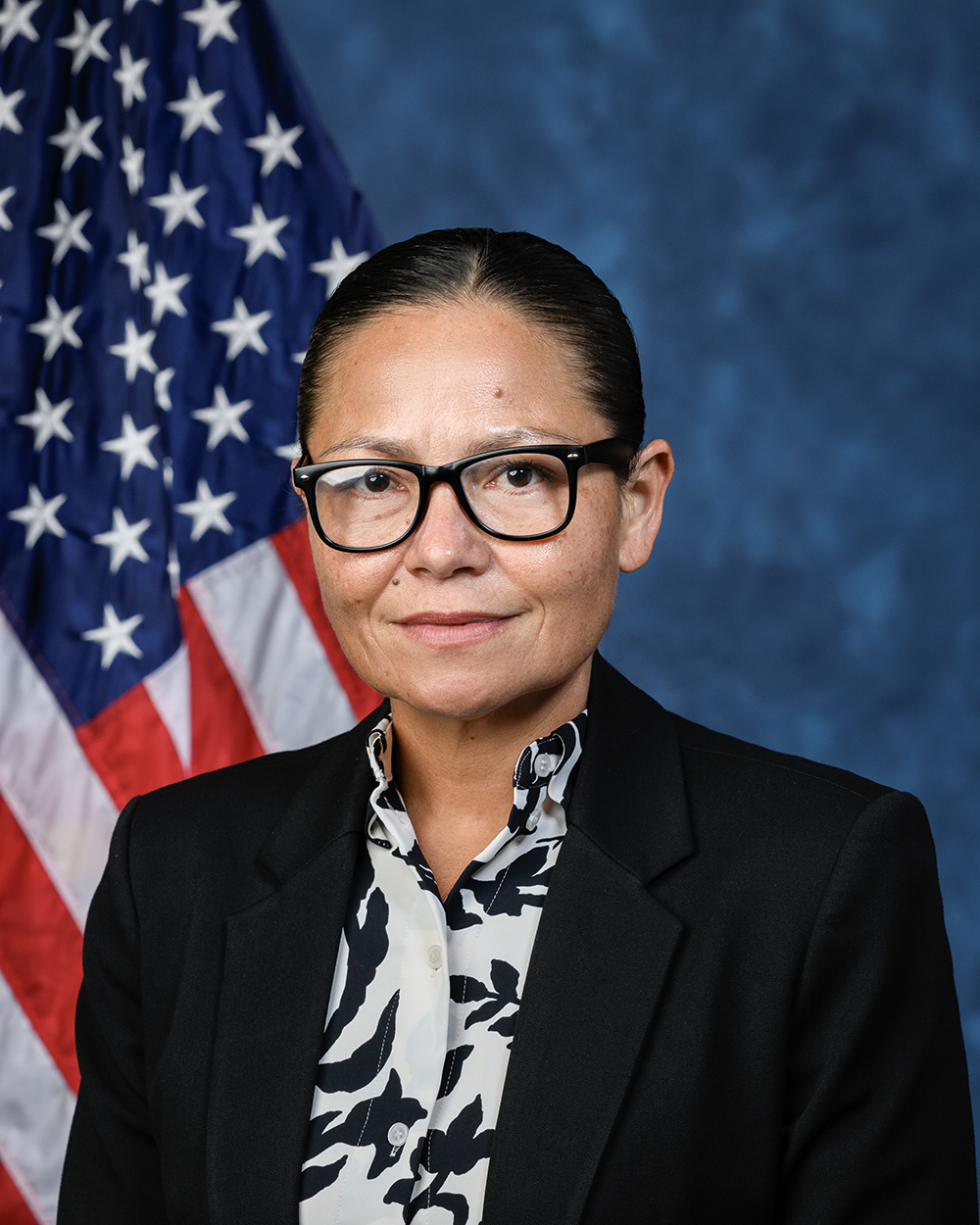
Rep. Kimberlyn King-Hinds
Sponsored bills
Maddy summaryThis resolution expresses support for the United Nations designation of 2026 as the International Year of Rangelands and Pastoralists. It recognizes the economic, social, and ecological importance of rangelands and the ranchers, farmers, and land managers who steward them. The measure encourages federal agencies, universities, and organizations to promote education, research, and outreach related to rangeland management during this designated year.
Love Lives On Act of 2025 This bill extends entitlement for various benefit programs and services for surviving spouses of deceased members of the Armed Forces or veterans. The bill provides that the remarriage of a surviving spouse must not bar the furnishing of dependency and indemnity compensation or special pension benefits to such spouse. Additionally, the Department of Defense may not terminate the payment of an annuity for a surviving spouse under the Survivor Benefit Plan solely because the surviving spouse remarries. The bill also expands the definition of a dependent under TRICARE to include a remarried widow or widower whose subsequent marriage has ended due to death, divorce, or annulment.
Maddy summaryHR 7455 amends the Emergency Food Assistance Act of 1983 to allow certain eligible states to receive their federal food assistance funds as cash instead of physical commodities. This change would let states directly purchase food from commercial markets using these funds, rather than receiving commodities through the federal system. The bill affects states that meet the definition of "eligible State" under the 2018 Farm Bill (Agriculture Improvement Act of 2018). The key provision replaces the current process where the federal government buys and distributes food with a system where states use cash for direct procurement.
Maddy summaryHR 5688, the Non-Domiciled CDL Integrity Act, changes rules for issuing commercial driver's licenses (CDLs) to people who don't live in the state where the license is issued. It allows states to issue CDLs to foreign nationals with lawful U.S. immigration status and work-related visas (valid for up to one year or until their stay ends), requiring states to verify status before issuing and keep records for two years. For residents of U.S. territories like Puerto Rico, it requires proof of U.S. citizenship or permanent residency before issuing CDLs, with similar verification and record-keeping rules. The bill directly affects commercial drivers from foreign countries and U.S. territories seeking CDLs in states where they are not residents.
Maddy summaryThis bill exempts H-1B visa holders working in healthcare from a presidential restriction that requires a $100,000 payment for entry into the United States. It directly affects foreign medical professionals and healthcare workers who hold H-1B nonimmigrant visas. The legislation removes the additional fee requirement for these workers while limiting any fees that may be charged to the standard amount already established under immigration law. The bill defines healthcare workers using the existing definition from the Affordable Care Act and was introduced in the 119th Congress in March 2026.
Maddy summaryHR 7932, the HONOR Gold Star Families Act, increases the death gratuity paid to families of service members who died in the line of duty. It raises the current $100,000 payment to $200,000 for deaths occurring on or after January 1, 2026. The bill also adds an annual cost-of-living adjustment to this amount, increasing it each January 1 based on the previous year’s inflation rate as measured by the Consumer Price Index. This directly affects Gold Star Families - those who have lost a service member in military service - by providing a larger initial payment and ensuring future payments keep pace with inflation.
Territorial Student Access to Higher Education Act This bill requires public institutions of higher education that participate in federal student aid programs to charge no more than in-state tuition and fee rates to students who are residents of Guam, the Northern Mariana Islands, American Samoa, or the U.S. Virgin Islands, provided they are also U.S. nationals.
Maddy summaryThis bill requires the Department of Veterans Affairs to create and maintain a database of certified veteran-owned and service-disabled veteran-owned small businesses to help meet its subcontracting goals. The database will categorize businesses based on whether the owners have service-connected disabilities and will exclude companies involved in mentor-protege programs or joint ventures, as well as those without a satisfactory performance history. The database will be available to businesses bidding on VA contracts to help them develop subcontracting plans, and the Secretary must submit a report to Congress within 180 days of establishment detailing usage and results. Implementation will use existing VA resources without additional funding, and the requirement will expire on December 31, 2028.
Maddy summaryThe CAR SEAT Act requires the Transportation Secretary to launch a public education campaign within one year of enactment, focusing on the dangers of noncompliant or counterfeit car seats and boosters that don't meet federal safety standards (49 CFR §§ 571.213 and 571.213b). It authorizes $1.5 million for this campaign to help caregivers identify unsafe products. The bill also amends highway safety programs to include education about unsafe child restraints as part of public information efforts, specifically targeting underserved communities. This law directly affects parents and caregivers of young children who purchase or use car seats, aiming to improve awareness of safety risks through education, not new regulations.