

Maddy summaryThis bill, the Provider Reimbursement Stability Act of 2026, aims to create more predictable payment adjustments for physicians and other healthcare providers under the Medicare program. It directly affects medical practices and providers who receive reimbursement for services through the physician fee schedule. The legislation increases a threshold for certain budget neutrality calculations from $20 million to $54.3 million in 2027, with automatic increases every five years thereafter. It also requires the government to correct payment estimates when actual service usage differs significantly from projections, mandates regular updates to cost calculations for practice expenses, and limits how much Medicare payment rates can change from year to year to a maximum of 2.5 percent.
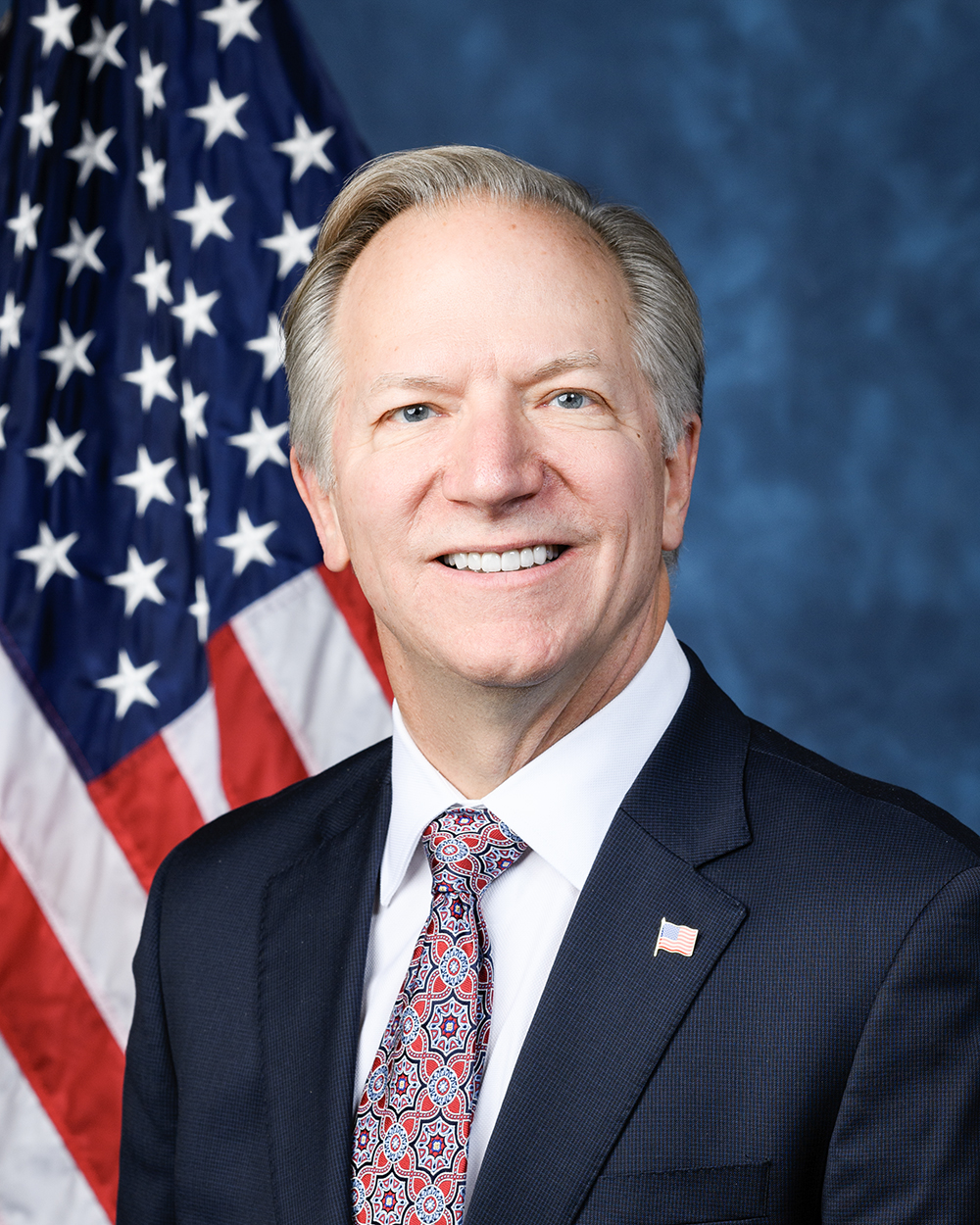
Rep. Robert F. Onder, Jr.
Sponsored bills
Maddy summaryHR 2616, the PROTECT Kids Act, requires public elementary and middle schools receiving federal education funding to obtain parental consent before changing a student's gender markers, pronouns, or preferred name on school forms, or before assigning them to sex-based accommodations like locker rooms or bathrooms. The bill directly affects minor students in elementary school or middle grades (ages typically 5-14). Schools must secure this consent as a condition for maintaining federal funding under the Elementary and Secondary Education Act. The law focuses on specific administrative changes to student records and facility assignments, not broader educational content or curriculum.
Maddy summaryThis bill would amend federal law to strengthen penalties for organized retail crime by expanding definitions of theft to include digital goods, gift cards, and setting a $5,000 aggregate value threshold for charges over a 12-month period. It would establish a new "Organized Retail and Supply Chain Crime Coordination Center" under Homeland Security to coordinate Federal, State, local, and Tribal law enforcement efforts against cross-jurisdictional theft groups. The Center would share information with retailers, transportation companies, and law enforcement agencies, track crime trends, and produce annual reports on organized retail crime. This legislation directly affects retailers, supply chain businesses, and law enforcement agencies, while targeting organized crime groups responsible for a 93% increase in larceny incidents and rising safety concerns for retail employees. The bill aims to address significant financial losses and supply chain disruptions noted in the National Retail Federation's 2023 data.
Maddy summaryHR 8603, the Dismemberment Abortion Ban Act of 2026, prohibits physicians from performing abortions that involve dismembering an unborn child and extracting it piece by piece or crushed from the uterus. The law allows exceptions only when the procedure is necessary to save the mother's life, while explicitly permitting other abortion methods for reasons such as rape or incest. It imposes criminal penalties of up to two years in prison or fines on physicians who violate the ban and creates a civil lawsuit system where women or parents of minors can seek monetary damages and attorney fees against providers. The bill also defines an 'unborn child' as a human organism from fertilization until birth and clarifies that the woman undergoing the procedure cannot be prosecuted or held financially liable.
Maddy summaryThis bill requires the Postmaster General to submit a detailed report on the performance of the United States Postal Service in the St. Louis region, specifically addressing issues identified in recent audits regarding slow mail processing and delivery delays. The report must analyze workforce conditions such as staffing shortages and high turnover rates, while also evaluating the accuracy of the system used to track delayed mail. Additionally, the legislation mandates that the report outline current management accountability measures and describe the steps taken to fix the specific operational problems found in previous government reviews.
Maddy summaryHR 6373 modifies the Clean Air Act to create new permitting flexibility for specific facilities. It allows the President to waive certain emission offset requirements for new or modified semiconductor manufacturing facilities or critical mineral facilities (like those processing lithium or cobalt) if deemed necessary for national security. States can also permit these facilities to use alternative offset methods - such as paying an emissions fee capped at 1.5 times local control costs - if all standard offsets are exhausted, with fees required to fund further emissions reductions in the area. The bill directly affects advanced manufacturing and critical mineral operations seeking streamlined permitting.
Maddy summaryThe Medicare Advantage Improvement Act of 2026 aims to speed up care decisions and increase transparency for Medicare Advantage enrollees and providers. Starting in 2028, the bill requires insurance plans to respond to most prior authorization requests within 72 hours and to provide real-time decisions for low-risk services, while also banning requirements for re-authorization when a treatment plan is clinically modified. The legislation introduces a new compliance scoring system that will publicly rank plans and reduce payments to those with poor performance, alongside stricter rules ensuring medical necessity standards match those of traditional Medicare.
Maddy summaryThis bill requires the federal government to conduct a comprehensive review of each state's child care program performance every three years. States with unresolved audit issues, repeated failures to fix problems, or ongoing noncompliance with approved plans would be labeled "high risk." High-risk states would then face additional federal monitoring. The law directly affects all 50 states and territories that receive federal child care funding under the Child Care and Development Block Grant program. It creates a structured, periodic review system to ensure states meet federal accountability standards.
Maddy summaryThe Supersonic Aviation Modernization Act requires the Federal Aviation Administration (FAA) to issue new regulations within one year of enactment, enabling commercial supersonic flights (faster than the speed of sound) over U.S. airspace without special permission. These regulations would only permit such flights if the aircraft is operated to prevent sonic booms from reaching the ground. The bill directly affects companies developing and operating supersonic aircraft, as well as the FAA, which must revise existing rules to accommodate this change. This policy shift removes current barriers to routine supersonic travel in U.S. airspace under specific noise-reduction conditions.
Maddy summaryThe TECH Act would allow qualified technical schools to receive the same federal grant funding as traditional two-year and four-year colleges. It directly affects vocational institutions that offer specific career training programs in high-demand fields like healthcare, manufacturing, and public safety. The bill requires federal agencies to update eligibility rules and application processes within 180 days to include these schools in existing grant programs. To qualify, technical schools must offer programs of at least 150 clock hours that lead to recognized industry credentials and meet state educational requirements. The legislation aims to expand workforce training opportunities by treating technical schools equally with other higher education institutions for federal funding purposes.