

Maddy summaryHR 6466, the Forced Abortion Prevention and Accountability Act, prohibits non-consensual administration of abortion drugs (like mifepristone or misoprostol) to pregnant women without their informed consent. It criminalizes this act with penalties up to 25 years in prison and allows victims to sue for triple damages, psychological/physical injury compensation, and attorney fees. The bill directly affects pregnant women who might face coerced procedures and medical providers or others who administer such drugs without consent. Key provisions include criminal penalties for the act itself, enhanced penalties for serious injury or death, and a civil remedy framework for victims seeking compensation.
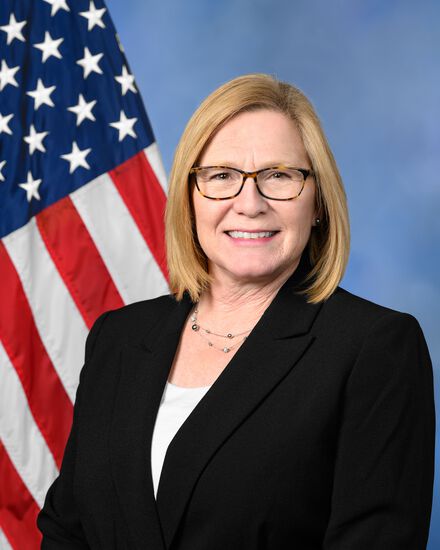
Rep. Michelle Fischbach
Sponsored bills
Maddy summaryHR 4313, the Hospital Inpatient Services Modernization Act, extends Medicare's waiver allowing acute hospital care at home until 2030 (previously expiring in 2025). It requires the Secretary of Health and Human Services to conduct a detailed study by September 2028 comparing home-based hospital care to traditional inpatient care. The study must analyze quality metrics (like readmission rates and patient outcomes), costs, staffing patterns, and patient demographics - including racial, ethnic, and socioeconomic data - across participating and non-participating hospitals. This bill directly affects Medicare beneficiaries receiving home-based care and hospitals operating under the waiver program.
Maddy summaryHCONRES 58 is a symbolic congressional resolution denouncing socialism in all its forms. It does not create new laws or affect any policies, as it is a non-binding statement of opinion. The resolution cites historical events and quotes from Founding Fathers to argue that socialism leads to authoritarianism and economic harm, referencing examples like the Soviet Union and Venezuela. It formally "denounces" socialism and opposes implementing socialist policies in the U.S., but has no legal effect on citizens or government actions. This is a procedural resolution, not a policy measure.
Maddy summaryHR 6019 repeals a requirement that Senate offices must be notified when legal requests seek Senate data. Specifically, it removes Section 213 of the 2026 appropriations act, which mandated that Senate offices be informed about legal processes requesting disclosure of Senate data. This change directly affects Senate offices by eliminating a procedural notification step for legal requests involving their data. The bill makes no other policy changes, solely removing this specific administrative requirement.
Maddy summaryHRES 873 is a procedural resolution that sets the rules for the House to vote on the Senate's amendment to H.R. 5371, the bill funding government operations through fiscal year 2026. It allows the House to directly consider whether to accept the Senate's version of the funding measure without debate restrictions, with the Committee on Appropriations controlling a one-hour debate period. This resolution does not change the funding levels or policies in H.R. 5371 but streamlines the process for finalizing the fiscal year 2026 appropriations bill. The actual policy effects would depend on the content of H.R. 5371 and its Senate amendment, not this procedural step.
Maddy summaryHR 5944, the Restoring Inpatient Mental Health Access Act of 2025, removes a longstanding Medicaid coverage barrier for inpatient mental health services. It amends the Social Security Act to allow federal Medicaid funding for care provided in mental health facilities (previously excluded as "institutions for mental diseases") for services furnished on or after January 1, 2027. This change directly affects Medicaid beneficiaries requiring inpatient mental health treatment by enabling federal financial support for those services. The bill does not create new programs but updates existing Medicaid rules to expand coverage for this critical care. The policy change takes effect January 1, 2027, with no retroactive application.
Maddy summaryThis bill ensures continuous funding for SNAP (food assistance) and WIC (nutrition program for mothers/children) during government funding gaps. It authorizes emergency Treasury funds to cover SNAP/WIC benefits and reimburse states for costs if Congress fails to pass regular appropriations for the Department of Agriculture by September 30, 2025. The funding covers missed payments retroactively from September 30, 2025, through the bill’s enactment date, and continues until either regular appropriations pass or September 30, 2026. It directly affects low-income households relying on these programs and state agencies administering them during funding lapses.
Maddy summaryThis bill ensures that critical firearm-related government operations continue during federal shutdowns. It designates background checks (via the FBI's National Instant Criminal Background Check System), Bureau of Alcohol, Tobacco, Firearms and Explosives enforcement, and firearm export licensing (handled by Commerce and State Departments) as essential services that must remain operational. These functions would be treated as "excepted" under federal law, meaning their employees would continue working even if other government services halt. The bill affects how background checks and firearm export licenses are processed during shutdowns but does not change gun ownership laws or eligibility.
Maddy summaryThe FREE Act (HR 689) requires federal agencies to replace slow, discretionary permitting processes with a streamlined "permitting by rule" system for certain permits. Under this system, applicants would certify compliance with written standards (instead of lengthy agency reviews) and receive a permit automatically after 180 days if the agency doesn’t act. Agencies must first report on their current permitting processes and identify which permits can transition to this model, with deadlines for submissions and implementation. This directly affects federal agencies issuing permits (e.g., environmental or construction permits) and applicants seeking them, aiming to reduce delays and costs while allowing agencies to audit and enforce compliance after permits are granted.
Maddy summaryHR 197, the Lake Winnibigoshish Land Exchange Act of 2025, authorizes a land exchange between a Minnesota land company (BWLT) and the federal government. It allows BWLT to transfer 36.7 acres of private land to the U.S. in exchange for 17.5 acres of federal land in Itasca County, with the transferred federal land added to the Chippewa National Forest. The exchange requires equal land value (with cash adjustments if needed), a mandatory environmental assessment by BWLT, and approval of title and appraisals meeting federal standards. The bill ensures the transaction is finalized within one year of BWLT’s offer, with BWLT covering all closing costs and survey expenses.