

Maddy summaryHR 8492 prohibits wildlife killing contests - events where participants kill animals for cash, prizes, or entertainment - on all federal public lands managed by agencies like the National Park Service or U.S. Forest Service. It specifically bans contests targeting species such as coyotes, foxes, and bobcats, except for field trials with hunting dogs, contests for deer/birds (Galliformes/Anatidae), or agency-led invasive species control. The law requires federal agencies to issue implementing regulations within a year of enactment. It directly affects organizers, sponsors, and participants of such contests on federally managed lands, while allowing states to maintain stricter rules.
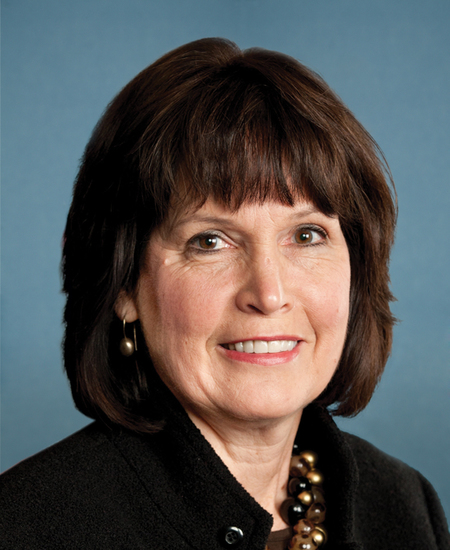
Rep. Betty McCollum
Sponsored bills
Maddy summaryThe Protecting Communities from Plastics Act of 2024 establishes new environmental standards for plastic production facilities, including a temporary moratorium on new permits for covered facilities during a "temporary pause period." It requires environmental justice assessments for permits affecting fenceline communities (low-income communities and communities of color near plastic facilities) and sets specific targets to reduce single-use plastics by 25% and increase reusable/refillable packaging by 30% by 2034. The bill mandates comprehensive reporting on plastic production and distribution, including a national inventory of plastic manufacturing, and requires continuous air and water quality monitoring near plastic facilities. This legislation directly affects plastic producers, manufacturers, and communities located near plastic production facilities, particularly those disproportionately impacted by plastic pollution.
Maddy summaryThis bill would require the federal government to cover 100% of state agencies' costs for SNAP program staff salaries, hiring, and training. It sets minimum wage standards for SNAP workers at the same rate as federal employees, with annual updates tied to federal pay increases. States must submit detailed wage plans for federal approval. The policy aims to improve staffing stability and retention for SNAP operations.
This resolution supports the designation of National FFA Week. It also (1) recognizes the important role of the National FFA Organization (Future Farmers of America) in developing the next generation of globally conscious leaders who will change the world; and (2) celebrates the 10th anniversary of the Give the Gift of Blue program, which has donated more than 17,000 FFA blue jackets to FFA members in need.
Maddy summaryThis bill bans the sale and use of adhesive rodent traps that cause prolonged suffering. It amends federal pesticide law to prohibit "covered glue traps" - defined as devices using non-drying adhesive to immobilize rodents, leading to death by starvation, dehydration, or suffocation. The prohibition directly affects pest control companies, food processors, and homeowners who currently use these traps. The law applies to both selling/distributing and using such traps, aligning with existing bans in other jurisdictions over animal welfare and health concerns.
Maddy summaryHR 9408, the Pedestrian Protection Act, requires the U.S. Secretary of Transportation to establish new safety standards for motor vehicles to reduce collisions and injuries involving pedestrians, bicyclists, and other vulnerable road users. The bill mandates rulemaking within 3-4 years to set standards for vehicle design features (like hood, bumper, and windshield design) and minimum visibility requirements, with full compliance required 2 years after final rules are issued. It also directs the creation of public comparative ratings for vehicle safety technology and driver visibility features, with a report to Congress due within 5 years. The law directly affects vehicle manufacturers by requiring design changes and new safety disclosures, while prioritizing the safety of pedestrians and cyclists in vehicle design.
Maddy summaryThe Active Shooter Alert Act of 2024 establishes a national coordination system for active shooter alerts by designating a Department of Justice Coordinator. The Coordinator will work with federal agencies (FEMA, FCC, Transportation) and state/local governments to develop voluntary best practices for alert systems, including geotargeted notifications, multilingual messaging, and training for transportation authorities. The bill requires annual reports to Congress on state adoption of protocols and mandates a Comptroller General study on state response times to active shooter alerts, funded by $2 million for the Department of Justice. It does not mandate state adoption but encourages coordination to improve alert effectiveness.
Maddy summaryThe NO BAN Act (HR 9244) prohibits U.S. immigration authorities from denying visas or entry based on national origin, religion, or sex. It amends immigration law to explicitly ban such discrimination in visa decisions and tightens restrictions on the president’s power to suspend entry of certain groups under Section 212(f). The bill requires specific evidence, narrow tailoring, time limits, and congressional notification for any entry restriction, while mandating public reports on visa denials and waivers. It directly affects nonimmigrant visa applicants (e.g., students, workers) and federal agencies administering immigration policy.
Maddy summaryHRES 1397 is a non-binding congressional resolution expressing support for designating July as "Disability Pride Month" in the United States. It highlights that 61 million American adults and over 3 million children live with disabilities, notes the anniversary of the Americans with Disabilities Act (ADA) on July 26, 1990, and acknowledges ongoing discrimination risks faced by people with disabilities. The resolution calls on the public, organizations, and affected individuals to observe Disability Pride Month through celebrations and to actively prevent exclusion and discrimination against people with disabilities. It does not create new laws or funding but formally recognizes the contributions of the disability community and aligns with existing annual observances. This resolution directly supports the disability community and encourages nationwide participation in promoting inclusion.
Maddy summaryHR 9196, the Pregnancy Empowerment Act of 2024, prohibits states from delaying or denying divorce petitions solely because a person is pregnant. This directly affects pregnant individuals - particularly women of color and those experiencing intimate partner violence - who face barriers to finalizing divorces during pregnancy, trapping them in abusive relationships. The bill mandates that states cannot consider pregnancy status when processing divorce filings, addressing findings that such delays increase risks of violence and reproductive coercion. It aims to remove legal obstacles that prevent pregnant people from accessing divorce, a critical step for safety and autonomy.