

Maddy summaryThe PHARA Act of 2025 requires the National Institutes of Health (NIH) to immediately release all required funding for existing research grants and rapidly pay pending reimbursements. It prohibits NIH from terminating active research grants (entered after the bill's enactment) solely due to shifting agency priorities or program goals, and mandates new termination clauses requiring 90 days' written notice and attempts to amend terms before ending agreements. This directly affects researchers and institutions receiving NIH grants, ensuring funding continuity for ongoing projects. The bill aims to prevent abrupt halts in scientific research by restructuring grant termination processes.
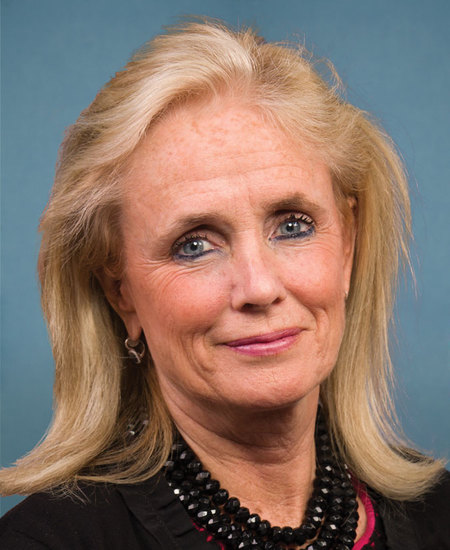
Rep. Debbie Dingell
Sponsored bills
Maddy summaryThe Domestic Workers Bill of Rights Act (HR 3971) would establish key labor protections for domestic workers, including nannies, housekeepers, and caregivers who work in private homes. The bill requires written agreements for workers employed 8+ hours per week, provides earned sick days (1 hour for every 30 hours worked), mandates fair scheduling practices with 72-hour notice for schedule changes, and extends overtime protections to live-in domestic employees. It also prohibits unfair wage deductions, guarantees meal and rest breaks, and ensures privacy protections including no monitoring in private living spaces. The bill directly affects approximately 2.2 million domestic workers across the U.S., who are disproportionately women of color and immigrants. Enforcement would be handled by the Department of Labor through new complaint resolution mechanisms and oversight.
Maddy summaryThe Veterans Patient Advocacy Act (HR 2068) requires the Department of Veterans Affairs (VA) to ensure rural veterans can access patient advocates at VA medical facilities, including assigning advocates to rural community-based outpatient clinics when feasible. This policy directly affects veterans receiving care at rural VA locations by providing dedicated support to help navigate healthcare services. The VA must implement this change within two years of the bill’s enactment, and the Government Accountability Office (GAO) must report on implementation progress within the same timeframe. The law focuses on improving access to advocacy for a specific group (rural veterans) without altering broader healthcare benefits or funding.
Maddy summaryThis bill codifies existing protections for designated roadless areas within the National Forest System by prohibiting new road construction, road reconstruction, and logging in these areas. It directly affects National Forest lands already identified as "inventoried roadless areas" under the current Roadless Rule, which covers roughly 58 million acres. The key mechanism requires the Secretary of Agriculture to enforce these prohibitions, maintaining current protections without expanding restrictions to other lands or altering existing multiple-use management. The bill does not create new protected areas but legally solidifies the existing regulatory framework to preserve ecological and recreational values.
Maddy summaryThis bill requires private firearm transfers between individuals to go through a licensed dealer who must conduct a background check. It applies to most private sales but includes exceptions for transfers between family members (like parents and children), law enforcement, emergencies preventing harm, and temporary loans at shooting ranges or for hunting. Dealers must provide background check notices in both English and Spanish. The law aims to prevent prohibited individuals from obtaining firearms through private transactions while maintaining existing state authority on firearm laws.
Maddy summaryHR 3884, the Telemental Health Care Access Act of 2025, expands Medicare coverage for mental and behavioral health services provided via telehealth. It removes geographic restrictions that previously limited telehealth mental health coverage to rural areas, allowing beneficiaries nationwide to access these services through telehealth. The bill amends the Social Security Act to explicitly include "mental and behavioral health services furnished through telehealth" under Medicare coverage rules. This change directly affects Medicare beneficiaries seeking remote mental health care, making it easier to receive these services regardless of location. The policy change applies to all Medicare Part B beneficiaries using telehealth for qualifying mental or behavioral health services.
Maddy summaryThe Runaway and Homeless Youth and Trafficking Prevention Act of 2025 amends federal law to provide funding for programs serving runaway, homeless, and at-risk youth, primarily aged 15-22 with some services extending to youth up to age 26. It establishes basic center grants for temporary shelter (up to 30 days) and transitional living programs that provide housing, counseling, and services tailored to youth's age, gender, and developmental needs. The bill requires programs to collect data on vulnerable populations including LGBTQ youth, youth of color, and those in the child welfare system, and mandates trauma-informed services for youth victims of trafficking. It authorizes $200 million annually for these programs, with specific funding allocations to support prevention services, street outreach, and coordination with education and child welfare systems.
Maddy summaryHR 3873 (KO Cancer Act) directs the National Cancer Institute (NCI) to receive 25% more annual funding for cancer research in fiscal years 2026-2030 compared to 2022 levels, with these funds in addition to existing appropriations. It also requires the Department of Health and Human Services to study the causes of cancer drug shortages - including economic factors, supply chain issues, and regulatory delays - and submit a report with recommendations to Congress within one year of enactment. The bill directly affects the NCI, cancer researchers, and patients by increasing research funding and addressing drug access barriers. Its key provisions are a specific funding increase for NCI research and a mandated study on cancer drug shortages, aiming to improve treatment availability through evidence-based solutions.
Maddy summaryThis resolution (HRES 484) is a non-binding congressional expression of support for designating the first week of June as "Hidradenitis Suppurativa (HS) Awareness Week." It directly affects the estimated 3.3 million Americans living with HS, a chronic skin disease causing painful symptoms and significant health challenges. The resolution recognizes the need to increase public and medical awareness, improve timely diagnosis, support research, expand access to treatments, and address disparities in care for HS patients and their caregivers. It does not create new laws or funding but aims to foster greater understanding and progress in addressing this condition.
Maddy summaryThe VET PFAS Act (HR 3639) provides VA health care coverage for veterans and their family members exposed to PFAS chemicals at military bases, without requiring proof linking illness to exposure. Veterans who served at contaminated bases and family members who resided there (or were in utero while the veteran lived there) can now receive treatment for specific conditions like testicular cancer, kidney cancer, thyroid disease, and pregnancy-related hypertension. The law creates a presumption that these conditions are service-connected, streamlining access to VA benefits. Annual reports will track program usage, including the number of veterans and families receiving care and the conditions treated.