

Maddy summaryThis resolution (HRES 677) is a formal statement by the House of Representatives affirming the Federal Reserve's independence from political influence. It specifically supports Chairman Jerome Powell and the Board of Governors in making monetary policy decisions based on economic data, not political pressure. The resolution urges the President and executive branch to respect the Fed's statutory independence and avoid actions or rhetoric that could undermine its credibility. It emphasizes that maintaining this independence is critical for economic stability, price control, and global confidence in U.S. financial markets.
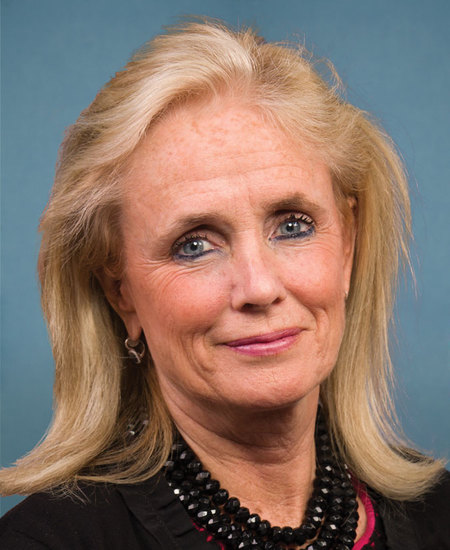
Rep. Debbie Dingell
Sponsored bills
Maddy summaryHR 5073, the INFORM Act of 2025, requires immigration authorities to notify the immediate family of a detained individual within 24 hours if they are transferred to a different detention facility. This applies directly to immigrants held under U.S. immigration law and their immediate family members, defined as parents, children, spouses, and certain extended family like step-relatives or domestic partners. The law mandates that notifications include the reason for the transfer and full contact details (name, address, phone number, and point of contact) for the new facility. It establishes a specific timeline and content requirement for these notifications to improve transparency during detention transfers. The bill focuses on procedural changes for facility transfers, not on altering detention policies or immigration eligibility.
Maddy summaryHRES 671 is a non-binding House resolution expressing support for treating mental health with the same priority as physical health to combat suicide and overdose epidemics. It calls for enforcing existing mental health parity laws in insurance coverage, reducing cultural stigma around mental illness, and backing the 2024 National Suicide Prevention Strategy. The resolution directs the House to advocate for increased funding and resources to expand mental health workforce capacity, improve access to medication-assisted treatment, and implement evidence-based suicide prevention programs. It specifically emphasizes supporting school-based mental health services, culturally tailored care, and digital campaigns targeting youth. As a symbolic resolution, it does not create new laws or allocate funds but urges federal and state action on these priorities.
Maddy summaryThe Telehealth Modernization Act extends key Medicare telehealth flexibilities through 2027, removing geographic restrictions and allowing audio-only visits. It expands who can provide telehealth services (including nurse practitioners and rural health clinics) and requires new guidance for serving patients with limited English proficiency. The bill also extends certain hospice care provisions and includes virtual diabetes prevention program options. These changes directly affect Medicare beneficiaries, healthcare providers, and telehealth technology companies.
Maddy summaryHR 5048, the "Don’t STEAL Act," amends the Fair Labor Standards Act to ensure workers receive the highest wage promised in their contracts or collective bargaining agreements, whichever exceeds federal or state minimum wage requirements. It directly affects employees engaged in commerce or working for businesses involved in commerce, requiring employers to pay at least the higher of their agreed-upon wage or the legal minimum. The bill establishes criminal penalties for willful wage theft exceeding $1,000 (up to 5 years in prison) and civil penalties for all unpaid wages, with fines funding the Department of Labor’s Wage and Hour Division enforcement efforts. These changes apply to violations occurring 90 days after enactment.
Maddy summaryHRES 657 is a non-binding House resolution affirming that the retirement age for Social Security and Medicare should not be raised, referencing President Trump’s 2024 pledge. It states the House’s position that current eligibility ages must be preserved, rejecting proposals to delay access to benefits for seniors. The resolution highlights that raising retirement ages would disproportionately impact workers in physically demanding jobs and lower-income communities who rely on these programs for income and healthcare. As a symbolic statement - not a law - it expresses support for maintaining existing benefits but does not change policy or create new obligations.
Maddy summaryThis bill amends the Food and Nutrition Act to clarify that Social Security benefits (income under Title II of the Social Security Act) are not counted when determining eligibility for SNAP (Supplemental Nutrition Assistance Program) benefits. It directly affects seniors receiving Social Security who rely on SNAP for food assistance, ensuring their Social Security payments do not reduce their SNAP benefits. The key change adds Social Security income to the list of non-countable resources under SNAP rules. The amendment takes effect 90 days after the bill is enacted.
Maddy summaryHR 4966 prohibits grocery stores from selling items at "grossly excessive prices," defined as 120% or more above the average market price over the previous six months (with exceptions for unavoidable cost increases like supply chain issues). It bans using facial recognition or personal data to set different prices for individual customers (e.g., adjusting prices based on shopping history) and requires clear signage if facial recognition is used. Stores over 10,000 square feet must replace electronic shelf labels with physical price tags. The Federal Trade Commission enforces these rules, allowing consumers to seek $3,000 per violation or actual damages, with penalties for willful violations.
Maddy summaryThis bill requires employers with 50+ call center employees to notify the Labor Secretary 120 days before moving operations overseas or contracting such work abroad. It creates a public list of these employers, barring them from federal grants or loans for 5 years (with limited exceptions for national security or job loss). Businesses must disclose agent locations and AI use at the start of customer service calls, allowing consumers to request transfer to a U.S.-based human agent. The law applies to all major call center employers and takes effect one year after enactment.
Maddy summaryHR 4874 creates a federal grant program to fund supportive services for residents in affordable housing properties assisted by federal programs like low-income housing tax credits, Section 8 housing, and supportive housing for seniors or people with disabilities. Eligible non-profits managing such properties can receive 5-year grants to provide voluntary services including health access, educational programs, financial literacy, housing stability support, and assistance with public benefits. Grantees must use at least 25% of funds for staff salaries and training, while no more than 75% can cover direct resident services like mentoring or home modifications. The program aims to improve resident outcomes by connecting them to community resources without requiring participation in any service.