

Maddy summaryHR 5444, the Medical Laboratory Personnel Shortage Relief Act of 2025, addresses staffing gaps in medical labs by expanding federal support for laboratory professionals. It adds medical laboratory personnel - including phlebotomists, technicians, and genetic counselors - to the National Health Service Corps (NHSC) programs, creating targeted assignments in underserved areas and including them in loan repayment programs. The bill also establishes a new grant program providing $25 million for the first year to fund accredited education programs (associate’s to graduate degrees) that train lab personnel, prioritizing rural, disadvantaged, and culturally competent training. These changes directly affect medical laboratory science students, current lab workers, and educational institutions offering accredited lab training programs. The legislation aims to increase workforce capacity through recruitment, training, and targeted deployment.
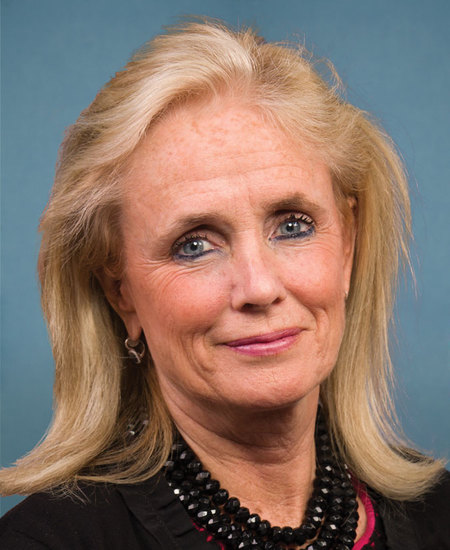
Rep. Debbie Dingell
Sponsored bills
Maddy summaryThis bill requires the 988 Suicide Prevention Lifeline to establish a dedicated "Press 3" option (via IVR) for LGBTQ+ youth seeking crisis support, directly affecting LGBTQ+ youth who face a four times higher suicide risk than peers. It mandates that at least 9% of funds allocated for the lifeline's services be reserved specifically for these specialized LGBTQ+ youth services. The bill amends existing law to formalize this dedicated resource, building on current services that handled over 1.5 million contacts from LGBTQ+ youth in 2025. This creates a concrete policy change for accessing tailored crisis support without altering other lifeline operations.
Maddy summaryHR 5443, the Fair Housing Improvement Act of 2025, expands federal housing anti-discrimination protections to include "source of income," "veteran status," and "military status." It defines "source of income" broadly to cover housing vouchers, Social Security benefits, child support, and other lawful income sources like savings or gifts. The bill adds these categories to all existing anti-discrimination provisions in the Fair Housing Act, prohibiting housing providers from refusing to rent or sell based on these factors. This directly affects renters and homeowners using housing assistance, veterans, active military members, and individuals receiving non-wage income.
Maddy summaryThis bill creates a user fee system for facilities that manufacture over-the-counter (OTC) monograph drugs, which are medications generally recognized as safe and effective. The fees will be assessed for fiscal years 2026 through 2030, with specific payment schedules and revenue targets that account for inflation and other factors. The bill requires the Secretary of Health and Human Services to report on the use of these fees annually. The fee system will end on October 1, 2030, with reporting requirements continuing until January 31, 2031.
Maddy summaryHR 5401, the Pay Our Troops Act of 2026, ensures military personnel, civilian Defense workers, and supporting contractors receive pay during government funding gaps in fiscal year 2026. It appropriates emergency funds for active-duty service members, reserves, and their supporting personnel (including Coast Guard staff under DHS) if regular appropriations aren't enacted by the end of the fiscal year. The bill provides necessary pay and allowances during any period when full-year funding is unavailable, covering both active service and support roles. Funding expires when regular appropriations are passed, a funding resolution is enacted, or January 1, 2027, whichever comes first. This is a procedural measure to prevent pay delays for military and support staff during fiscal year 2026 funding lapses.
Maddy summaryThe FAMILY Act would establish a national paid family and medical leave insurance program that provides wage replacement benefits for workers needing time off for caregiving or medical reasons. It defines "qualified caregiving" to include caring for a family member with a serious health condition, personal medical needs, or recovery from violence (including domestic violence, sexual assault, or stalking). Benefits would be calculated based on earnings, with a minimum monthly benefit of $580 and maximum of $4,000, administered by a new Office of Paid Family and Medical Leave within the Social Security Administration. Eligible individuals would need to have worked for at least 8 quarters in the previous year and file an application with required documentation, while existing state paid leave programs would continue to operate alongside this federal program.
Federal Adjustment of Income Rates Act or the FAIR Act This bill modifies pay rates for federal employees in 2026. Specifically, the bill increases rates under the statutory pay systems and for prevailing rate employees by 3.3% and increases locality pay by 1%.
Maddy summaryThe George Floyd Justice in Policing Act of 2025 would establish a National Police Misconduct Registry to track officer complaints, disciplinary actions, and misconduct records across all law enforcement agencies. It would require law enforcement agencies to implement body-worn camera programs with specific recording and retention policies, ban chokeholds and no-knock warrants in drug cases, and reform qualified immunity to make it easier to hold officers accountable for misconduct. The bill mandates comprehensive data collection on use of force incidents, requiring agencies to report detailed information about stops, searches, and force used, disaggregated by race, ethnicity, gender, and other demographics. These provisions would directly affect all Federal, State, and local law enforcement agencies that receive federal grant funding, with requirements for policy changes, training, and data reporting.
Maddy summaryThe National Infrastructure Bank Act of 2025 would establish a government-owned bank to finance infrastructure projects across the United States, aiming to address a $3.69 trillion financing gap identified by the American Society of Civil Engineers. The bank would provide loans up to $5 trillion for transportation, energy, environmental, and community development projects, with specific criteria focused on economic growth, environmental benefits, and serving disadvantaged communities. It would be governed by a 25-member Board of Directors with diverse regional and expertise qualifications, and would operate with tax exemptions and capital requirements to ensure financial stability. The bill also establishes regional economic accelerator planning groups to coordinate infrastructure development and create a pipeline of projects for the bank to finance.
Maddy summaryThis bill extends federal funding authorization for Great Lakes fisheries research and monitoring programs. It amends existing law to change the expiration date from 2025 to 2030, ensuring continued support for these programs. The key provision directly affects federal research initiatives focused on assessing and managing fish populations in the Great Lakes Basin. This is a procedural reauthorization, not a new policy, maintaining current funding levels through 2030.