

Maddy summaryHR 7173, the Follow the Science Act, restricts political appointees from influencing National Institutes of Health (NIH) operations and grant decisions. It prohibits most political appointees (defined broadly as those in policy-making roles) from being employed by NIH or participating in grant reviews, funding selections, or policy implementation. The bill requires the NIH Director to report on past political appointee involvement in these activities to Congress within 30 days of enactment. These changes aim to ensure NIH decisions are based on scientific merit rather than political influence, with limited exceptions for other federal agencies.
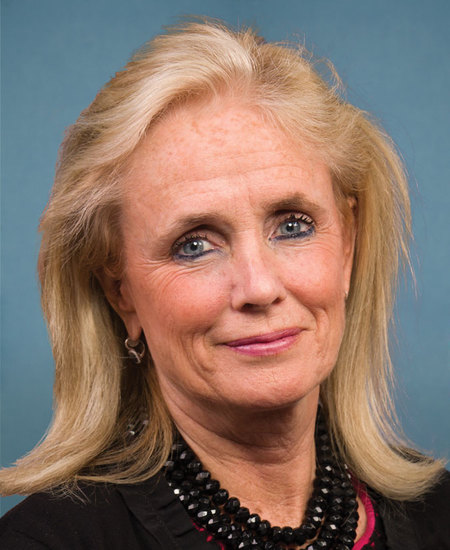
Rep. Debbie Dingell
Sponsored bills
Maddy summaryHR 7106, the Enhancing Skilled Nursing Facilities Act, modifies Medicare and Medicaid rules to expand which healthcare providers can deliver services in skilled nursing facilities (SNFs) without direct physician supervision. The bill updates existing law to allow nurse practitioners, physician assistants, and clinical nurse specialists (working under state law) to perform roles previously restricted to physicians, such as certifying care, supervising residents, and maintaining clinical records. This directly affects SNFs, Medicaid/Medicare providers, and state licensing authorities, as it changes certification and supervision requirements for facility services. The key mechanism is replacing "physician" with broader provider categories in multiple sections of the Social Security Act, while requiring compliance with state practice laws.
Maddy summaryHR 7101, the "No Delay in Representation Act," requires the House of Representatives to seat members elected in special elections within five legislative days of certification of results. It mandates that newly elected members be sworn in and seated as House Members by this deadline, overriding any existing rules or laws that might delay the process. If a member declines the oath during this period, the Speaker must administer it on a mutually agreed date. This bill directly affects individuals elected to fill House vacancies through special elections, ensuring faster integration into the legislative body.
Maddy summaryHR 7100 establishes a Department of Justice Task Force on Anti-Sikh Hate and Discrimination to address systemic bias against Sikhs. The Task Force must draft a formal definition of anti-Sikh hate for DOJ use, develop educational programs for law enforcement and schools, and produce annual reports on hate crimes and trends. It requires quarterly collaboration with Sikh organizations and translation of materials into Punjabi. The bill directly affects Sikhs in the U.S. (who face disproportionate targeting as noted in FBI data) and mandates federal agencies to improve hate crime data collection and response. This is a policy-focused measure to standardize definitions, enhance reporting, and support community safety through DOJ action.
Maddy summaryHRES 996 is a resolution introduced by multiple House members to impeach Kristi Lynn Arnold Noem, the Secretary of Homeland Security, for alleged violations of law and the Constitution. It outlines three articles of impeachment: obstructing congressional oversight by denying access to detention facilities and withholding funds, violating public trust through warrantless arrests and excessive force (including tear gas on children), and self-dealing by awarding federal contracts to associates without competitive bidding. If approved by the House, this resolution would formally charge Noem, triggering a Senate trial to determine her removal from office. The resolution itself does not enact new policy but initiates the constitutional impeachment process against a sitting Cabinet official.
Maddy summaryThis bill modifies federal sentencing for young people under 18 who were previously trafficked, abused, or assaulted before committing violent crimes. It allows judges to sentence below mandatory minimums and suspend parts of a sentence to account for the trauma the offender experienced. The law specifically applies to those convicted of violent offenses after the bill's enactment, provided the court finds clear evidence they were victimized under specific federal trafficking or abuse laws within the prior year. It directly affects minors with documented histories of victimization who commit violent acts, giving judges discretion to consider their trauma during sentencing.
Maddy summaryThe REAADI for Disasters Act aims to improve inclusion of individuals with disabilities and older adults in all phases of disaster management. It requires accessible communication (including American Sign Language, captions, and plain language), accessible shelters, and ensures these individuals are included in planning and decision-making processes. The bill establishes a Disaster Human Services Emergency Fund to rapidly respond to human services needs during disasters, and creates training centers to provide disability-inclusive emergency management expertise. It mandates compliance with disability laws and requires centers for independent living to be involved in disaster planning and response.
Maddy summaryHRES 995 is a symbolic resolution supporting Korean American Day, commemorating January 13 as the anniversary of the 1903 arrival of the first large wave of Korean immigrants to the U.S. It urges all Americans to recognize Korean Americans' contributions to U.S. society, economy, and U.S.-South Korea relations, honoring their historical journey and ongoing impact. The resolution has no legal effect or policy changes - it serves solely as a formal acknowledgment of cultural heritage.
Maddy summaryHR 6271, the Food Bank Emergency Support Act of 2025, appropriates $462.5 million to prevent cuts to food assistance benefits during funding shortfalls or government shutdowns. The funds are specifically designated under the Food and Nutrition Act of 2008 to maintain existing benefit levels for programs like SNAP (Supplemental Nutrition Assistance Program) and food bank commodity distributions. It ensures these services continue without interruption, including barring furloughs for personnel involved in food distribution during emergencies. The bill directly supports food banks, grocery retailers distributing benefits, and millions of low-income households relying on these services. It takes effect as if enacted on September 30, 2025.
Maddy summaryHR 6088, the *Restoring Food Security for American Families and Farmers Act of 2025*, repeals specific sections (10101-10108) from a prior reconciliation law. This action revives previous provisions related to food security programs that were modified by those repealed sections. The bill directly affects federal food assistance and agricultural support programs by restoring their prior legal framework. It does not create new policies but reverses recent changes to existing food security measures.