

Dismemberment Abortion Ban Act of 2023 This bill restricts the performance of dismemberment abortions. It defines the term dismemberment abortion . Specifically, the bill prohibits a physician from knowingly performing a dismemberment abortion. It provides an exception for a dismemberment abortion that is necessary to save the life of a mother whose life is endangered by a physical disorder, illness, or condition. The bill establishes criminal penalties—a fine, a prison term of up to two years, or both—for a physician who performs a prohibited dismemberment abortion. It also authorizes civil remedies for a woman or parent of a minor who undergoes a dismemberment abortion. A woman who undergoes a dismemberment abortion may not be prosecuted or held civilly liable.
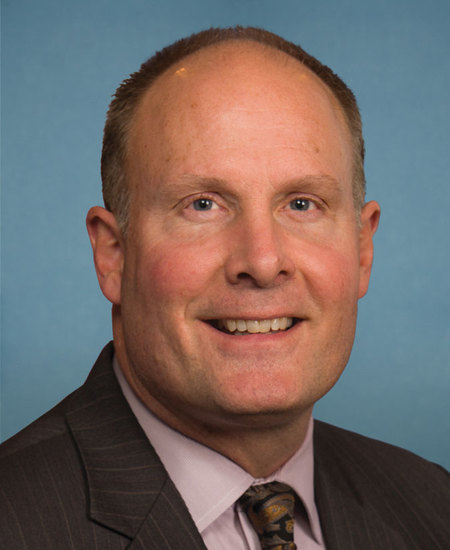
Rep. John R. Moolenaar
Sponsored bills
Maddy summaryHCONRES 13 is a concurrent resolution expressing Congress's support for maintaining the current policy that prohibits imposing new fees on local radio stations for playing music. It states that Congress should not impose any performance fee, tax, royalty, or charge on local radio stations for broadcasting sound recordings over the air, or on businesses like bars and restaurants that play music publicly. The resolution argues that such fees would harm local radio stations - critical sources for emergency information and community programming - and jeopardize the economic model that has supported both radio and the music industry for decades. This resolution does not create new law but formally opposes potential legislative changes to the existing fee structure.
Maddy summaryHRES 95 is a non-binding resolution honoring the 106th anniversary of Selfridge Air National Guard Base in Harrison, Michigan, and recognizing its historical contributions to U.S. military and national security. The resolution commends the base's personnel, reaffirms its importance to national security, and encourages continued cooperation with the Department of Defense. It highlights the base's role since 1917, including its connection to the Tuskegee Airmen and post-9/11 security operations, but does not create new policies or funding. As a commemorative resolution, it has no legal effect and focuses solely on acknowledging the base's service.
Maddy summaryHR 794, the Ending Mandates on Head Start Educators Act, would remove a federal requirement that Head Start programs mandate vaccines or masks for educators to prevent COVID-19 spread. The bill specifically prohibits the Department of Health and Human Services from enforcing or creating similar rules, such as the 2021 rule published in the Federal Register. This directly affects Head Start educators and the early childhood programs serving low-income children and families. The policy change shifts health protocol decisions from federal mandates to individual program policies.
Repealing Illegal Freedom and Liberty Excises Act or the RIFLE Act This bill repeals the excise tax on the transfer of firearms. The bill shall not be construed as placing any regulated firearms under the jurisdiction of the U.S. Consumer Product Safety Commission.
Prohibition of Agricultural Land for the People's Republic of China Act This bill requires the President to prohibit nonresident aliens, foreign businesses, and agents associated with China's government from (1) purchasing agricultural (including ranching) real estate located in the United States, or (2) participating in Department of Agriculture programs that are unrelated to food and safety regulatory requirements.
Maddy summaryHR 139, the SHOW UP Act of 2023, requires U.S. federal executive agencies to revert to their pre-pandemic telework policies and levels by January 30, 2024 (30 days after enactment). Agencies must conduct a study on pandemic-era telework impacts - including effects on mission performance, costs from underused offices or incorrect pay classifications, and employee productivity - and submit a new plan to Congress if they seek to expand telework beyond 2019 levels. This plan requires certification from the Office of Personnel Management (OPM) Director confirming it will improve mission performance, reduce real property costs, lower locality pay expenses, and ensure secure remote work tools without increasing overall costs. The bill directly affects all federal executive agencies and their telework policies, mandating a return to pre-2020 practices while creating a formal process for any future telework expansion.
Maddy summaryHR 735 (Susan Muffley Act of 2023) requires the Pension Benefit Guaranty Corporation (PBGC) to recalculate and increase monthly pension benefits for participants and beneficiaries in six specific Delphi-related pension plans to their full vested amount. This includes making lump-sum payments for past underpayments, plus 6% annual interest on amounts owed since prior benefit calculations. The bill directly affects eligible retirees and beneficiaries in the Delphi Hourly-Rate Employees Pension Plan, Delphi Retirement Program for Salaried Employees, and four other Delphi pension plans. It does not change existing asset allocations but ensures payments reflect the full pension amount guaranteed under ERISA without prior phase-in limits.
Maddy summaryThis bill helps new car dealers affected by pandemic-era supply chain disruptions by changing tax rules for inventory sales. It allows dealers using LIFO accounting to treat certain sales of unsold vehicles (liquidations) between March 2020 and December 2021 as "qualified" for tax purposes. Dealers can defer recognizing income from these sales and have until 2026 to replace the sold vehicles before potential tax adjustments apply. The provision specifically targets dealers who couldn't replenish inventory during the supply chain crisis.
Maddy summaryHR 646, the SHORT Act, clarifies firearm definitions under federal law to exclude antique firearms and certain collector items from the "firearm" category. It removes restrictions on short-barreled rifles and shotguns used lawfully by eliminating specific prohibitions in federal law and preempts state laws imposing taxes or registration requirements on these weapons. The bill also mandates the destruction of federal records related to short-barreled rifles, shotguns, and other weapons defined under the National Firearms Act within 365 days of enactment. This directly affects owners of these specific firearms, particularly collectors and individuals possessing short-barreled weapons legally under federal law. The key mechanisms include revised definitions, federal preemption of state regulations, and record destruction requirements.